Picture this: You’re standing in the baby store, overwhelmed by endless rows of disposable diapers, calculating the staggering cost of $3,000+ you’ll spend over the next few years. Then you remember hearing about reusable diapers from a friend who swears by them. Could switching to cloth diapers really save money while being better for your baby and the planet? The question “which reusable baby diapers are the best” has become increasingly important for eco-conscious parents in 2025, and the answer might surprise you with how much the cloth diaper industry has evolved.
Gone are the days of safety pins and rubber pants. Today’s reusable diapers are sophisticated, convenient, and surprisingly effective. With advances in fabric technology, innovative designs, and user-friendly features, modern cloth diapers rival disposables in performance while offering significant long-term benefits. Whether you’re motivated by cost savings, environmental concerns, or your baby’s sensitive skin, choosing the right reusable diaper system can transform your parenting experience.
Key Takeaways
• Modern cloth diapers can save families $2,000-$3,000 compared to disposables over a child’s diaper-wearing years • All-in-one (AIO) and pocket diapers offer the best convenience for beginners, while prefolds and covers provide maximum cost savings • Top-rated brands like Esembly, GroVia, and BumGenius consistently rank highest for performance, durability, and customer satisfaction • Proper fit and absorbency matching your baby’s needs are more important than brand name when selecting reusable diapers • Starting with a small stash of 2-3 different brands helps identify what works best before making a larger investment
Understanding the Reusable Diaper Landscape in 2025
The world of cloth diapers has undergone a remarkable transformation. What once required extensive preparation and maintenance has evolved into systems that are nearly as convenient as disposables. Modern parents have access to innovative materials like bamboo viscose, hemp blends, and advanced synthetic fabrics that offer superior absorption and quick-drying properties.
The reusable diaper market has grown exponentially, with new brands emerging regularly while established companies continue refining their products. This growth has created both opportunities and challenges for parents trying to navigate the options. Understanding the different types of cloth diapers available is crucial for making an informed decision about which reusable baby diapers are the best for your family.
Types of Reusable Diapers Explained
All-in-One (AIO) Diapers 🌟 All-in-one diapers are the closest thing to disposables in terms of convenience. Everything is sewn together – the waterproof outer layer, absorbent core, and soft inner lining. Simply put it on your baby like a disposable and toss the whole thing in the diaper pail when soiled.
Pros:
- Easiest for caregivers and daycare providers
- No stuffing or assembly required
- Most similar to disposable experience
Cons:
- Longest drying time
- Higher upfront cost per diaper
- Less customizable absorbency
Pocket Diapers 💰 Pocket diapers feature a waterproof outer shell with a pocket opening where you insert absorbent inserts. This design allows for customizable absorbency while maintaining relative simplicity.
Pros:
- Fast drying (shell and inserts dry separately)
- Customizable absorbency
- Trim fit under clothing
- Good value for money
Cons:
- Requires stuffing inserts before use
- Need to remove inserts after use (though many fall out in wash)
Prefolds and Covers
�
� The most traditional and economical option, prefolds are rectangular cloth pieces that fold around baby and are secured with snaps or Velcro covers. This system offers maximum flexibility and longevity.
Pros:
- Most economical option
- Extremely durable
- Versatile (can be used as burp cloths, cleaning rags later)
- Fast drying
Cons:
- Steeper learning curve
- More time-consuming to put on
- Bulkier fit
Fitted Diapers with Covers Fitted diapers are shaped like disposables but made entirely of absorbent material. They require a separate waterproof cover but offer excellent absorption for heavy wetters.
Which Reusable Baby Diapers Are The Best: Top Brand Analysis
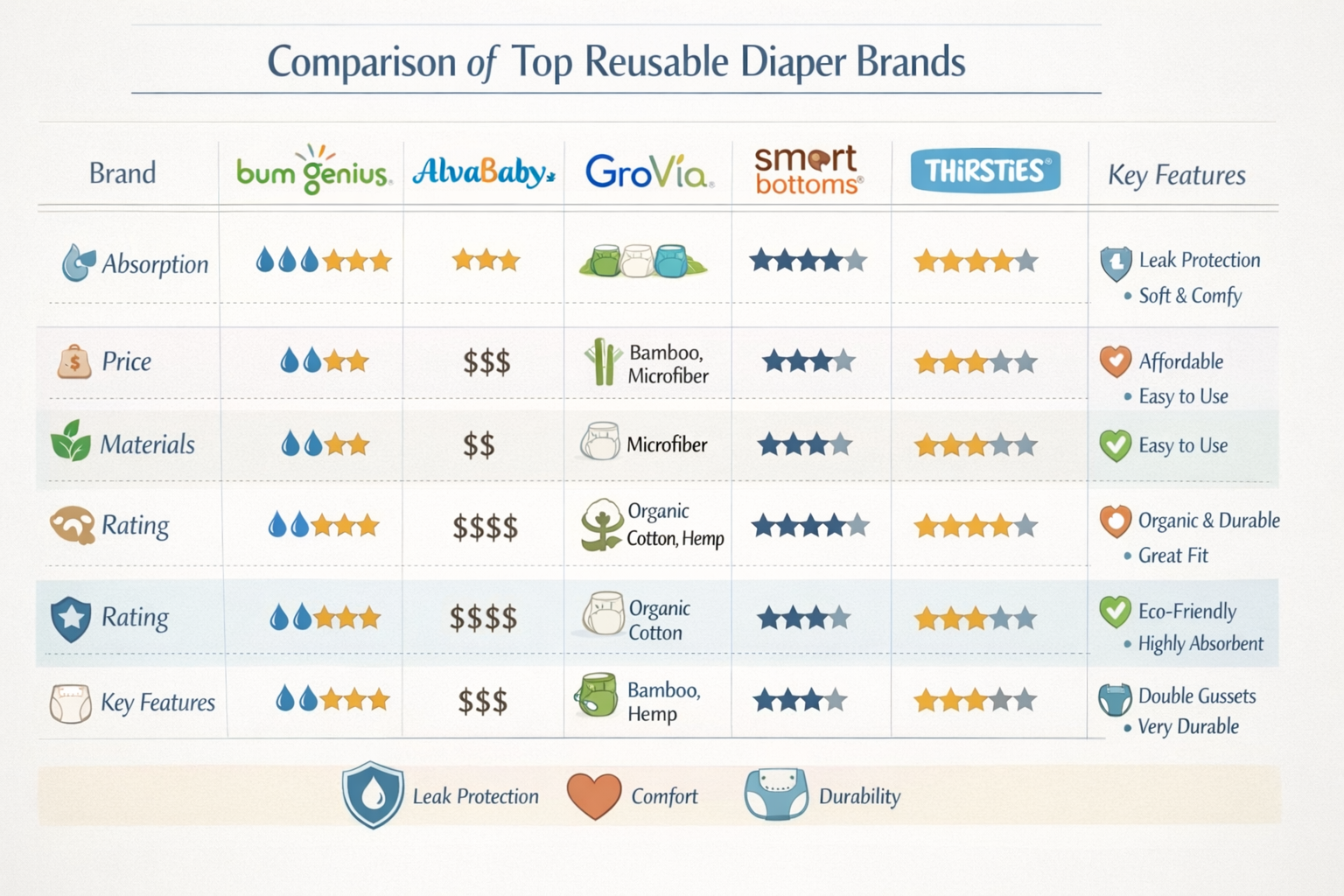
After extensive research, parent feedback, and expert analysis, several brands consistently rise to the top when parents ask which reusable baby diapers are the best. Here’s our comprehensive breakdown of the leading contenders in 2025.
Premium Tier: Esembly
**Overall Rating:
⭐
⭐
⭐
⭐
⭐ (4.8/5)**
Esembly has revolutionized the cloth diaper industry with their innovative two-piece system that combines the simplicity of disposables with the benefits of cloth. Their comprehensive approach to reusable diapers has earned them a devoted following among parents who prioritize both performance and sustainability.
Key Features:– Outer diaper: Waterproof, breathable shell with easy-snap closure
- Inner diaper: Ultra-absorbent core that snaps into the outer
- Premium materials: Organic cotton and innovative synthetic blends
- Excellent customer service: Comprehensive support and guidance
Why Parents Love Esembly: Sarah, a mother of two from Portland, shares: “I was skeptical about cloth diapers until I tried Esembly. The system is so intuitive that my husband actually prefers them to disposables now. We’ve had zero leaks during the day, and the overnight performance is impressive.”
Investment Consideration: While Esembly represents a higher upfront investment, the long-term value and performance make them a worthwhile choice for families committed to cloth diapering.
Mid-Range Champions: GroVia and BumGenius
**GroVia Hybrid System:
⭐
⭐
⭐
⭐
⭐ (4.6/5)**
GroVia offers incredible versatility with their hybrid system that accommodates both reusable and biodegradable disposable inserts. This flexibility makes them ideal for families transitioning to cloth or dealing with varying care situations.
Standout Features:
- Hybrid compatibility (cloth or disposable inserts)
- Excellent fit across wide weight range
- Durable construction with 3-year warranty
- Made in USA with ethical manufacturing
**BumGenius Freetime:
⭐
⭐
⭐
⭐ (4.4/5)**
BumGenius has been a cloth diaper staple for over a decade, and their Freetime all-in-one continues to be a parent favorite for its reliability and ease of use.
Notable Qualities:
- Snap-in insert system prevents bunching
- Trim fit that works well under clothes
- Wide range of fun colors and prints
- Proven track record for durability
Budget-Friendly Options: Alva Baby and Mama Koala
For families wondering which reusable baby diapers are the best value, these brands offer impressive performance at accessible price points.
**Alva Baby:
⭐
⭐
⭐
⭐ (4.2/5)**
- Pocket diaper system with microfiber and bamboo inserts
- Excellent for building a large stash affordably
- Good absorption for daytime use
- Wide variety of cute prints
**Mama Koala:
⭐
⭐
⭐
⭐ (4.3/5)**
- Charcoal bamboo inserts for natural odor control
- Double gussets for leak protection
- Soft, stay-dry inner lining
- Great starter option for new cloth diaper families
Essential Factors When Choosing Reusable Diapers
Absorption Needs Assessment
Understanding your baby’s unique needs is crucial for determining which reusable baby diapers are the best fit. Every baby has different wetting patterns, and what works perfectly for one child might not suit another.
Heavy Wetters: Look for diapers with:
- Hemp or bamboo blend inserts
- Multiple absorption layers
- Fitted diaper + cover combinations
- Overnight-specific boosters
Average Wetters: Consider:
- Standard microfiber or cotton inserts
- All-in-one or pocket systems
- Moderate absorption without bulk
Light Wetters: Options include:
- Thinner profile diapers
- Single-layer inserts
- Trim-fitting pocket diapers
Sizing and Fit Considerations
Proper fit prevents leaks and ensures comfort. Most cloth diapers use one-size systems with adjustable snaps, but understanding how different brands fit is essential.
Key Fit Factors:– Rise snaps: Adjust length for baby’s torso
- Waist snaps: Control tightness around waist
- Leg gussets: Prevent side leaks
- Weight ranges: Vary significantly between brands
“The best diaper is the one that fits your baby properly. I learned this the hard way after buying 20 diapers that were too big for my petite daughter.” – Jennifer, mother of three
Material Quality and Safety
Modern reusable diapers utilize various materials, each with distinct advantages:
Natural Fibers:– Organic cotton: Soft, breathable, naturally absorbent
- Bamboo: Naturally antimicrobial, highly absorbent
- Hemp: Extremely durable, increases absorption over time
Synthetic Materials:– Microfiber: Quick-absorbing, fast-drying
- Athletic wicking jersey: Keeps baby feeling dry
- PUL (polyurethane laminate): Waterproof, breathable outer layer
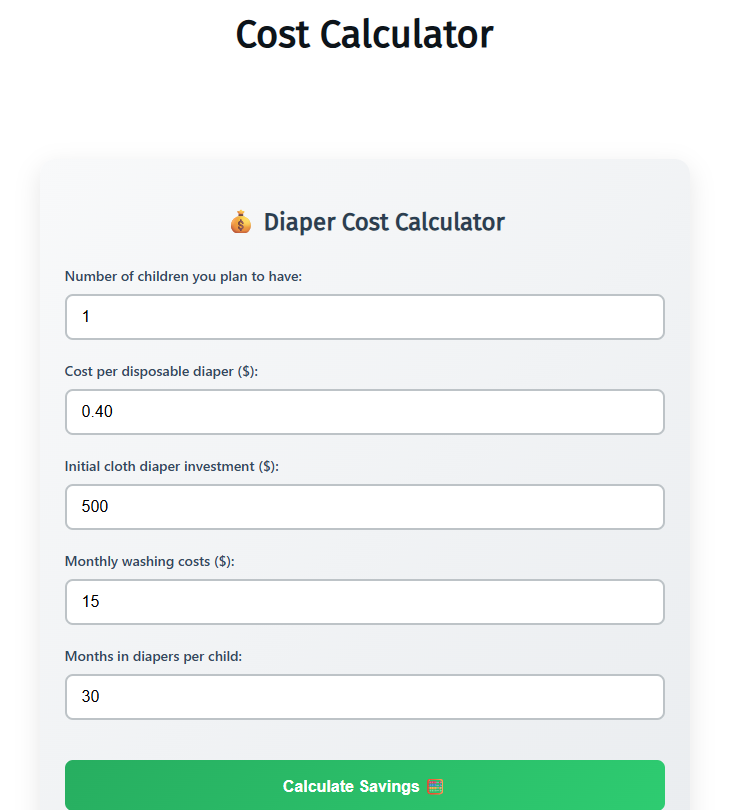
Cost Analysis: Investment vs. Savings
When evaluating which reusable baby diapers are the best financial choice, consider both upfront costs and long-term savings:
Practical Implementation: Getting Started with Cloth Diapers
Building Your Initial Stash
Starting your cloth diaper journey doesn’t require a massive upfront investment. Many successful cloth diaper families begin with a small trial stash to determine preferences before committing to a full collection.
Recommended Starter Stash (20-24 diapers):
- 6-8 pocket diapers from 2 different brands
- 4-6 all-in-ones for convenience
- 6-8 prefolds with 3-4 covers (budget option)
- Extra inserts for heavy wetters or overnight
Testing Strategy: Try 2-3 different brands initially to compare:
- Fit on your baby’s unique body shape
- Absorption performance throughout the day
- Ease of use for all caregivers
- Durability after multiple washes
Washing and Care Routines
Proper care ensures your reusable diapers maintain performance and last through multiple children. The key is developing a routine that works with your lifestyle.
**Basic Washing Routine:**1. Pre-rinse: Cold water to remove waste 2. Main wash: Hot water with cloth diaper-safe detergent 3. Extra rinse: Ensure all soap residue is removed 4. Dry: Line dry or low heat tumble dry
Troubleshooting Common Issues: If you experience problems like compression leaks or ammonia smells, adjusting your wash routine often resolves these issues quickly.
Daycare and Caregiver Considerations
Successfully using cloth diapers requires buy-in from all caregivers. Communication and preparation are essential for smooth transitions.
Daycare Tips:
- Provide pre-stuffed pocket diapers or all-in-ones
- Include clear instructions with pictures
- Supply wet bags for soiled diapers
- Consider hybrid systems for flexibility
Partner and Family Education:
- Demonstrate proper fitting techniques
- Explain the system you’ve chosen and why
- Start gradually to build confidence
- Address concerns with patience and facts
Addressing Common Concerns and Misconceptions
“Cloth Diapers Cause More Diaper Rash”
This persistent myth often prevents parents from considering reusable options. In reality, cloth diapers can actually reduce diaper rash when used properly. The breathable natural fibers and absence of chemicals found in disposables often benefit sensitive skin.
Preventing Diaper Rash with Cloth:
- Change diapers promptly (same as disposables)
- Use cloth-safe creams or liners
- Ensure proper washing to remove all residues
- Choose natural fiber options for sensitive babies
Understanding cloth diaper rash causes and solutions helps parents make informed decisions and troubleshoot any issues that arise.
“They’re Too Much Work”
Modern cloth diapers require minimal additional effort compared to disposables. The primary difference is washing instead of disposing, which many families find manageable with proper systems in place.
Time Investment Reality:– Daily: Same changing time as disposables
- Every 2-3 days: 5 minutes to start wash cycle
- Weekly: 10 minutes to stuff pocket diapers (if chosen)
“Nighttime Performance Issues”
Nighttime leaks concern many parents, but proper setup eliminates most issues. The key is understanding absorption needs and adjusting accordingly.
Overnight Success Strategies:
- Add hemp or bamboo boosters
- Use fitted diapers with covers
- Ensure proper fit without compression
- Consider size up for overnight comfort
Special Considerations for Different Life Stages
Newborn Stage (0-3 months)
Newborns present unique challenges for cloth diapering, but many families successfully navigate this period with the right approach.
Newborn-Specific Considerations:– Frequent changes: 10-12 diapers daily initially
- Meconium: May stain but doesn’t affect function
- Umbilical cord: Look for snap-down fronts or fold prefolds
- Size considerations: Many one-size diapers start at 8-10 pounds
Newborn-Friendly Options:
- Newborn-specific sizes from brands like Esembly
- Prefolds and covers for best fit
- All-in-ones for convenience during adjustment period
Toddler and Potty Training Phase
As children grow, their diaper needs change significantly. Toddlers typically wet less frequently but in larger volumes, requiring different absorption strategies.
Toddler Adaptations:– Increased absorption: Hemp and bamboo inserts
- Longer wear times: More robust waterproofing needed
- Active lifestyle: Secure fit for crawling and walking
- Potty training: Easy-remove options encourage independence
Multiple Children Considerations
One of the greatest advantages of cloth diapers becomes apparent with subsequent children. A well-maintained stash easily serves multiple children, dramatically increasing savings.
Multi-Child Strategy:– Invest in quality: Higher upfront cost pays off with durability
- Maintain properly: Good care ensures longevity
- Consider sizing: Some brands fit differently as they age
- Plan for overlap: Two in diapers requires larger stash
Environmental and Health Benefits Beyond Cost
Environmental Impact
The environmental benefits of choosing reusable diapers extend far beyond individual families. Understanding these impacts helps parents make informed decisions aligned with their values.
Waste Reduction:– Disposable impact: 20 billion diapers enter landfills annually in the US
- Decomposition time: 250-500 years for disposables to break down
- Cloth alternative: Significant waste reduction over diaper-wearing years
Resource Conservation:– Water usage: While cloth diapers require washing, total water usage is comparable to disposable manufacturing
- Chemical reduction: Fewer harsh chemicals in manufacturing and disposal
- Renewable materials: Natural fibers are renewable resources
Health Considerations
Many parents choose cloth diapers for health reasons, particularly for babies with sensitive skin or chemical sensitivities.
Chemical Exposure Reduction:– Fewer additives: Natural fibers contain fewer processing chemicals
- Breathability: Better air circulation reduces moisture buildup
- Customization: Parents control all products used in care routine
Making the Final Decision: Which Reusable Baby Diapers Are The Best for You

- 100% Cotton
- Made in the USA or Imported
- COMFORTABLE: Made from 100% cotton for a soft, gentle feel on sensitive baby skin. Free from any plastics or dyes that m…

- SLIM FIT AND ANTI LEAK – Perfect fit with crossover snaps and hip snaps to avoid wing droop and keep the baby cloth diap…
- GROWS WITH YOUR CHILD – One size adjustable cloth diaper covers (8-40lbs) with 3×4 rise snaps, perfect fit for newborn i…
- ULTIMATE ABSORBENCY – Including six adjustbale 4-layer natural blend polyester cloth diaper inserts. Blowout free days a…

- 100% Cotton
- 💎ESSENTIAL ITEM- Our multi-functional muslin burp cloth, measuring 20×10 inches, is perfect for all your needs. Made of …
- 💎ULTRA ABSORBENT- These washcloths are perfect for catching spills and drools, thanks to the ultra-absorbent 100% cotton…
After examining all factors, the answer to “which reusable baby diapers are the best” ultimately depends on your family’s specific needs, preferences, and circumstances. However, some clear patterns emerge from parent experiences and expert analysis.
For Maximum Convenience: Esembly or BumGenius Freetime
If ease of use is your primary concern, these all-in-one options provide the closest experience to disposables while delivering excellent performance.
For Best Value: Alva Baby or Mama Koala
Budget-conscious families can build substantial stashes with these brands without sacrificing quality or performance.
For Customization: GroVia Hybrid System
Families wanting maximum flexibility benefit from systems that accommodate both cloth and disposable inserts.
For Traditional Approach: Green Mountain Diapers Prefolds
Families committed to the most economical and environmentally friendly option find prefolds and covers unbeatable.
For Heavy Wetters: Hemp and Bamboo Options
Regardless of brand, natural fiber inserts provide superior absorption for babies with heavy wetting patterns.
Essential Accessories and Support Items
Success with cloth diapers often depends on having the right supporting products and accessories.
Storage and Transport Solutions
Diaper Bags: Choosing the right diaper bag becomes even more important with cloth diapers. Look for bags with:
- Separate wet and dry compartments
- Easy-clean interior surfaces
- Adequate space for bulkier cloth diapers
- Multiple pockets for organization
Wet Bags: Essential for storing soiled diapers until wash day
- Small wet bags: For outings and daycare
- Large wet bags: For home diaper pail liners
- Travel wet bags: Separate clean and dirty during trips
Washing Accessories
Cloth Diaper Detergent: Not all detergents work well with cloth diapers
- Recommended brands: Tide, Persil, Country Save
- Avoid: Fabric softeners, optical brighteners
- Amount: Use full recommended amount, not “eco” portions
Diaper Sprayer: Helpful for solid waste removal
- Installation: Attaches to toilet water supply
- Usage: Spray solids into toilet before washing
- Alternatives: Diaper liners, dunk and swish method
Troubleshooting Common Issues
Even with the best reusable diapers, families occasionally encounter challenges. Understanding common issues and solutions prevents frustration and ensures long-term success.
Fit and Leak Prevention
Rise Adjustment: Too high or low rise settings cause leaks
- Too high: Creates gaps around legs
- Too low: Doesn’t contain waste properly
- Solution: Adjust gradually and test fit
Waist Tightness: Balance comfort and security
- Too tight: Causes red marks and compression leaks
- Too loose: Allows waste to escape
- Check: Two-finger rule for proper fit
Absorption Issues
Insufficient Absorption: Leaks despite proper fit
- Solutions: Add boosters, try different insert materials
- Timing: Change more frequently initially
- Assessment: Track patterns to identify needs
Compression Leaks: Absorption capacity exists but leaks occur
- Cause: Pressure pushes liquid past barriers
- Solution: Looser fit, different insert configuration
- Prevention: Proper rise and waist adjustment
Building Your Cloth Diaper Community
Success with cloth diapers often improves with community support and shared experiences. Connecting with other cloth diaper families provides valuable insights and encouragement.
Online Resources
Social Media Groups: Facebook and Reddit communities offer real-time support
- Brand-specific groups: Detailed guidance for specific products
- General cloth diaper groups: Broad community support
- Local groups: Area-specific resources and swap opportunities
Educational Websites: Comprehensive guides and troubleshooting resources
- Manufacturer websites: Product-specific information and support
- Independent blogs: Unbiased reviews and comparisons
- Expert resources: Professional guidance and comprehensive information
Local Support Networks
Diaper Services: Some areas offer cloth diaper cleaning services
- Convenience: Professional washing and delivery
- Cost: Compare to home washing expenses
- Availability: Limited to certain geographic areas
Retail Stores: Hands-on experience with products
- Try before buying: Feel materials and test fit
- Expert guidance: Staff knowledge and recommendations
- Return policies: Important for finding right fit
Future-Proofing Your Investment
When selecting reusable diapers, consider factors that ensure your investment remains valuable throughout your cloth diaper journey.
Durability and Longevity
Quality Indicators:– Stitching: Reinforced stress points and quality seams
- Materials: High-grade fabrics that maintain integrity
- Hardware: Durable snaps and elastic that retain function
- Warranty: Manufacturer confidence in product longevity
Maintenance Practices:– Proper washing: Follow manufacturer guidelines precisely
- Appropriate drying: Balance convenience with fabric care
- Storage: Protect diapers between uses and children
- Repairs: Address minor issues before they become major problems
Resale Value Considerations
Quality cloth diapers maintain significant resale value, further improving the economic benefits.
Factors Affecting Resale Value:– Brand reputation: Well-known brands retain value better
- Condition: Proper care maintains appearance and function
- Completeness: Full systems with all components
- Market demand: Popular styles and limited editions
Selling Strategies:– Online marketplaces: Facebook groups, eBay, Mercari
- Local options: Consignment stores, parent groups
- Timing: Seasonal considerations and local demand
- Presentation: Clean, organized, and complete sets
Conclusion
Determining which reusable baby diapers are the best for your family requires careful consideration of multiple factors including budget, lifestyle, baby’s needs, and personal preferences. The modern cloth diaper market offers excellent options across all price points and convenience levels, making it easier than ever for families to make the switch from disposables.
The evidence clearly supports the benefits of reusable diapers: significant cost savings, reduced environmental impact, and often better outcomes for babies with sensitive skin. Whether you choose premium brands like Esembly for maximum convenience, budget-friendly options like Alva Baby for value, or traditional prefolds for ultimate economy, success depends more on proper fit, consistent care routines, and realistic expectations than on any specific brand.
**Your Next Steps:**1. Assess your priorities: Rank convenience, cost, environmental impact, and performance based on your family’s needs 2. Start small: Purchase 2-3 different types/brands to test before committing to a full stash 3. Connect with community: Join online groups or local cloth diaper communities for support and advice 4. Plan your routine: Establish washing and care practices that work with your lifestyle 5. Stay flexible: Be prepared to adjust your approach as you learn what works best for your baby
Remember that cloth diapering is a journey, not a destination. Most families experience a learning curve initially, but the long-term benefits make the effort worthwhile. With proper planning, realistic expectations, and quality products, cloth diapers can provide excellent performance while supporting your family’s financial and environmental goals.
The question isn’t really which reusable baby diapers are the best in absolute terms, but rather which ones are the best fit for your unique situation. By understanding the options available, considering your specific needs, and starting with a small trial, you’ll discover the perfect cloth diaper solution for your family’s journey.