Comprehensive reusable diaper reviews comparing top brands, costs, and performance. Expert analysis helps parents choose the best cloth diapers for their family’s needs.
Picture this: a new parent standing in the diaper aisle, overwhelmed by endless options and mounting concerns about both their baby’s comfort and the environment. With disposable diapers taking up to 500 years to decompose and the average baby using over 6,000 diapers before potty training, it’s no wonder that more families are turning to sustainable alternatives. Reusable diaper reviews have become essential reading for eco-conscious parents seeking the perfect balance of performance, comfort, and environmental responsibility. 🌱
The cloth diaper revolution isn’t just about going green—it’s about making smart financial decisions while ensuring your little one stays comfortable and dry. Modern reusable diapers have come a long way from the safety pins and plastic pants of previous generations, offering innovative designs that rival disposables in convenience and surpass them in sustainability.
Key Takeaways
• Modern cloth diapers can save families $2,000-$3,000 compared to disposables over the diapering years
• Top-rated reusable diaper brands offer leak protection that matches or exceeds disposable performance
• Proper fit and absorbency selection are crucial factors that determine success with cloth diapers
• Washing routines and maintenance significantly impact the longevity and effectiveness of reusable diapers
• Different diaper types (all-in-ones, pockets, prefolds) serve different lifestyle needs and budgets
Understanding the Reusable Diaper Landscape
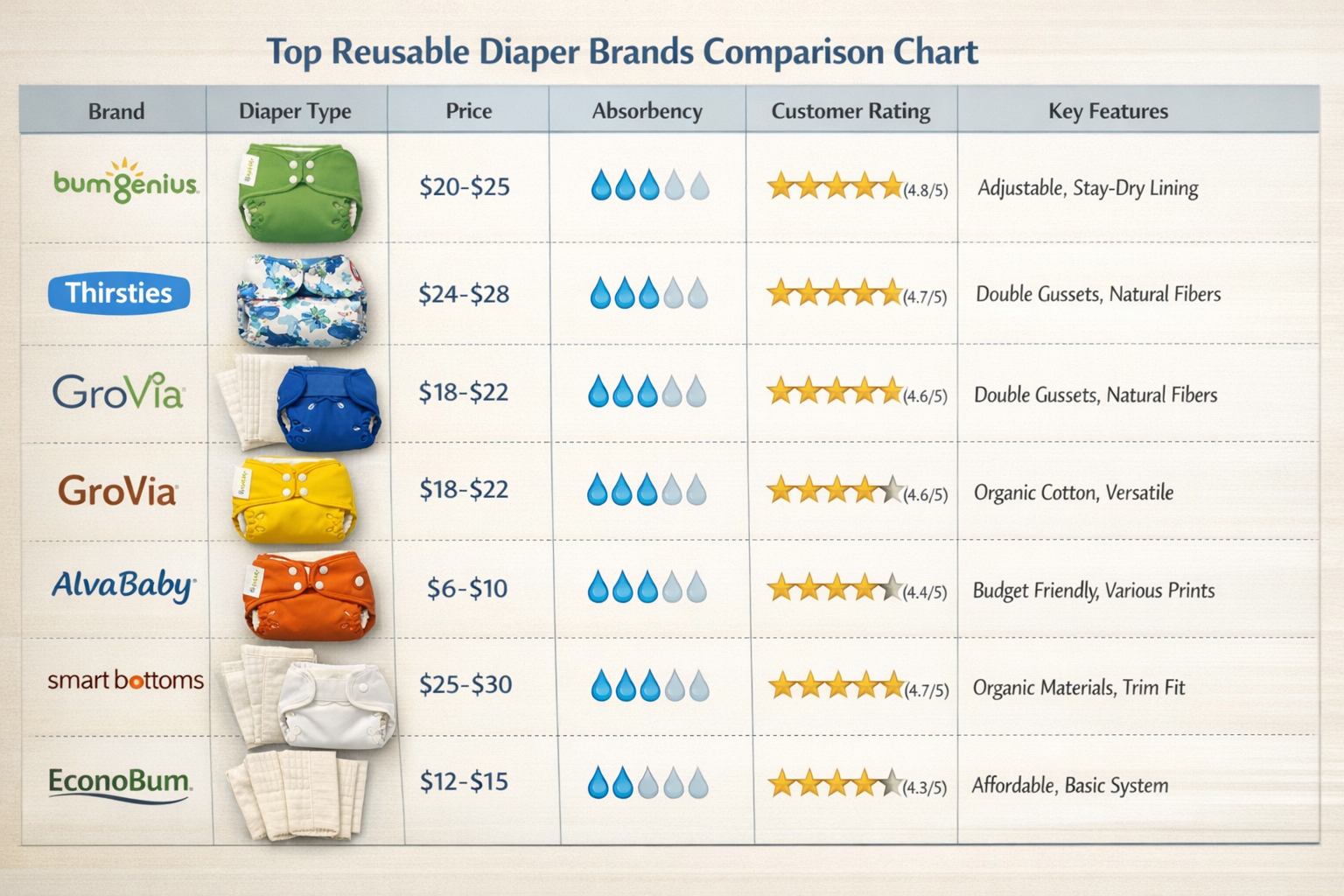
The world of cloth diapers can feel overwhelming for newcomers, but understanding the basic categories helps narrow down choices significantly. Today’s reusable diapers fall into several main types, each with distinct advantages and considerations.
All-in-One (AIO) Diapers represent the closest thing to disposable convenience in the cloth world. These diapers combine the absorbent layer and waterproof cover into one piece, making them incredibly user-friendly for caregivers and daycare providers. However, they typically take longer to dry and cost more upfront.
Pocket Diapers feature a waterproof shell with an opening where absorbent inserts slide in. This design allows for customizable absorbency and faster drying times. Parents can adjust the number of inserts based on their baby’s needs, making them versatile for different ages and situations.
Prefolds and Covers offer the most economical option and often provide superior absorbency. While they require a bit more technique to use, many experienced cloth diaper parents swear by their effectiveness and durability. The separate cover system means you can often reuse covers multiple times before washing.
Hybrid Systems attempt to bridge the gap between cloth and disposable by offering reusable covers with either cloth inserts or biodegradable disposable inserts. These systems provide flexibility for families who want to use cloth at home but disposables when out and about.
When evaluating any reusable diaper system, key performance factors include absorbency, leak protection, ease of use, durability, and overall value. The best diaper for one family might not work for another, which is why comprehensive reviews become so valuable in the decision-making process.
For parents just starting their cloth diaper journey, understanding these basic categories helps focus research efforts and budget planning.
Top Reusable Diaper Reviews: Brand-by-Brand Analysis
Premium Performance: Esembly
Esembly has earned a reputation as the “Tesla of cloth diapers” with their sleek design and premium materials. Their two-piece system consists of an outer cover and inner diaper, both crafted from organic cotton with thoughtful design details.
Pros:
- Exceptional build quality and materials
- Minimalist, Instagram-worthy aesthetic
- Excellent customer service and educational resources
- Trim fit that works well under clothing
- Strong resale value
Cons:
- Premium pricing that may not fit all budgets
- Limited absorbency options compared to pocket systems
- Organic cotton can take longer to reach full absorbency
Parents consistently praise Esembly’s attention to detail and the company’s commitment to education. The brand provides extensive guidance on proper fit, washing routines, and troubleshooting common issues. Many users report that while the initial investment feels steep, the durability and performance justify the cost over time.
For detailed insights into this premium option, check out our comprehensive Esembly review which covers everything from performance testing to long-term value analysis.
Budget-Friendly Champion: Mama Koala
Mama Koala has revolutionized the cloth diaper market by offering pocket diapers at incredibly affordable prices without sacrificing essential features. Their one-size design grows with babies from birth to potty training, making them an attractive option for budget-conscious families.
Pros:
- Unbeatable price point for quality received
- Wide variety of fun prints and colors
- Good absorbency with proper insert selection
- Easy to use pocket design
- Generous sizing accommodates chunky babies well
Cons:
- Build quality doesn’t match premium brands
- Limited customer service and educational resources
- Some quality control inconsistencies in manufacturing
- Elastic may wear out faster than higher-end options
The brand’s success lies in making cloth diapers accessible to families who might otherwise choose disposables purely for financial reasons. While they may not last through multiple children like premium options, they perform admirably for their price point.
Innovative Design: GroVia
GroVia stands out for their hybrid system that offers maximum flexibility. Their snap-in soaker pads and biosoaker disposable options allow families to customize their approach based on circumstances.
Pros:
- Versatile hybrid system accommodates different needs
- Excellent leak protection around legs and waist
- Trim profile works well for active babies
- Option to use disposable inserts when convenient
- Good durability and wash-wear resistance
Cons:
- More expensive than basic pocket diapers
- Disposable insert option reduces environmental benefits
- Learning curve for optimal insert placement
- Limited overnight absorbency without boosters
Many parents appreciate GroVia’s flexibility, especially during the newborn phase when diaper changes are frequent and unpredictable. The ability to switch between cloth and biodegradable disposable inserts provides peace of mind for outings and overnight periods.
For more options and detailed comparisons, explore our ultimate guide to reusable diapers covering multiple brands and systems.
Traditional Excellence: Green Mountain Diapers
Green Mountain Diapers represents the gold standard in traditional cloth diapering with their prefolds and fitted diapers. While they require more technique than modern pocket diapers, they offer unmatched absorbency and durability.
Pros:
- Superior absorbency for heavy wetters
- Exceptional durability lasting through multiple children
- Most economical option for long-term use
- Natural fiber options for sensitive skin
- Excellent for overnight protection
Cons:
- Steeper learning curve for proper folding and fitting
- Requires separate waterproof covers
- Bulkier profile may not work with all clothing
- Less convenient for caregivers unfamiliar with cloth
Experienced cloth diaper users often graduate to Green Mountain Diapers after trying other systems, appreciating the superior performance and value. Their prefolds are particularly popular for newborns and heavy wetters who struggle with other diaper types.
Performance Testing: Real-World Reusable Diaper Reviews
Absorbency and Leak Protection
Real-world testing reveals significant differences between brands in terms of absorbency and leak protection. The most important factors include:
Core Absorbency: How much liquid the diaper can hold before reaching saturation
Distribution: How well moisture spreads throughout the absorbent material
Wicking: How quickly moisture moves away from baby’s skin
Compression Resistance: How well the diaper maintains absorbency under pressure
Independent testing shows that natural fiber diapers (cotton, bamboo, hemp) generally provide better absorbency than synthetic materials, but synthetic fibers often wick moisture more effectively. The best performing diapers combine both fiber types strategically.
Common leak issues often stem from fit problems rather than absorbency failures. Compression leaks occur when diapers are too tight, while gap leaks happen when diapers are too loose or worn out.
Durability and Longevity
Long-term testing reveals which diapers maintain their performance over hundreds of wash cycles. Key durability factors include:
- Elastic retention: How well leg and waist elastics maintain their stretch
- Fabric integrity: Resistance to pilling, thinning, and holes
- Closure systems: Durability of snaps, velcro, or other fastening methods
- Waterproofing: How long PUL (polyurethane laminate) maintains leak protection
Premium brands typically show better durability, but some budget options surprise with their longevity. Proper care and washing techniques significantly impact durability across all price points.
Ease of Use and Convenience
Modern parents need diapers that work well for various caregivers, including daycare providers and grandparents. The most user-friendly features include:
- Intuitive design: Clear indication of front/back and proper placement
- Secure closures: Snaps or velcro that stay fastened during active play
- Trim fit: Profile that doesn’t interfere with clothing or mobility
- Quick changes: Design that facilitates fast, mess-free changes
All-in-one diapers typically score highest for ease of use, while prefolds require the most technique and practice.
Common Issues and Solutions in Reusable Diaper Reviews
Addressing Fit Problems
Proper fit is crucial for cloth diaper success, yet it’s one of the most common challenges new users face. A well-fitting diaper should be snug around the waist and legs without being tight, with no gaps that could allow leaks.
Signs of Poor Fit:
- Red marks that persist after diaper removal
- Frequent leaks despite adequate absorbency
- Diaper sliding down or shifting during wear
- Difficulty fastening closures comfortably
Sizing Solutions:
Most one-size diapers work from about 10-35 pounds, but the fit varies significantly between brands. Some babies need to size up or down from the manufacturer’s recommendations based on their body type. Chunky babies might need larger sizes earlier, while lean babies might swim in the recommended size.
The rise (length from waist to crotch) should be adjusted so the diaper comes up to baby’s natural waist without being too long or short. Leg elastics should lay flat against the skin without gaping or cutting in.
Solving Absorbency Challenges
When diapers leak despite appearing to have adequate absorbency, the issue often lies in absorbency distribution or insert selection rather than total capacity.
Troubleshooting Steps:
- Check insert placement: Inserts should lay flat without bunching or folding
- Evaluate fiber types: Natural fibers absorb more but slower; synthetic fibers absorb quickly but less overall
- Consider layering: Combining different insert types can optimize both speed and capacity
- Assess compression: Tight clothing or car seats can compress diapers and reduce effective absorbency
For persistent overnight leaking issues, our guide on why cloth diapers leak at night provides detailed solutions and product recommendations.

- 100% Cotton
- Made in the USA or Imported
- COMFORTABLE: Made from 100% cotton for a soft, gentle feel on sensitive baby skin. Free from any plastics or dyes that m…

- SLIM FIT AND ANTI LEAK – Perfect fit with crossover snaps and hip snaps to avoid wing droop and keep the baby cloth diap…
- GROWS WITH YOUR CHILD – One size adjustable cloth diaper covers (8-40lbs) with 3×4 rise snaps, perfect fit for newborn i…
- ULTIMATE ABSORBENCY – Including six adjustbale 4-layer natural blend polyester cloth diaper inserts. Blowout free days a…

- 100% Cotton
- 💎ESSENTIAL ITEM- Our multi-functional muslin burp cloth, measuring 20×10 inches, is perfect for all your needs. Made of …
- 💎ULTRA ABSORBENT- These washcloths are perfect for catching spills and drools, thanks to the ultra-absorbent 100% cotton…
Preventing and Treating Diaper Rash
One concern parents often express about cloth diapers is diaper rash. While cloth diapers can actually reduce rash incidence due to their breathability and lack of chemicals, improper care or fit can cause problems.
Prevention Strategies:
- Ensure complete drying between washes to prevent bacterial growth
- Avoid fabric softeners and harsh detergents that can cause skin irritation
- Change diapers promptly, especially after bowel movements
- Allow air-dry time when possible
Treatment Approaches:
When rash does occur, cloth diaper-safe creams and ointments are essential. Many traditional diaper creams contain ingredients that can build up on cloth diapers and reduce absorbency.
For comprehensive information on managing skin issues, read our detailed guide on cloth diaper rash causes and solutions.
Washing and Maintenance Best Practices
Proper washing technique significantly impacts diaper performance and longevity. The goal is to remove all soil and detergent residue while maintaining fabric integrity.
Effective Wash Routine:
- Pre-wash: Quick cycle with small amount of detergent to remove initial soil
- Main wash: Hot water (140°F) with full detergent amount and proper water level
- Extra rinse: Ensures all detergent residue is removed
- Drying: Line dry when possible; low heat machine drying acceptable
Common Washing Mistakes:
- Using too little detergent (doesn’t clean effectively)
- Using too much detergent (causes buildup and reduces absorbency)
- Washing in insufficient water (concentrates soil and detergent)
- Adding fabric softener (coats fibers and reduces absorbency)
For issues with persistent odors, check out our guide on how to get rid of ammonia smell in cloth diapers.
Building Your Cloth Diaper Stash: Practical Recommendations
Determining Stash Size
The number of diapers needed depends on washing frequency, baby’s age, and personal preferences. Most families find success with these general guidelines:
Newborn (0-3 months): 20-24 diapers for every 2-3 days
Infant (3-12 months): 18-20 diapers for every 2-3 days
Toddler (12+ months): 14-16 diapers for every 2-3 days
These numbers assume washing every 2-3 days, which prevents odor buildup and maintains hygiene. Families who prefer daily washing can get by with fewer diapers, while those who wash less frequently need larger stashes.
Budget-Building Strategies
Building a cloth diaper stash doesn’t have to break the bank. Smart shopping strategies can significantly reduce costs:
Gradual Building: Start with a small stash of 6-8 diapers to test fit and performance before investing in a full collection. This approach prevents costly mistakes and allows for adjustments.
Mix and Match: Combine different price points strategically. Use premium diapers for outings and daycare while relying on budget options for home use.
Second-Hand Shopping: Well-maintained used cloth diapers can provide excellent value. Look for diapers with intact elastics and minimal staining or wear.
Sales and Promotions: Many brands offer significant discounts during Black Friday, Earth Day, and other promotional periods. Signing up for newsletters often provides early access to sales.
Essential Accessories
Beyond diapers themselves, several accessories enhance the cloth diapering experience:
Diaper Sprayer: Attaches to toilet for easy solid waste removal
Wet Bags: Waterproof storage for dirty diapers when out and about
Diaper Pail Liner: Makes washing easier and contains odors
Extra Inserts: Allows for customized absorbency and faster turnaround
Cloth-Safe Rash Cream: Prevents buildup that can reduce absorbency
A well-organized diaper bag becomes even more important with cloth diapers, as you’ll need space for both clean and dirty diapers during outings.
Reusable Diaper Reviews: Making the Final Decision
Matching Diapers to Lifestyle
The best cloth diaper system depends heavily on individual family circumstances and priorities:
Busy Families: All-in-one diapers or simple pocket systems work best for families with limited time for diaper prep and folding.
Budget-Conscious Families: Prefolds and covers or budget pocket diapers provide maximum value, especially when planning for multiple children.
Eco-Focused Families: Natural fiber diapers (organic cotton, bamboo, hemp) align with environmental values, though they may require more patience during the initial break-in period.
Daycare Families: Easy-to-use systems that don’t require special techniques work best for caregivers unfamiliar with cloth diapers.
Heavy Wetters: Traditional fitted diapers or pocket diapers with hemp inserts typically provide the best overnight protection.
Trial and Error Approach
Most successful cloth diaper families try several different systems before finding their perfect match. Consider starting with:
- One diaper from 2-3 different brands to test fit and performance
- Different styles (AIO, pocket, fitted) to determine preferences
- Various insert materials to optimize absorbency for your baby’s needs
This approach requires patience and initial investment but prevents the frustration of committing to a system that doesn’t work well for your family.
Long-Term Considerations
When evaluating reusable diaper reviews, consider factors beyond immediate performance:
Durability: Will these diapers last through multiple children?
Resale Value: Some brands maintain strong second-hand markets
Company Ethics: Does the brand align with your values regarding labor practices and environmental responsibility?
Customer Support: How does the company handle defects or fit issues?
Innovation: Does the brand continue improving their products based on user feedback?
The Environmental and Health Impact
Environmental Benefits Quantified
The environmental advantages of cloth diapers extend beyond simply avoiding landfill waste. Comprehensive lifecycle analyses show significant benefits:
Waste Reduction: The average baby uses 6,000-8,000 disposable diapers, creating over 2 tons of landfill waste that takes 250-500 years to decompose.
Resource Conservation: While cloth diapers require water for washing, they use significantly fewer raw materials overall. Disposable diapers require 20 times more raw materials and 2.3 times more water to manufacture.
Chemical Exposure Reduction: Cloth diapers eliminate exposure to dioxins, sodium polyacrylate, and other chemicals found in disposable diapers.
Carbon Footprint: When washed efficiently, cloth diapers generate approximately 40% less carbon emissions than disposables over their lifecycle.
Health Considerations
Many parents choose cloth diapers specifically for health reasons:
Reduced Chemical Exposure: Eliminates contact with bleaches, dyes, fragrances, and absorption chemicals
Better Air Circulation: Natural fibers allow better breathability, reducing moisture buildup
Fewer Allergic Reactions: Eliminates reactions to disposable diaper components
Early Potty Training: Some studies suggest cloth-diapered children potty train earlier due to increased awareness of wetness
However, cloth diapers aren’t automatically healthier—proper washing and maintenance are essential to prevent bacterial growth and skin irritation.
Special Situations and Adaptations
Newborn Considerations
Newborns present unique challenges for cloth diapering:
Meconium Management: The first few days of tar-like stools can stain diapers permanently. Many families use disposables initially or dedicated newborn diapers.
Frequent Changes: Newborns need changes every 1-2 hours, requiring larger stash sizes relative to their tiny size.
Umbilical Cord Care: Diapers should fit below the cord stump to prevent irritation and allow healing.
Size Challenges: Very small babies (under 7 pounds) may not fit one-size diapers properly, requiring newborn-specific options.
Daycare Integration
Successfully using cloth diapers at daycare requires preparation and communication:
Provider Education: Ensure caregivers understand proper fitting and changing procedures
Supply Management: Provide adequate clean diapers and wet bags for storage
Backup Plans: Have disposables available for emergencies or staff shortages
Clear Instructions: Label everything and provide written care instructions
Some daycares refuse cloth diapers, so confirm policies before enrolling.
Travel and Outings
Cloth diapers require more planning for trips and outings:
Packing Strategy: Bring extra diapers and multiple wet bags for different stages of soiling
Washing Arrangements: Plan for washing facilities on extended trips
Backup Supplies: Consider hybrid systems or eco-friendly disposables for convenience
Storage Solutions: Invest in quality wet bags that contain odors effectively
Cost Analysis: Beyond the Initial Investment
Comprehensive Financial Comparison
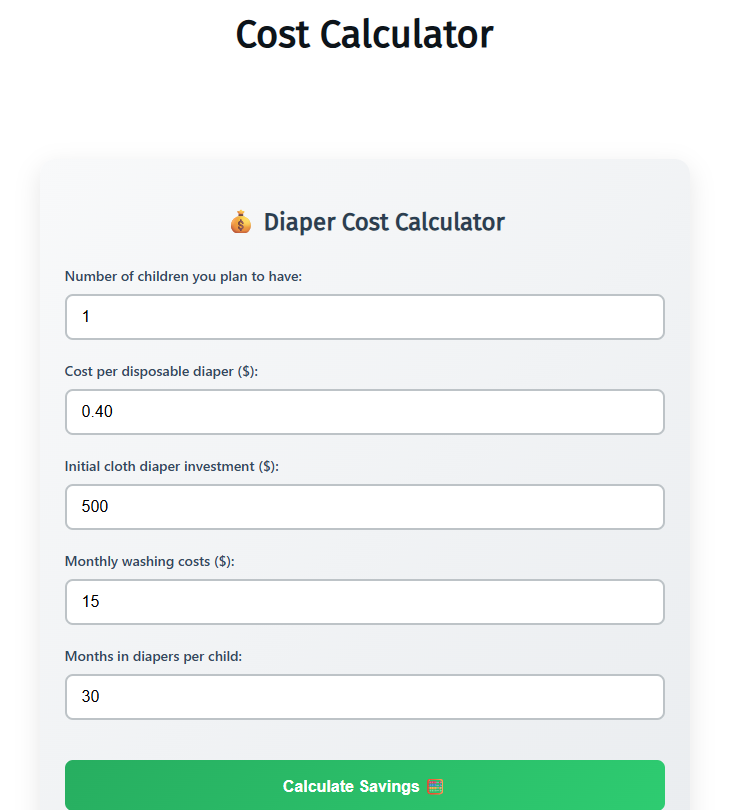
While upfront costs for cloth diapers seem significant, the long-term financial benefits are substantial:
Initial Investment Breakdown:
- Budget system: $200-400
- Mid-range system: $400-800
- Premium system: $800-1,500
Ongoing Costs:
- Washing expenses: $10-25 per month
- Replacement items: $50-100 per year
- Accessories: $100-200 total
Disposable Comparison:
- Monthly cost: $50-100
- Total 2.5 years: $1,500-3,000
- Multiple children: Costs multiply
Break-Even Analysis:
Most families reach break-even between 6-12 months, with all subsequent savings being pure profit. Families planning multiple children see even greater returns on investment.
Hidden Savings
Beyond direct diaper costs, cloth diapers provide additional savings:
Reduced Diaper Rash Treatment: Fewer rashes mean less spending on creams and treatments
Earlier Potty Training: Studies suggest 2-6 month earlier training, eliminating diaper costs sooner
Resale Value: Quality cloth diapers retain 30-60% of original value when resold
Multi-Child Use: Same diapers work for subsequent children with minimal additional investment
Future Trends in Reusable Diaper Technology
Innovation Developments
The cloth diaper industry continues evolving with new technologies and materials:
Advanced Fabrics: New synthetic blends offer improved absorbency and faster drying
Smart Features: Some brands experiment with wetness indicators and temperature monitoring
Sustainable Materials: Increased use of recycled and renewable materials
Improved Closures: Better snap and hook-and-loop systems for durability and ease of use
Market Growth
Growing environmental awareness drives continued market expansion:
Mainstream Adoption: Major retailers increasingly stock cloth diaper options
Corporate Programs: Some employers offer cloth diaper subsidies as environmental benefits
Government Incentives: Various municipalities provide rebates for choosing reusable options
Celebrity Influence: High-profile endorsements increase visibility and acceptance
Troubleshooting Guide: Common Problems and Solutions
Persistent Odor Issues
When diapers develop persistent odors despite regular washing:
Causes:
- Insufficient detergent or water temperature
- Bacterial or yeast buildup in fabrics
- Hard water mineral deposits
- Detergent buildup from overuse
Solutions:
- Strip wash with original Dawn dish soap
- Bleach sanitization (oxygen or chlorine bleach)
- Water softener addition for hard water areas
- Adjustment of detergent amounts and wash routine
Absorbency Loss
When previously effective diapers start leaking:
Diagnosis Steps:
- Check for proper fit and sizing issues
- Evaluate insert condition and placement
- Test absorbency with controlled water tests
- Examine fabric for buildup or damage
Recovery Methods:
- Strip washing to remove buildup
- Insert replacement if materials are compressed
- Sizing adjustments as baby grows
- Routine modifications for better cleaning
Staining and Appearance
While stains don’t affect function, they can be unsightly:
Prevention:
- Prompt rinsing of soiled diapers
- Sun drying for natural bleaching
- Pre-treatment of stubborn stains
- Rotation of diapers to prevent overuse
Treatment:
- Lemon juice and sun combination
- Hydrogen peroxide soaking
- Commercial stain removers (cloth-safe)
- Acceptance that some staining is normal and harmless
Building Community and Support
Finding Local Resources
Cloth diapering success often depends on community support:
Local Groups: Many areas have cloth diaper groups offering advice, sales, and demonstrations
Library Programs: Some libraries host cloth diaper education sessions
Retail Support: Specialty baby stores often provide fitting services and ongoing support
Healthcare Providers: Pediatricians and lactation consultants can offer medical perspectives
Online Communities
Digital communities provide 24/7 support and advice:
Social Media Groups: Facebook groups offer real-time troubleshooting and brand discussions
Forums: Dedicated websites provide searchable archives of solutions
Brand Communities: Many manufacturers maintain user groups for product-specific advice
Review Platforms: Sites aggregating user reviews help inform purchasing decisions
For additional resources and ongoing support, visit our comprehensive blog featuring regular updates on products, techniques, and community insights.
Conclusion
Navigating the world of reusable diaper reviews can feel overwhelming, but the investment in research pays dividends in performance, savings, and environmental impact. The key to success lies in understanding that no single diaper works perfectly for every family—the best choice depends on individual priorities, budget constraints, and lifestyle factors.
Modern cloth diapers offer performance that rivals or exceeds disposables while providing substantial financial savings and environmental benefits. Whether choosing premium options like Esembly for their superior materials and customer support, budget-friendly choices like Mama Koala for accessibility, or traditional systems like Green Mountain Diapers for maximum absorbency, families have more excellent options than ever before.
Your Next Steps:
- Determine your priorities: Rank factors like convenience, cost, environmental impact, and performance based on your family’s needs
- Start small: Purchase 2-3 diapers from different brands to test fit and performance before committing to a full stash
- Connect with community: Join local or online groups for ongoing support and troubleshooting advice
- Plan your washing routine: Establish effective cleaning procedures before your stash arrives
- Prepare caregivers: Ensure all family members and daycare providers understand proper use and care
Remember that cloth diapering success often requires patience and adjustment. Most families need several weeks to find their optimal routine and products. The initial learning curve pays off with years of reliable performance, significant cost savings, and the satisfaction of making an environmentally responsible choice.
The cloth diaper journey represents more than just a diapering decision—it’s an investment in your child’s health, your family’s financial future, and environmental sustainability. With proper research, realistic expectations, and community support, cloth diapers can provide an excellent solution that benefits everyone involved.
For families ready to begin their cloth diaper journey, explore our comprehensive reusable diaper resources for detailed guides, product comparisons, and ongoing support throughout your diapering years.