Master reusable diapers and baby care with this finish guide covering types, costs, washing routines, and top brands for eco-conscious parents.
Introduction
Choosing reusable diapers and baby care products gets much easier once you understand what you’re actually dealing with. Most parents struggle because they lack clear information, not because cloth diapering is impossibly difficult.
Here’s what matters: reusable diapers cost more upfront and need regular laundry. But they save real money and help the environment in ways disposables never will.
A starter cloth diaper kit runs between $50 and $100. Disposable diapers cost about $2,500 to $3,000 by the time your child potty trains.
That difference matters, especially if you plan to have more than one kid.
The decision comes down to whether you value long-term savings and environmental impact enough to handle extra laundry. I’ll show you exactly what works, what doesn’t, and how to avoid the mistakes that make new parents quit.
Understanding the Basics
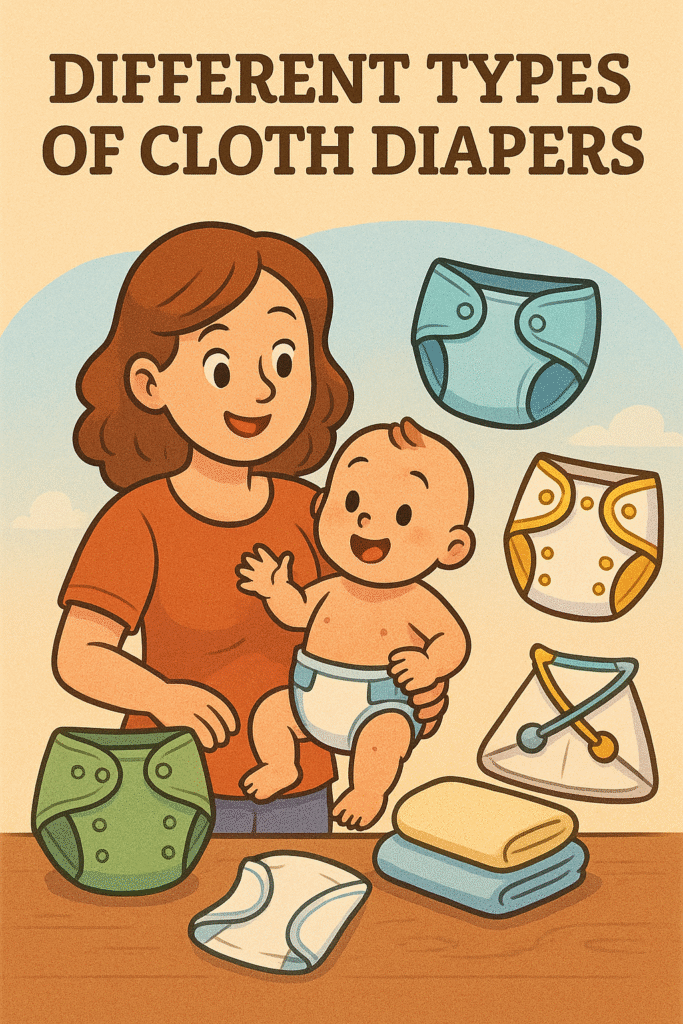
You need to know the four main types before spending a dime. Each style serves different purposes.
The “best” option depends on your daily routine, not some universal ranking.
Prefold Diapers
These are simple cloth rectangles that you fold and place inside a waterproof cover. They’re the cheapest option available.
The catch is convenience. They take longer to put on than other styles.
If you’re comfortable with a manual process, prefolds save serious money.
Fitted Diapers
Fitted diapers look like disposables but need a separate waterproof cover. You skip the folding step, which makes changes faster.
Thirsties makes some of the best fitted diapers on the market. They maintain absorbency throughout the day without breaking down.
Check out Thirsties Fitted Diapers on Amazon →
Pocket Diapers
These have an opening where you insert absorbent pads. You can customize how much absorbency you need.
This flexibility makes them popular for overnight use or heavy wetters. You stuff each diaper before use and pull out the insert before washing.
All-in-One Diapers
All-in-ones combine the absorbent layer and waterproof cover into one piece. They work exactly like disposables.
You pay more per diaper for this convenience. Some parents find the streamlined process worth the extra cost.
Key Considerations
Switching to reusable diapers and baby care systems needs honest assessment of what you can actually handle.
The Real Environmental Picture
Disposable diapers use about 20 times more water during manufacturing than cloth diapers need for washing across the entire diapering period.
Manufacturing disposable diapers for one baby for a week uses nearly 2,000 liters of water. Washing cloth diapers twice weekly uses roughly 120 liters.
But both systems carry environmental costs. Disposable diapers create massive solid waste problems.
An estimated 20 billion diapers end up in landfills annually.
The materials take over 100 years to decompose.
Cloth diapers generate waterborne waste through washing. This gets worse when you wash half-full loads or use electric dryers constantly.
The most responsible approach means washing cloth diapers in full loads and line-drying whenever you can.
What You’ll Actually Spend
Let me break down the real numbers:
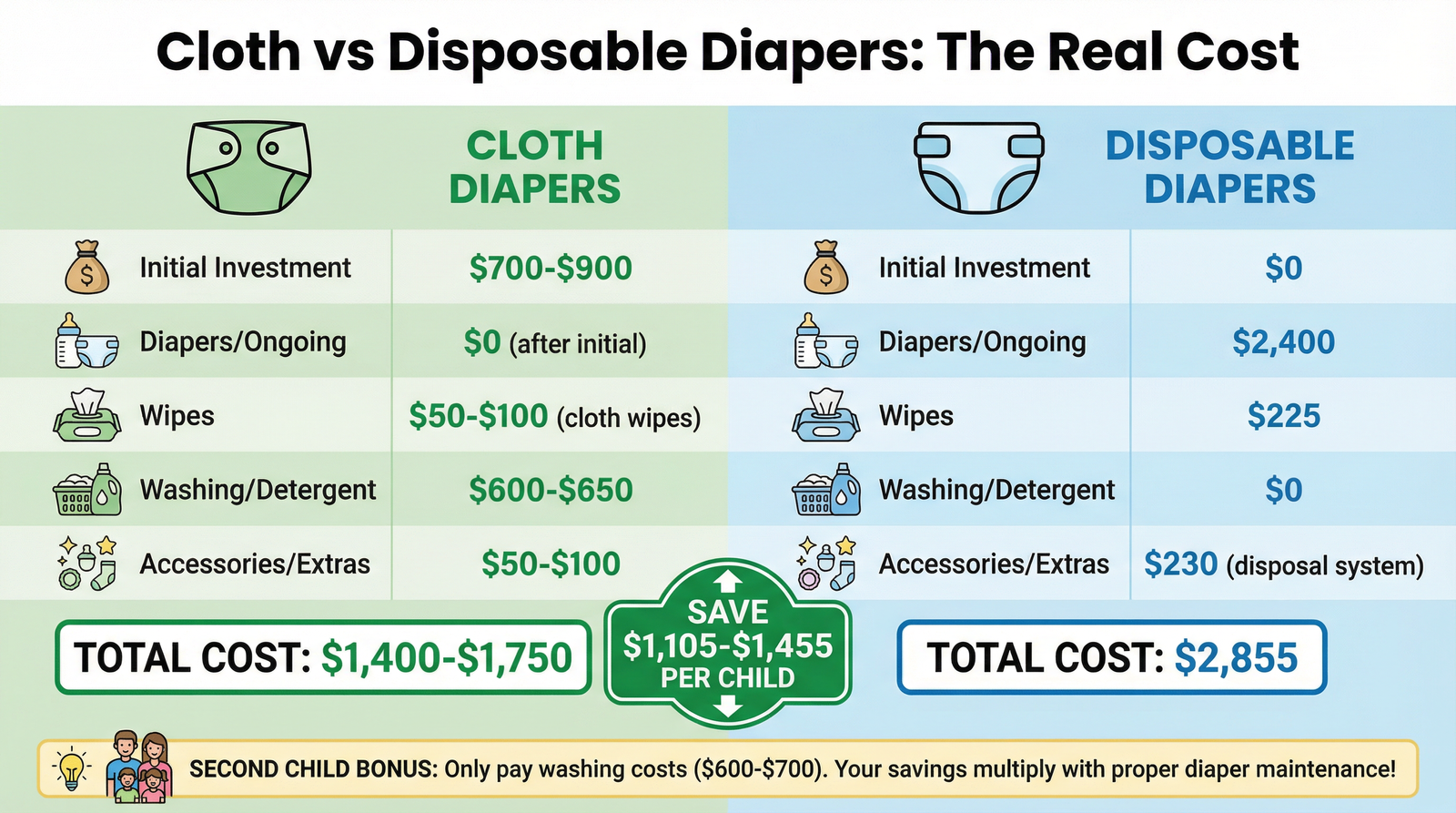
| Expense Category | Cloth Diapers (Single Child) | Disposable Diapers (Single Child) |
|---|---|---|
| Initial Investment | $700-$900 | $0 |
| Diapers/Ongoing Cost | $0 (after initial) | $2,400 |
| Wipes | $50-$100 (cloth wipes) | $225 |
| Washing/Detergent | $600-$650 | $0 |
| Accessories/Extras | $50-$100 | $230 (disposal system) |
| Total Cost | $1,400-$1,750 | $2,855 |
| Savings with Cloth | $1,105-$1,455 per child | |
For a second child, you only pay washing costs (around $600-$700). The savings speed up dramatically if you maintain your diapers properly.
Laundry Reality
Washing cloth diapers needs consistency. You can’t store dirty diapers for a week without serious odor and hygiene problems.
Most parents wash every two to three days. This keeps loads manageable and prevents smell buildup.
The process involves removing solid waste, rinsing if needed, washing in hot water with baby-safe detergent, and drying. Line-drying extends diaper life significantly compared to machine drying.
This routine demands genuine commitment. You can’t just have good intentions.
Step-by-Step Guide
Step 1: Choose Your System
Research the four main styles I covered earlier. Be honest about which fits your actual lifestyle, not your ideal lifestyle.
Night owls who hate laundry might find prefold diapers tedious. Busy professionals often prefer pocket or all-in-one options despite higher costs.
Step 2: Calculate Your Investment
Determine how many diapers you need. Most parents find 18 to 24 diapers sufficient with every-other-day washing.
Multiply this by the per-diaper cost of your chosen brand. Add waterproof covers if needed, plus quality detergent made for cloth diapers.
Step 3: Buy Quality Brands
Top-tier brands deliver consistency and durability. Cheap diapers leak, lose shape, and cost more long-term through replacements.
GroVia offers hybrid systems that combine reusable covers with washable or disposable inserts. This gives you flexibility for travel or sick days when cloth feels overwhelming.
Get GroVia Hybrid Cloth Diaper Shells Here →
Esembly specializes in simplified systems designed to reduce the learning curve. Their starter kits include everything you need with clear instructions.
Browse Esembly Complete Diaper Systems →
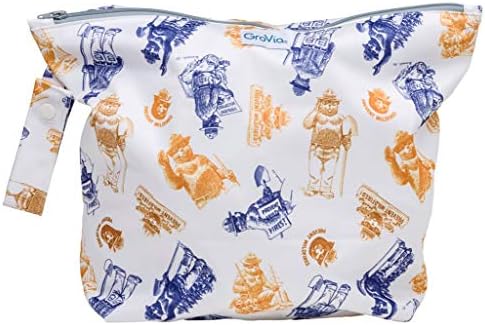
- Keep your cloth diapers and accessories secure with this durable zippered wet bag. A cloth diapering necessity, this ver…
- HOLDS SEVERAL CLOTH DIAPERS: The reusable and portable wetbag holds between 4 to 6 diapers, or several soaker pads, boos…
- EFFECTIVE, MODERN DESIGN: The perfectly sized wetbag tucks conveniently into your diaper bag for easy use when on the go…

- Made from soft high quality PUL
- Size 26″ tall, 16″ diameter
- Fabric is waterproof to keep dampness inside
Step 4: Set Up Your Washing Routine
Create a system that prevents diaper buildup without requiring daily washing. Most parents pick one or two specific days for diaper laundry.
Rinse solid waste, store diapers in a ventilated container (never sealed, which speeds up odor), then wash in hot water with adequate detergent.
Cold rinses before the hot wash cycle prevent staining.
Step 5: Test Before Full Commitment
Start with half cloth diapers and half disposables for two weeks. This let’s you identify what actually works before eliminating your safety net.
Many parents find out about they prefer a hybrid approach as opposed to strict cloth-only diapering.
Expert Tips
Invest in Quality Inserts
Premium materials like hemp or bamboo outperform basic cotton, particularly overnight. The slightly higher cost delivers noticeable improvement in leak prevention.
Your baby also experiences less diaper rash with natural fibers against their skin.
Use Cloth Wipes Too
You’re already washing diapers. Adding cloth wipes makes finish sense.
Cotton wipes cost pennies and wash alongside diapers without extra water consumption. This eliminates the $225 to $320 expense of disposable wipes over the diapering period.
Store Diapers Properly
Sealed buckets create ammonia buildup and damage diaper elastics. Use open containers or ventilated wet bags instead.
Air circulation contains odor while protecting your investment. This single change extends diaper lifespan considerably.
💡 Pro Tip: Buy a wet bag for your diaper bag when you’re out. Planet Wise makes excellent wet bags that contain smell and moisture until you get home to wash.
This simple addition makes cloth diapering outside the house much easier.
Understand Detergent Matters
Standard laundry detergent contains dyes, perfumes, and optical brighteners. These create residue buildup that reduces absorbency and irritates skin.
Use specifically formulated cloth diaper detergent or high-quality baby detergent free of additives.
Know When Cloth Doesn’t Work
Even committed cloth diaper families keep disposables for travel, illness, or daycare. Recognizing these limitations prevents burnout.
You don’t need to be perfect. Using cloth 80% of the time still delivers significant savings and environmental benefits.

- 100% Organic Cotton
- Made in the USA or Imported
- Soft, Thirsty, and Made for Snuggles: The Esembly Inner is made from soft, unbleached organic cotton and features a uniq…
Common Mistakes
Buying Too Many Diapers Upfront
New parents often purchase excessive quantities before determining what works for their baby’s body shape and household routine.
Start with 12 to 15 diapers. Expand once you’ve confirmed compatibility.
Machine Drying Everything
Electric dryers reduce diaper lifespan significantly. The heat damages elastic and waterproofing faster than natural wear.
Reserve machine drying for covers and wipes, not the diapers themselves.
Washing in Cold Water
Warm or hot water kills bacteria and removes waste residue far more effectively than cold water. Skipping the hot wash cycle creates hygiene problems.
Your diapers also lose absorbency over time with cold-only washing.
Not Enough Covers
Parents using fitted or prefold diapers sometimes underestimate how many waterproof covers they need.
Budget for at least three covers: one in use, one drying, and one for backup. Covers last longer than absorbent diapers since they don’t absorb much moisture.
Get Thirsties Duo Wrap Covers (Trusted by Thousands) →
Waiting Too Long Between Washes
Storing dirty diapers beyond three days creates persistent odor problems and ammonia damage. Consistent washing schedules prevent this entirely.
Making Reusable Diapers and Baby Care Work
The transition to reusable diapers and baby care products succeeds when your expectations match reality. Cloth diapering needs more work than disposables.
The financial and environmental benefits only justify this effort if you genuinely value one or both aspects.
Start small with a starter system from a reputable brand. Maintain consistent washing routines.
Give yourself permission to use disposables when cloth genuinely doesn’t work.
This balanced approach prevents the all-or-nothing mentality that causes most parents to quit prematurely.
Real-World Scenarios
For a single child using mid-range cloth diapers, expect total costs around $1,400 to $1,500 including detergent and water. Compare this to nearly $2,900 for disposables.
That’s real savings of $1,400 to $1,500 with one child.
A second child wearing the same diapers needs only laundry costs, about $600 to $700 total. This delivers genuine financial relief.
Parents who prioritize convenience alongside cost savings benefit from hybrid systems. Using cloth at home and disposables for outings captures most cost advantages while reducing laundry burden.
Your Choice Reflects Your Priorities
Your diaper choice reflects your priorities, not your parenting capability.
Families with laundry capacity find reusable diapers incredibly rewarding. Parents seeking long-term savings find out about genuine financial freedom through cloth diapering.
Managing sensitive skin concerns often gets resolved completely by switching from chemical-laden disposables to natural fibers.
The key is identifying which system serves your family’s specific needs.
Conclusion
Reusable diapers and baby care systems work when you approach them practically. You need realistic expectations, quality products, and consistent routines.
The upfront investment feels significant. But the long-term savings and environmental benefits compound over time, especially with multiple children.
Start with a trusted brand like Esembly or GroVia. Test your chosen system for two weeks before going all-in. Establish washing routines that fit your schedule, not someone else’s ideal.
Shop Complete Starter Kits for New Cloth Diaper Parents →

- 100%polyester
- Imported
- Superior Absorbency: Our CoolaPeach cloth diapers are equipped with 6 high-quality microfiber inserts, ensuring maximum …

- Complete Cloth Diapering Set: Includes 4 adjustable pocket cloth diapers and 4 viscose with microfiber inside absorbent …
- Adjustable Fit for Growing Babies: Designed to fit babies from 10 lbs to 35 lbs with adjustable snap settings, ensuring …
- Easy to Clean: Diapers are Machine Washable and quick drying with separated inserts, our cloth diapers can be included w…
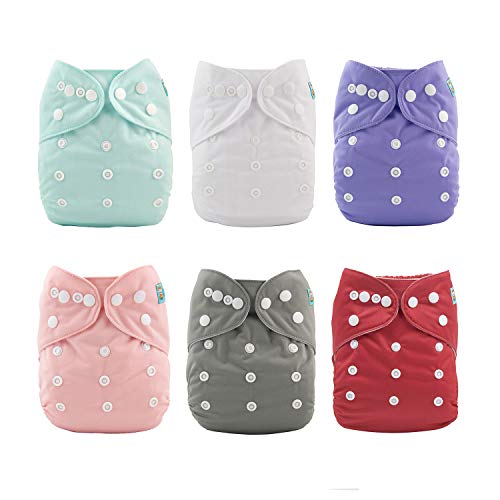
- FASION & STYLISH -Why not get these reusable, washable super-absorbent and comfortable cloth nappies / diapers, which ar…
- HIGH QUALITY, ADJUSTABLE, REUSABLE & WATERPROOF -Outer layer: polyester with waterproof and breathable TPU .It’s conveni…
- SAVE MONEY & ONE SIZE-Our reusable cloth diapers are designed for families who require premium products. Suitable for ba…
Remember that using cloth diapers 80% of the time still delivers major benefits. You don’t need perfection.
You need a system that works for your family’s actual circumstances.
The parents who succeed with cloth diapering are the ones who give themselves grace during the learning curve and adjust their approach based on real results, not Instagram ideals.
You can do this. The money you save will prove it was worth the effort.