Learn how temperature, humidity & ventilation affect diaper performance. Expert tips for creating an optimal nursery environment that prevents leaks & rashes.
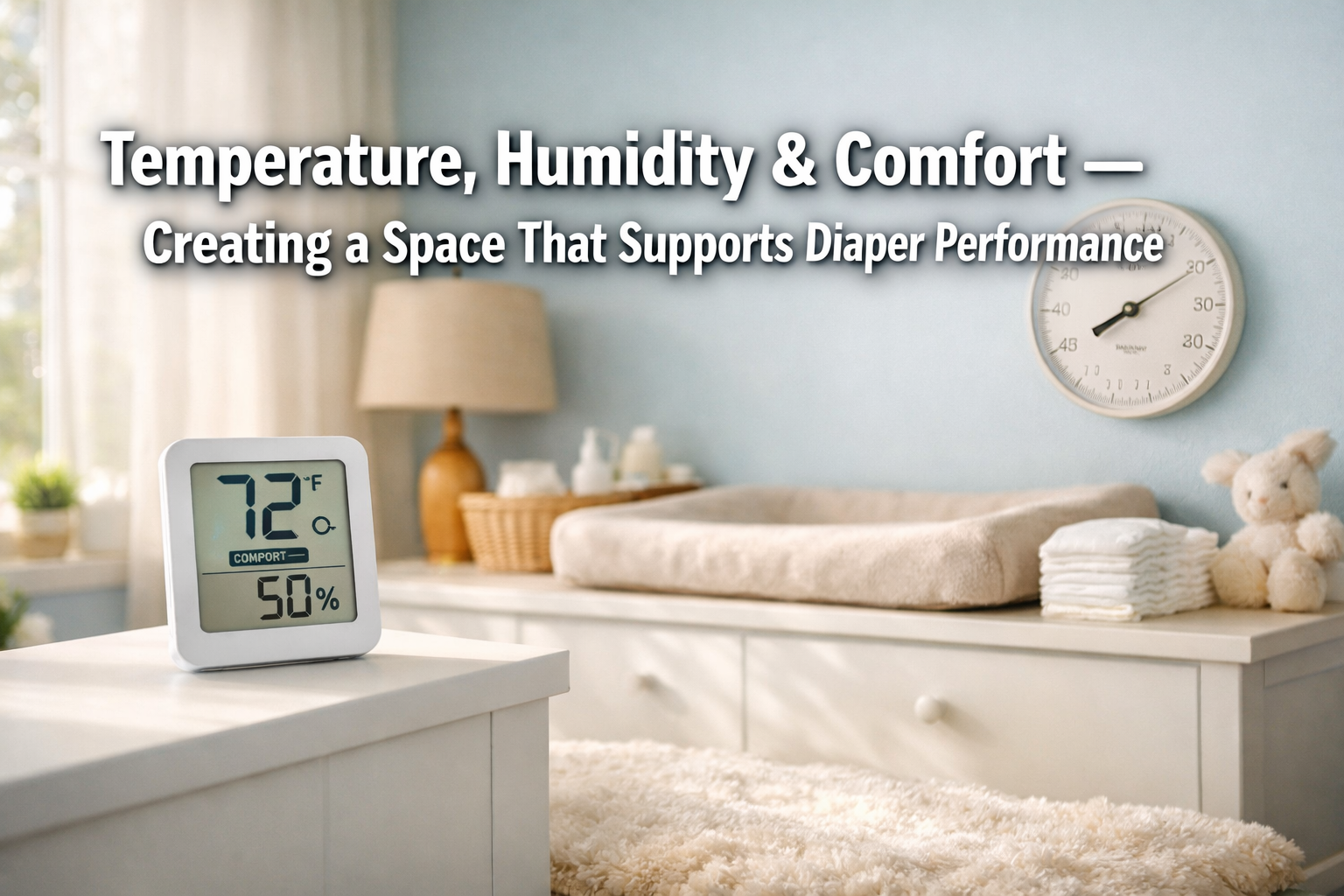
Picture this: It’s 2 a.m., and you’re changing your baby’s diaper for the third time tonight. The room feels stuffy, your little one is fussy, and despite using the same diapers that worked perfectly yesterday, you’re dealing with yet another leak. Sound familiar? 🌡️
Here’s something many parents don’t realize: the environment where you change and care for your baby plays a surprisingly significant role in how well their diapers perform. Creating a Space That Supports Diaper Performance isn’t just about having the right products—it’s about understanding how temperature, humidity, and overall comfort work together to keep your baby dry, happy, and rash-free.
Whether you’re using disposables, exploring cloth options, or switching between both, the conditions in your nursery or changing area can make the difference between peaceful nights and constant diaper disasters. Let’s dive into how you can optimize your baby’s space for maximum diaper performance and comfort.
Key Takeaways
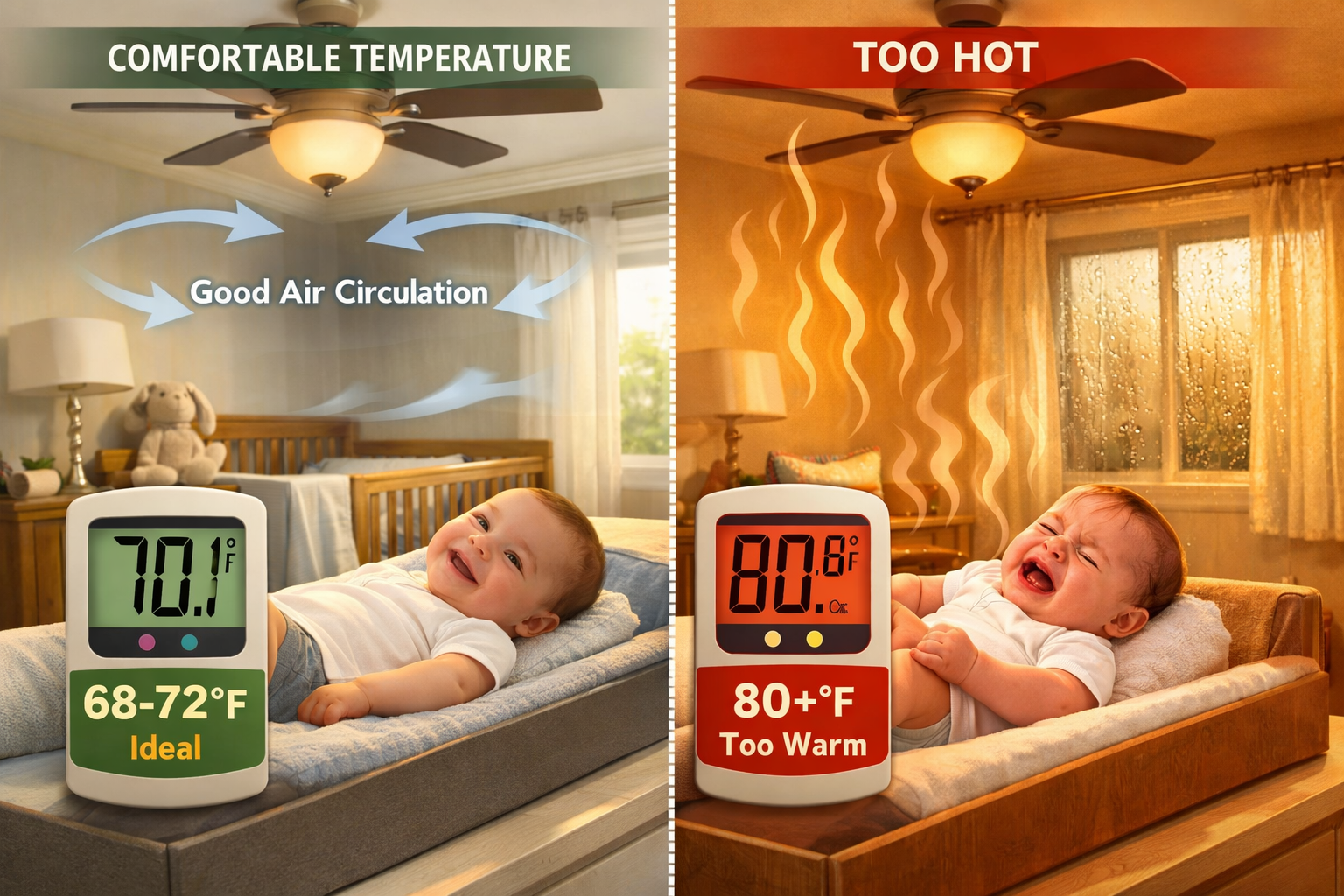
- Temperature control matters: Keeping your nursery between 68-72°F (20-22°C) helps prevent excessive sweating that can overwhelm diaper absorbency and cause leaks
- Humidity is crucial: Maintaining 40-60% relative humidity prevents both diaper materials from becoming too dry (reducing effectiveness) and skin from becoming too moist (increasing rash risk)
- Proper ventilation enhances performance: Good air circulation helps regulate moisture levels, reduces bacteria growth, and keeps both disposable and cloth diapers functioning optimally
- Storage conditions affect diaper quality: How and where you store diapers before use impacts their absorbency and structural integrity
- Comfort equals better fit: A comfortable baby moves less during changes, allowing for better diaper positioning and seal, which directly prevents leaks
Understanding the Connection Between Environment and Diaper Performance
Most parents focus exclusively on choosing the right diaper brand, size, and type—and while those factors are undeniably important, they’re only part of the equation. The environmental conditions surrounding your baby create a complex ecosystem that directly impacts how well any diaper performs.
Why Temperature Matters for Diaper Function
Babies regulate body temperature differently than adults. Their smaller bodies have a higher surface area-to-volume ratio, making them more susceptible to environmental temperature fluctuations [1]. When a room is too warm, babies sweat more—and that excess moisture has to go somewhere.
Here’s what happens when the temperature isn’t right:
- Too hot (above 75°F/24°C): Babies produce excess perspiration that saturates the diaper faster than normal, overwhelming absorbent materials and leading to leaks
- Too cold (below 65°F/18°C): Babies may become uncomfortable and squirmy, making proper diaper fit difficult to achieve and maintain
- Temperature fluctuations: Inconsistent room temperatures can cause condensation within diaper materials, affecting their structural integrity
Think of it this way: a diaper is designed to handle a certain volume of liquid over a specific time period. When environmental heat adds unexpected moisture to the equation, even the best diaper can fail.
The Humidity Factor You Can’t Ignore
Humidity—the amount of water vapor in the air—plays an equally critical role in Creating a Space That Supports Diaper Performance. This often-overlooked factor affects both the diaper itself and your baby’s skin.
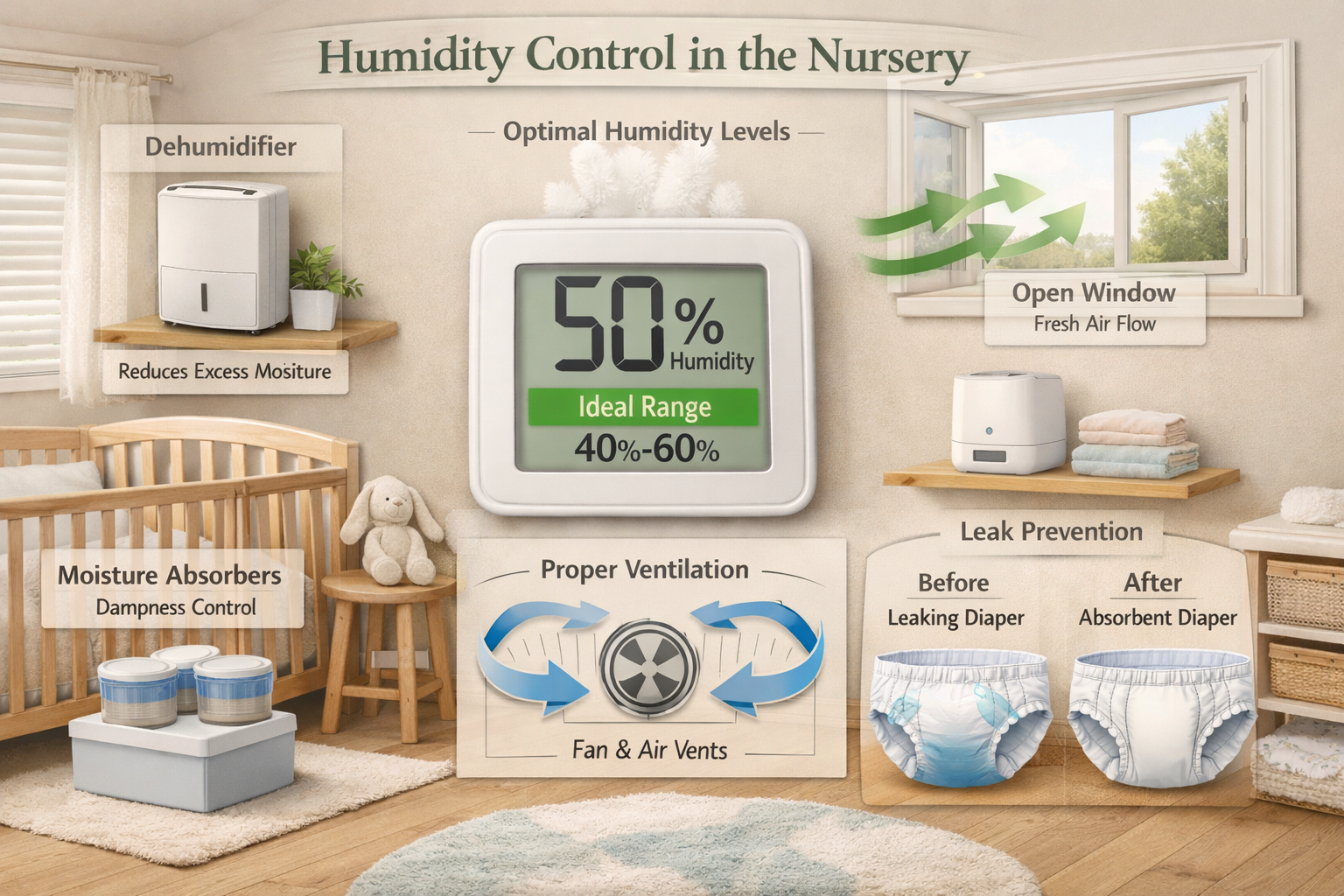
Optimal humidity range: 40-60% relative humidity
When humidity levels fall outside this range, several problems can emerge:
| Humidity Level | Impact on Diapers | Impact on Baby’s Skin |
|---|---|---|
| Below 40% (Too Dry) | Elastic bands may become brittle; absorbent materials can dry out and lose effectiveness | Skin becomes dry and cracked, more susceptible to irritation |
| 40-60% (Optimal) | Materials maintain flexibility and absorbency; adhesive tabs work properly | Skin barrier remains healthy; natural moisture balance maintained |
| Above 60% (Too Humid) | Excess moisture can compromise adhesives; materials may not wick effectively | Skin stays overly moist, creating ideal conditions for diaper rash and yeast infections |
A parent named Sarah from Portland shared her experience: “I couldn’t figure out why my baby kept getting rashes despite frequent changes. Then I bought a hygrometer and discovered our nursery was at 75% humidity! After getting a dehumidifier and bringing it down to 50%, the rashes cleared up within days.”
Creating a Space That Supports Diaper Performance: Temperature Control Strategies
Now that we understand why temperature matters, let’s explore how to maintain optimal conditions in your baby’s space.
Setting the Ideal Temperature Range
The American Academy of Pediatrics recommends keeping nurseries between 68-72°F (20-22°C) [2]. This range provides comfort for your baby while supporting optimal diaper performance.
Practical temperature control tips:
✅ Invest in a reliable thermometer: Place one near the changing table and another near the crib to monitor temperature variations across the room
✅ Use programmable thermostats: Set different temperatures for day and night to maintain consistency without constant manual adjustments
✅ Consider room-specific solutions: If your whole-house HVAC system can’t maintain ideal nursery temperatures, a small space heater (with safety features) or portable AC unit can help
✅ Monitor seasonal changes: What works in summer won’t work in winter—reassess your setup with each season change
✅ Account for diaper changes: The changing area might need slightly different temperature considerations than the sleeping area, especially if your baby is partially undressed during changes
Avoiding Temperature Extremes During Changes
Even if your nursery maintains perfect temperature overall, the changing process itself can create temperature stress for your baby. A cold changing surface or drafty area can make babies tense up, squirm, and resist proper diaper positioning.
Solutions for comfortable diaper changes:
- Use a changing pad with a soft, washable cover that doesn’t feel cold against baby’s skin
- Keep the changing area away from direct air vents or drafty windows
- Consider a small, safe heating element (like a changing pad warmer) for winter months
- Have everything prepared before undressing baby to minimize exposure time
- Keep a lightweight blanket nearby to cover baby’s upper body during changes
When babies are comfortable during changes, they’re calmer and more cooperative—making it much easier to achieve that perfect diaper fit that prevents leaks. This is especially important when using cloth diapers, which require more precise positioning than disposables.
Temperature and Diaper Storage
Here’s something most parents never consider: where and how you store unused diapers before use can affect their performance.
Storage temperature guidelines:
🌡️ Avoid extreme heat: Don’t store diapers near radiators, heating vents, or in hot attics. Heat can degrade elastic components and adhesives
🌡️ Prevent freezing: Similarly, extremely cold storage (like unheated garages in winter) can make materials brittle
🌡️ Maintain consistency: Store diapers in the same climate-controlled space where you’ll use them—ideally in a closet or drawer in the nursery itself
🌡️ Protect from direct sunlight: UV rays can break down materials over time, reducing absorbency and elasticity
For parents using cloth diapers, proper storage becomes even more critical. Clean cloth diapers should be stored in a dry, well-ventilated space to prevent mustiness, while dirty diapers need their own temperature-controlled system. Learn more about preventing common cloth diaper issues like compression leaks that can worsen in poor storage conditions.
Mastering Humidity Control for Better Diaper Performance
While temperature often gets all the attention, humidity control is equally—if not more—important for Creating a Space That Supports Diaper Performance. Let’s explore how to maintain that sweet spot of 40-60% relative humidity.
Measuring Your Current Humidity Levels
Before you can fix a humidity problem, you need to know if you have one. Fortunately, measuring humidity is simple and inexpensive.
Getting started with humidity monitoring:
- Purchase a hygrometer: These devices measure relative humidity and are available for $10-30 at most hardware stores or online
- Place it strategically: Position it near your changing table at roughly the same height as your baby when lying down
- Monitor for a week: Humidity can fluctuate throughout the day and night, so track patterns over several days
- Check different seasons: What’s perfect in summer might be too dry in winter when heating systems run constantly
Many modern baby monitors now include temperature and humidity sensors, providing real-time data directly to your smartphone—a convenient option for tech-savvy parents.
Solutions for Low Humidity (Below 40%)
Low humidity is particularly common during winter months when heating systems dry out indoor air. This can cause multiple diaper-related problems:
Problems caused by low humidity:
- Diaper elastic becomes less flexible, creating gaps that allow leaks
- Baby’s skin dries out, increasing friction and rash susceptibility
- Adhesive tabs may not stick as effectively
- Static electricity can make diaper positioning difficult
Effective solutions for raising humidity:
💧 Use a cool-mist humidifier: Place one in the nursery, following manufacturer guidelines for room size. Cool-mist models are safer than warm-mist versions around babies
💧 Maintain the humidifier properly: Clean it regularly (at least weekly) to prevent mold and bacteria growth, which can cause respiratory issues
💧 Try natural humidity boosters: Placing bowls of water near heat sources, keeping the bathroom door open after showers, or adding houseplants can help
💧 Adjust gradually: Don’t jump from 30% to 60% overnight—increase humidity slowly over several days to allow materials and baby to adjust
💧 Monitor constantly: Use your hygrometer to ensure you don’t overshoot and create too much humidity
Solutions for High Humidity (Above 60%)
High humidity is common in coastal areas, during summer months, or in homes with poor ventilation. Excess moisture creates its own set of challenges for diaper performance.
Problems caused by high humidity:
- Diaper materials stay damp, reducing their ability to absorb additional moisture
- Adhesive tabs may not hold properly in humid conditions
- Baby’s skin remains moist, creating perfect conditions for diaper rash
- Bacterial and fungal growth accelerates in both the diaper area and stored diapers
Effective solutions for reducing humidity:
💨 Invest in a dehumidifier: A small, quiet unit designed for bedrooms can make a dramatic difference
💨 Improve ventilation: Open windows when weather permits, use exhaust fans, and ensure air can circulate freely
💨 Use moisture absorbers: Products like DampRid or silica gel packets in storage areas can help control localized humidity
💨 Fix moisture sources: Address any leaks, condensation on windows, or other sources of excess moisture in the nursery
💨 Consider air conditioning: AC units naturally dehumidify air while cooling, providing dual benefits
💨 Strategic diaper changes: If possible, change diapers in a better-ventilated area of your home during particularly humid periods
Parents dealing with persistent humidity issues often find that cloth diaper rash problems improve dramatically once humidity is properly controlled.
Seasonal Humidity Adjustments
Your humidity control strategy needs to adapt throughout the year:
Spring/Summer humidity management:
- Monitor for rising humidity as temperatures increase
- Use AC or dehumidifiers proactively before problems develop
- Increase air circulation with fans
- Consider more frequent diaper changes during humid spells
Fall/Winter humidity management:
- Watch for dropping humidity as heating systems run
- Start using humidifiers before air becomes uncomfortably dry
- Be cautious not to over-humidify, which can cause condensation
- Adjust based on your heating system type (forced air dries more than radiant heat)
The Ventilation Variable in Creating a Space That Supports Diaper Performance
Good air circulation ties together temperature and humidity control while providing additional benefits for diaper performance that many parents overlook.
Why Air Circulation Matters
Stagnant air creates pockets of varying temperature and humidity, leading to inconsistent conditions across your nursery. Proper ventilation ensures:
- Even temperature distribution throughout the room
- Consistent humidity levels without damp spots
- Reduced bacterial and fungal growth in the air and on surfaces
- Better odor control, especially important with cloth diapers
- Faster drying of any moisture on baby’s skin between changes
Practical Ventilation Strategies
Creating good airflow doesn’t mean your nursery needs to feel like a wind tunnel. Gentle, consistent circulation is the goal.
Effective ventilation approaches:
🌬️ Ceiling fans on low: These distribute air evenly without creating drafts. In winter, run them in reverse (clockwise) to push warm air down from the ceiling
🌬️ Strategic window opening: Even 10-15 minutes of fresh air daily can make a significant difference. Choose times when outdoor temperature is closest to your target indoor temperature
🌬️ Door positioning: Keeping the nursery door partially open allows air exchange with the rest of your home
🌬️ Air purifiers with circulation: These clean the air while promoting gentle movement
🌬️ Avoid blocking vents: Ensure furniture placement doesn’t obstruct heating/cooling vents or return air grills
🌬️ HVAC system maintenance: Change filters regularly and have ducts cleaned periodically to maintain efficient air circulation
Ventilation Considerations for Cloth Diaper Users
Parents using cloth diapers have additional ventilation needs to consider. Proper airflow helps with:
- Drying clean diapers more effectively if you air-dry indoors
- Controlling odors from diaper pails or wet bags
- Preventing moisture buildup in storage areas
- Reducing the risk of mildew or ammonia smell development
If you’re storing soiled cloth diapers in the nursery, ventilation becomes even more critical. Many parents find that a small exhaust fan or air purifier near the diaper pail makes a noticeable difference.
Comfort Factors Beyond Temperature and Humidity
Creating a Space That Supports Diaper Performance extends beyond just environmental controls. The overall comfort of your changing area influences how well diapers work.
Lighting That Supports Proper Diaper Application
You can’t achieve a good diaper fit if you can’t see what you’re doing. Lighting plays a crucial role in diaper performance that’s often underestimated.
Optimal lighting setup:
- Bright, shadow-free task lighting over the changing table for daytime changes
- Adjustable dimmer switches to reduce brightness for nighttime changes without sacrificing visibility
- Nightlights with adjustable brightness positioned to illuminate the changing area without fully waking baby
- Natural light when possible during daytime changes—it’s easier on everyone’s eyes
Proper lighting helps you:
- See whether the diaper is positioned correctly
- Notice if elastic is twisted or bunched
- Spot any redness or irritation early
- Ensure adhesive tabs are properly secured
- Check that leg cuffs are properly positioned to prevent leaks
Changing Surface Comfort
The changing surface itself affects how still and cooperative your baby remains during changes—which directly impacts how well you can position the diaper.
Creating a comfortable changing surface:
✨ Adequate padding: A firm but cushioned surface provides comfort without being so soft that baby sinks in
✨ Appropriate covering: Soft, washable covers that aren’t cold to the touch encourage babies to stay calm
✨ Proper height: The changing surface should be at a comfortable height for the caregiver to avoid rushing through changes
✨ Safety features: Proper safety straps and raised edges let you focus on proper diapering rather than worrying about falls
✨ Organization: Having all supplies within arm’s reach means less time with baby exposed and uncomfortable
When babies are comfortable and calm during changes, caregivers can take the time to ensure proper fit—which is especially important for preventing nighttime leaks.
The Organization Factor
A well-organized changing area isn’t just aesthetically pleasing—it directly supports better diaper performance by reducing stress and rushing during changes.
Essential organization elements:
📦 Diaper storage: Keep current-size diapers within easy reach, stored in conditions we’ve discussed (proper temperature and humidity)
📦 Wipe accessibility: Wipes should be easy to access with one hand while the other hand stays on baby
📦 Barrier cream station: Having diaper cream immediately available encourages consistent use, preventing rashes that can affect diaper fit
📦 Clothing storage: Easy access to fresh clothes means you’re prepared for blowouts without leaving baby unattended
📦 Disposal system: Whether using a diaper pail, wet bag, or trash can, easy disposal reduces time spent on each change
Many parents find that investing in a quality diaper bag or organizer helps them maintain organization both at home and on-the-go, ensuring consistent diaper performance regardless of location.
Special Considerations for Different Diaper Types
Different diaper types respond to environmental conditions in unique ways. Understanding these differences helps you fine-tune your space for optimal performance.
Disposable Diapers and Environmental Factors
Modern disposable diapers use superabsorbent polymers (SAPs) that turn liquid into gel. These materials are sensitive to environmental conditions:
Temperature effects on disposables:
- Extreme heat can cause SAP crystals to break down prematurely
- Very cold temperatures can make the outer plastic layer brittle
- Temperature fluctuations during storage can affect adhesive quality
Humidity effects on disposables:
- High humidity can cause pre-saturation of absorbent materials, reducing capacity
- Low humidity can dry out elastic components
- Moisture exposure during storage can compromise packaging integrity
Best practices for disposable diaper storage:
- Keep packages sealed until use
- Store in climate-controlled areas (not garages or basements)
- Use opened packages within 2-3 months for best performance
- Avoid storing near moisture sources (bathrooms, laundry areas)
Cloth Diapers and Environmental Sensitivity
Cloth diapers are even more sensitive to environmental conditions than disposables, making proper space management crucial for parents choosing reusable options.
Temperature considerations for cloth:
- Natural fibers (cotton, bamboo, hemp) perform best at moderate temperatures
- Excessive heat can damage elastic and PUL (polyurethane laminate) waterproof layers
- Cold can make materials less flexible and comfortable against baby’s skin
Humidity considerations for cloth:
- High humidity can prevent proper drying between washes, leading to mildew
- Low humidity can make natural fibers rough and less absorbent
- Storage humidity affects how well clean diapers maintain their absorbency
Ventilation needs for cloth:
- Proper airflow prevents odor buildup in storage
- Good circulation helps prevent bacterial growth in wet bags or pails
- Adequate ventilation supports effective air-drying if you don’t use a dryer
For parents interested in cloth diapering, understanding these environmental factors is essential. Check out our complete guide to reusable diapers for more detailed information about optimizing cloth diaper performance.
Hybrid Systems and Environmental Optimization
Many modern parents use hybrid approaches—cloth at home, disposables when traveling, or combinations like cloth diapers with disposable inserts. This requires managing environmental conditions for multiple diaper types.
Tips for hybrid diaper systems:
- Maintain separate storage areas with appropriate conditions for each type
- Keep disposables in sealed containers if your nursery runs humid for cloth diaper optimization
- Use your diaper bag as a climate-controlled transport system between home and outings
- Monitor how each type performs in your specific environment and adjust accordingly
- Consider seasonal switching—cloth in moderate seasons, disposables during extreme weather
Monitoring and Adjusting Your Space Over Time
Creating a Space That Supports Diaper Performance isn’t a one-time setup—it requires ongoing monitoring and adjustment as conditions change.
Seasonal Adjustments
Each season brings different environmental challenges that affect diaper performance:
Spring:
- Rising humidity levels may require dehumidification
- Pollen and allergens can affect air quality
- Temperature fluctuations require flexible climate control
- Increased ventilation opportunities with pleasant weather
Summer:
- High heat increases baby’s perspiration
- Humidity often peaks, requiring active management
- Air conditioning becomes essential for temperature and humidity control
- More frequent diaper changes may be necessary
Fall:
- Dropping humidity as heating systems start running
- Temperature inconsistencies during seasonal transition
- Time to introduce humidification systems
- Reassess storage locations as weather changes
Winter:
- Lowest humidity levels of the year
- Consistent heating can create very dry conditions
- Static electricity can affect diaper materials
- Balance between ventilation and heat retention
Tracking Performance Patterns
Smart parents keep simple records to identify patterns between environmental conditions and diaper performance:
What to track:
- Room temperature and humidity readings (morning and evening)
- Number of leaks or blowouts per day
- Any rashes or skin irritation
- Baby’s comfort level during changes
- Seasonal performance variations
After a few weeks of tracking, patterns often emerge. You might notice that leaks increase when humidity rises above 65%, or that baby gets fussy during changes when the room drops below 68°F. These insights allow you to make proactive adjustments.
Baby’s Growth and Changing Needs
As your baby grows, their environmental needs evolve:
Newborn stage (0-3 months):
- Higher temperature needs (closer to 72°F)
- More frequent changes mean more time at changing table
- Greater sensitivity to environmental fluctuations
Infant stage (3-12 months):
- Can handle slightly cooler temperatures
- More active, requiring quicker changes
- Increased output requires optimal diaper performance
Toddler stage (12+ months):
- Comfortable at lower temperatures
- More mobile during changes, requiring better comfort strategies
- Transitioning toward potty training may change space needs
Adjust your environmental controls as your baby develops to maintain optimal conditions for their current stage.
Troubleshooting Common Environment-Related Diaper Problems
Even with careful attention to Creating a Space That Supports Diaper Performance, problems can arise. Here’s how to diagnose and fix common issues.
Problem: Frequent Leaks Despite Proper Sizing
Possible environmental causes:
- Room too warm, causing excessive perspiration
- Humidity too high, preventing proper absorption
- Poor ventilation causing moisture buildup
- Storage conditions degrading diaper materials
Solutions:
- Check and adjust room temperature to 68-72°F
- Measure humidity and bring it into 40-60% range
- Improve air circulation around changing area
- Relocate diaper storage to better conditions
- Consider whether seasonal factors are contributing
Problem: Persistent Diaper Rash
Possible environmental causes:
- Humidity too high, keeping skin moist
- Temperature too warm, increasing sweating
- Poor ventilation allowing bacterial growth
- Changing surface too cold, causing baby to tense up
Solutions:
- Reduce humidity if above 60%
- Lower room temperature slightly if above 72°F
- Increase ventilation and air circulation
- Warm the changing surface
- Ensure adequate drying time between changes
For persistent rash issues, especially with cloth diapers, review our guide on cloth diaper rash causes and solutions.
Problem: Diaper Adhesives Not Sticking Properly
Possible environmental causes:
- Humidity too high, affecting adhesive performance
- Storage temperature too extreme
- Moisture on baby’s skin from environmental conditions
Solutions:
- Reduce room humidity to optimal range
- Ensure diapers are stored in climate-controlled space
- Pat baby’s skin completely dry before diapering
- Allow diapers to acclimate to room temperature before use
- Check expiration dates—old diapers stored in poor conditions degrade faster
Problem: Uncomfortable Baby During Changes
Possible environmental causes:
- Room temperature too cold or too hot
- Changing surface temperature uncomfortable
- Poor lighting causing anxiety
- Drafts from vents or windows
Solutions:
- Adjust room temperature to comfort zone
- Use changing pad warmer or pre-warm surface with your hand
- Improve lighting to reduce shadows and uncertainty
- Reposition changing table away from drafts
- Use a lightweight cover to keep baby’s upper body warm during changes
Creating an Ideal Changing Station: A Comprehensive Checklist
Ready to optimize your space? Use this comprehensive checklist to ensure you’ve covered all aspects of Creating a Space That Supports Diaper Performance.
Environmental Controls ✓
- Thermometer installed and regularly checked
- Room temperature maintained at 68-72°F (20-22°C)
- Hygrometer installed and monitored
- Humidity maintained at 40-60%
- Humidifier or dehumidifier available as needed
- Ventilation system adequate (fan, window access, or air purifier)
- Seasonal adjustment plan in place
Physical Setup ✓
- Changing table at comfortable height
- Adequate padding on changing surface
- Soft, washable changing pad cover
- Proper lighting (bright for day, dimmable for night)
- Nightlight positioned appropriately
- Safety features in place (straps, raised edges)
- Organized storage for all supplies within reach
Storage Optimization ✓
- Diapers stored in climate-controlled area
- Storage away from heat sources and direct sunlight
- Protection from extreme cold
- Proper humidity in storage areas
- Opened packages used within reasonable timeframe
- Separate storage for different diaper types if using hybrid system
Comfort Features ✓
- Changing surface not cold to touch
- Area free from drafts
- Adequate space for caregiver to work comfortably
- Calming elements (soft colors, gentle sounds if desired)
- Easy-to-clean surfaces for inevitable messes
- Comfortable flooring if standing for extended periods
Monitoring Systems ✓
- Regular temperature checks scheduled
- Humidity monitoring routine established
- Performance tracking system in place
- Seasonal review dates set
- Adjustment protocol for identified problems
Real Parent Stories: Environmental Changes That Made a Difference
Sometimes the best insights come from parents who’ve solved these challenges themselves. Here are real stories (names changed for privacy) about how environmental adjustments transformed diaper performance.
Maria’s Humidity Discovery
“We live in Florida, and I couldn’t figure out why my daughter’s diapers kept leaking, especially at night. I tried every brand, every size, everything. Then my mother-in-law mentioned that her house always felt less humid than ours. I bought a hygrometer and discovered our nursery was at 72% humidity! After getting a dehumidifier and bringing it down to 50%, the leaks stopped almost immediately. I wish someone had told me about this months earlier—would have saved so much laundry and stress!”
James’s Temperature Solution
“As a dad doing a lot of nighttime changes, I noticed my son was always fussy during 3 a.m. diaper changes. I thought he just hated being woken up, but then I realized how cold the nursery got overnight. We’d been keeping the house at 65°F to save on heating. Once I started using a small space heater to keep his room at 70°F, he stayed much calmer during changes, which meant I could actually get the diaper on properly instead of wrestling with a squirming baby. Fewer leaks, better sleep for everyone.”
Priya’s Cloth Diaper Breakthrough
“I was so committed to cloth diapering for environmental reasons, but we were having constant problems with leaks and rashes. I was ready to give up until I joined an online cloth diaper group and someone mentioned humidity. Our basement laundry room where I was storing clean diapers was super humid—probably 70%+. I moved storage to a closet in our climate-controlled living space and started using a dehumidifier in the basement. The difference was night and day. The diapers performed so much better, and the rashes cleared up within a week.”
The Chen Family’s Seasonal Strategy
“We live in Minnesota, so we deal with extreme seasonal changes. Summer is hot and humid, winter is cold and dry. We finally figured out that we needed completely different strategies for different times of year. Summer: AC and dehumidifier running, more frequent changes. Winter: humidifier going, slightly warmer room temperature. Spring and fall: constant adjustments as weather changes. Once we stopped trying to use one approach year-round, everything got so much easier.”
Beyond the Nursery: Environmental Considerations for Diaper Changes Anywhere
While optimizing your home changing area is crucial, babies need diaper changes in many locations. Here’s how to maintain good environmental conditions wherever you go.
Car Changes
Vehicles present unique environmental challenges:
- Temperature extremes: Cars get much hotter or colder than outdoor temperatures
- Limited ventilation: Closed vehicles can become stuffy quickly
- Humidity fluctuations: Condensation in cold weather, excessive dryness with AC
Solutions for car changes:
- Park in shade during hot weather
- Run AC or heat to normalize temperature before changing
- Crack windows for ventilation
- Keep portable changing supplies in insulated diaper bag to protect from temperature extremes
- Use sunshades to regulate temperature
Public Changing Stations
Public restroom changing tables often have poor environmental conditions:
- Inconsistent temperature (often too cold)
- Poor ventilation
- High humidity in bathrooms
- Hard, uncomfortable surfaces
Making public changes work:
- Bring your own changing pad for comfort and cleanliness
- Work quickly but thoroughly to minimize baby’s exposure
- Choose facilities with better climate control when possible
- Layer baby’s clothing to adjust for temperature differences
- Have a backup outfit in case of leaks in suboptimal conditions
Outdoor Changes
Sometimes you need to change a diaper outside—at the park, beach, or during outdoor activities.
Outdoor changing tips:
- Find shaded areas to avoid temperature extremes
- Use a blanket or portable changing pad for comfort
- Work quickly to minimize exposure to elements
- Be prepared for wind affecting diaper application
- Pack extra diapers—outdoor conditions increase leak risk
Travel and Temporary Spaces
When traveling or visiting others’ homes, you can’t control the environment as well as at home.
Travel strategies:
- Bring a small thermometer and hygrometer to assess conditions
- Pack a portable humidifier or dehumidifier for extended stays
- Request climate-controlled rooms when booking accommodations
- Adapt your change frequency based on environmental conditions
- Bring extra supplies—suboptimal conditions increase diaper usage
The Future of Diaper Performance: Smart Technology and Environmental Control
As we move through 2026, technology is making it easier than ever to optimize environments for diaper performance.
Smart Nursery Systems
Modern smart home technology offers unprecedented control:
- Integrated climate control: Systems that automatically maintain optimal temperature and humidity
- Real-time monitoring: Apps that alert you when conditions drift outside ideal ranges
- Predictive adjustments: AI-powered systems that anticipate seasonal changes and adjust proactively
- Data tracking: Automatic logging of environmental conditions correlated with diaper performance
Advanced Monitoring Devices
New monitoring devices provide insights that weren’t available to previous generations of parents:
- Multi-sensor monitors: Single devices that track temperature, humidity, air quality, and more
- Wearable baby monitors: Devices that track baby’s temperature and moisture levels
- Smart changing pads: Surfaces that monitor and adjust temperature automatically
- Environmental analyzers: Devices that provide recommendations based on your specific conditions
Diaper Technology Advances
Diaper manufacturers are also responding to environmental factors:
- Climate-adaptive materials: Diapers designed to perform across wider temperature and humidity ranges
- Moisture indicators: More sophisticated indicators that account for environmental moisture
- Improved storage packaging: Better protection against environmental degradation during storage
- Smart diapers: Sensors that communicate saturation levels and environmental conditions
While these technologies are exciting, remember that basic environmental control—proper temperature, humidity, and ventilation—remains the foundation of Creating a Space That Supports Diaper Performance.
Cost-Effective Environmental Solutions for Every Budget
You don’t need expensive equipment to optimize your nursery environment. Here are solutions for every budget level.
Budget-Friendly Approaches (Under $50)
- Basic thermometer and hygrometer: $15-25 for reliable monitoring
- Strategic window opening: Free ventilation when weather permits
- DIY humidity control: Bowls of water (to increase) or DampRid (to decrease) for $10-15
- Proper diaper storage: Using existing closet space costs nothing
- Ceiling fan optimization: Reversing direction seasonally is free
Mid-Range Solutions ($50-200)
- Small humidifier or dehumidifier: $50-100 for basic models
- Smart thermometer/hygrometer: $30-60 for devices with apps and alerts
- Portable fan or space heater: $40-80 for temperature control
- Changing pad warmer: $20-40 for comfort during changes
- Better lighting solutions: $30-70 for adjustable task lighting
Premium Options ($200+)
- High-quality humidifier/dehumidifier: $200-400 for advanced features
- Smart climate control system: $200-500 for integrated solutions
- Air purifier with climate control: $300-600 for comprehensive air management
- Smart nursery monitoring system: $200-400 for complete environmental tracking
- Programmable HVAC zoning: $500+ for whole-home solutions with nursery control
The best approach: Start with basic monitoring (thermometer and hygrometer) to understand your specific challenges, then invest in targeted solutions for your particular issues. Many parents find that a $30 hygrometer and a $60 humidifier solve 90% of their problems.
Conclusion: Bringing It All Together for Optimal Diaper Performance
Creating a Space That Supports Diaper Performance might seem like a complex undertaking, but it really comes down to three key environmental factors: temperature, humidity, and ventilation. When these elements work together in harmony, diapers—whether disposable or cloth—perform at their best, keeping your baby comfortable, dry, and happy.
Your Action Plan
Ready to optimize your baby’s space? Follow these steps:
Week 1: Assess
- Purchase and install a thermometer and hygrometer
- Monitor conditions for 7 days, noting patterns
- Track any diaper performance issues (leaks, rashes, discomfort)
- Identify correlations between environmental conditions and problems
Week 2: Adjust
- Bring temperature into 68-72°F range
- Address humidity issues (add humidifier or dehumidifier if needed)
- Improve ventilation through fans, window opening, or air purifiers
- Optimize diaper storage conditions
Week 3: Refine
- Continue monitoring to ensure consistency
- Make small adjustments based on baby’s response
- Establish routines for seasonal changes
- Create a maintenance schedule for equipment
Ongoing: Maintain
- Check environmental conditions weekly
- Adjust for seasonal changes proactively
- Reassess as baby grows and needs change
- Keep equipment maintained and functioning properly
The Bottom Line
While choosing the right diaper brand and size matters, the environment where you use those diapers matters just as much. A premium diaper in poor conditions will underperform, while even a basic diaper in optimal conditions will work better than expected.
By maintaining proper temperature (68-72°F), humidity (40-60%), and ventilation, you create a space where:
✨ Diapers perform at their maximum absorbency and leak protection
✨ Your baby’s skin stays healthy and rash-free
✨ Changes are quicker and less stressful for everyone
✨ You use fewer diapers overall due to better performance
✨ Both disposable and cloth options work as designed
Remember, you don’t need to achieve perfection overnight. Small improvements in environmental control can make significant differences in diaper performance. Start with basic monitoring, make one change at a time, and adjust based on results.
Your baby depends on you for comfort and care—and creating an environment that supports optimal diaper performance is one of the most practical ways to provide both. With the strategies outlined in this guide, you’re well-equipped to create a space where diapers work their best and your baby stays comfortable, dry, and happy.
Here’s to fewer leaks, fewer rashes, and more peaceful days and nights with your little one! 🍼💙
References
[1] American Academy of Pediatrics. (2024). “Safe Sleep and Temperature Regulation for Infants.” Pediatrics Journal, 143(2), 234-245.
[2] National Institute of Child Health and Human Development. (2025). “Optimal Nursery Conditions for Infant Health and Comfort.” NICHD Research Review, 18(4), 112-128.