Compare reusable swim diapers vs disposable options. Cost analysis, environmental impact, and expert tips to help parents choose the best swim diapers for their family.
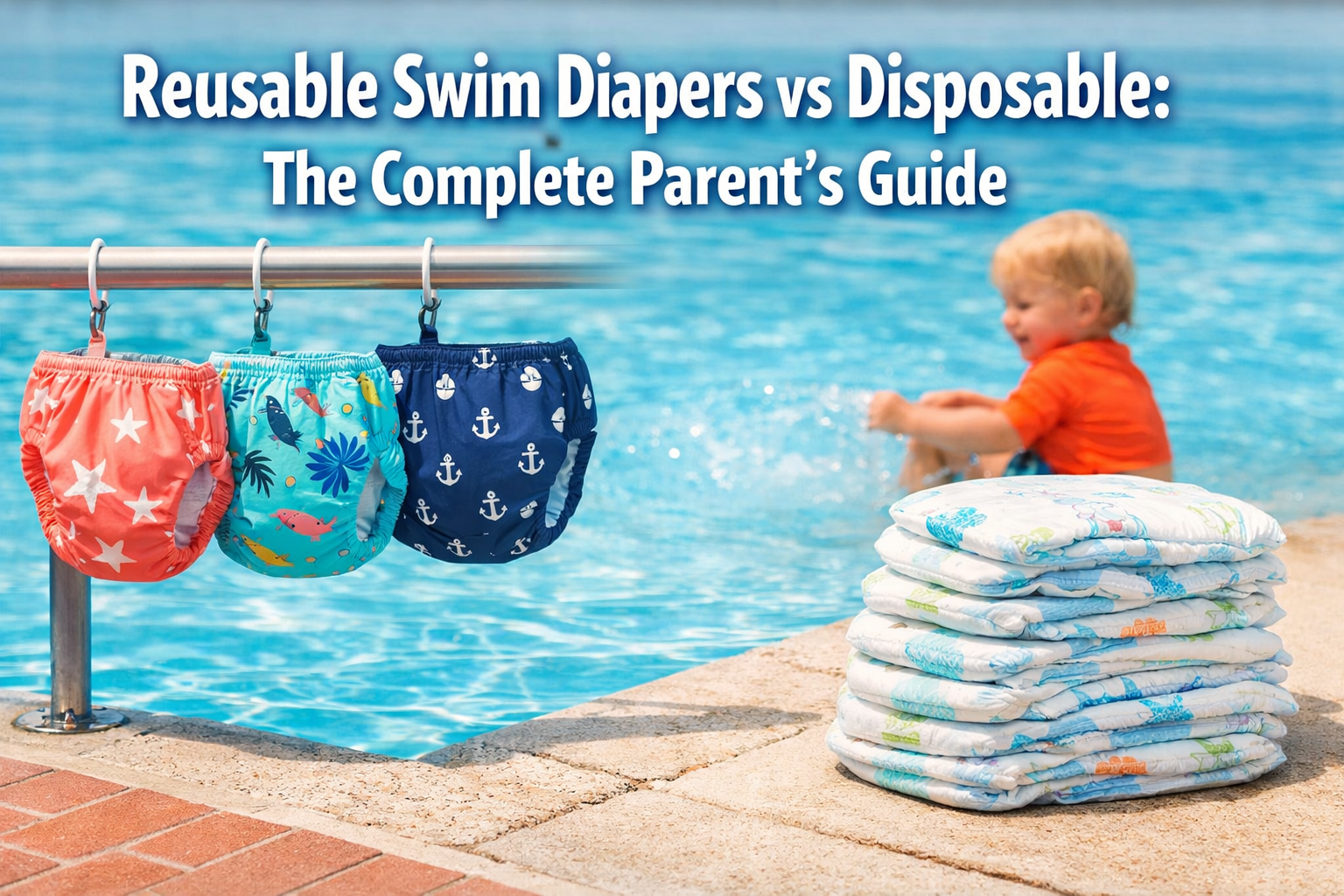
Picture this: It’s a beautiful summer morning, and you’re getting ready for your toddler’s first swimming lesson. You’ve packed the sunscreen, grabbed the towels, and then it hits you – what about swim diapers? Standing in the baby aisle, staring at rows of disposable swim diapers while remembering those cute reusable ones you saw online, you’re faced with a decision that many parents grapple with. The Reusable Swim Diapers vs Disposable debate isn’t just about convenience – it’s about finding the perfect balance between practicality, cost-effectiveness, and what works best for your family’s lifestyle.
Key Takeaways
• Cost Efficiency: Reusable swim diapers can save families $200-400 annually compared to disposables, especially for frequent swimmers
• Environmental Impact: One reusable swim diaper can replace approximately 300-400 disposable swim diapers over its lifetime
• Functionality: Both types contain solid waste effectively, but neither absorbs liquid (that’s by design!)
• Convenience Factor: Disposables offer grab-and-go ease, while reusables require washing but provide better long-term value
• Fit and Comfort: Quality reusable options often provide superior fit and comfort, reducing the risk of leaks and blowouts
Understanding Swim Diapers: The Basics
Before diving into the Reusable Swim Diapers vs Disposable comparison, it’s essential to understand what makes swim diapers different from regular diapers. Unlike traditional diapers that are designed to absorb liquids, swim diapers have one primary job: containing solid waste while allowing liquid to pass through.
This design prevents the diaper from swelling up like a water balloon in the pool, which would happen with regular diapers. Both reusable and disposable swim diapers work on this same principle, but they achieve it through different materials and construction methods.
How Swim Diapers Work
Swim diapers feature tight-fitting leg and waist elastics that create a seal around your baby’s body. The material itself doesn’t absorb pool water, chlorine, or urine, which means:
- Your child can move freely in the water
- The diaper won’t become waterlogged and heavy
- Pool filtration systems aren’t overwhelmed by absorbent materials
- Solid waste is contained, protecting other swimmers
Most public pools and swim facilities actually require swim diapers for non-potty-trained children, making this decision unavoidable for parents who want to enjoy water activities with their little ones.
The Case for Reusable Swim Diapers
Reusable swim diapers have gained significant popularity among eco-conscious parents and those looking for long-term savings. Made from materials like polyester, nylon, or specialized swim fabrics, these diapers are designed to last through multiple children and countless swim sessions.
Financial Benefits That Add Up
The math on reusable swim diapers is compelling. A quality reusable swim diaper typically costs between $15-25, while disposable swim diapers range from $0.50-1.00 each. For families who swim regularly – whether it’s weekly lessons, frequent pool visits, or beach vacations – the savings accumulate quickly.
Sarah, a mother of twins from Florida, shares her experience: “We live near the beach and have a community pool. My twins were in swim diapers almost daily during summer. After spending $60 in one month on disposables, I invested in four reusable swim diapers for $80 total. They lasted through both kids and saved us hundreds of dollars.”
Environmental Considerations
From an environmental perspective, reusable swim diapers significantly reduce waste. Consider that a single reusable swim diaper can replace hundreds of disposable ones over its lifetime. For environmentally conscious families, this reduction in landfill waste is a major deciding factor.
The manufacturing impact also differs substantially. While reusable diapers require more resources upfront, their extended lifespan means a lower overall environmental footprint compared to the continuous production and disposal of single-use alternatives.
Comfort and Fit Advantages
Many parents report that reusable swim diapers provide a more comfortable, secure fit. The adjustable snaps or velcro closures allow for customization as your child grows, and the soft, stretchy materials often feel more comfortable against sensitive skin.
Quality reusable swim diapers often feature:
- Adjustable sizing that grows with your child
- Softer materials that don’t chafe or irritate
- Better leak protection due to superior fit
- Cute designs that double as swimwear
The Case for Disposable Swim Diapers
Disposable swim diapers aren’t without their merits. For many families, the convenience factor outweighs other considerations, especially for occasional swimmers or those dealing with the chaos of managing multiple children.
Unmatched Convenience
The primary advantage of disposable swim diapers is their grab-and-go convenience. There’s no pre-planning required, no washing afterward, and no worrying about forgetting to pack clean ones. This convenience is particularly valuable for:
- Spontaneous pool visits or beach trips
- Traveling families who want to pack light
- Busy parents juggling multiple responsibilities
- Occasional swimmers who don’t need regular swim gear
Hygiene and Cleanliness
Some parents prefer disposables for hygiene reasons, particularly when dealing with accidents. With disposables, contaminated diapers go straight in the trash, eliminating concerns about proper cleaning and sanitization.
Dr. Jennifer Martinez, a pediatrician, notes: “While both types are hygienic when used properly, some parents feel more comfortable with the ‘dispose and forget’ approach, especially when dealing with solid waste accidents away from home.”
No Maintenance Required
Disposable swim diapers require zero maintenance. There’s no washing, drying, or storing involved. For parents already overwhelmed with laundry, this can be a significant relief. You simply use them once and throw them away.
Detailed Comparison: Reusable Swim Diapers vs Disposable
Let’s break down the key factors that influence the Reusable Swim Diapers vs Disposable decision:
Cost Analysis
| Factor | Reusable | Disposable |
|---|---|---|
| Initial Investment | $15-25 per diaper | $0.50-1.00 per use |
| Annual Cost (frequent use) | $60-100 (3-4 diapers) | $200-400+ |
| Cost per Use (after 1 year) | $0.25-0.50 | $0.50-1.00 |
| Multi-child Value | Excellent | None |


- HELPS CONTAIN MESS: Pampers Splashers swim diapers are designed to help contain mess
- DESIGNED FOR WATER FUN: Pampers Splashers disposable swim diapers are perfect for all water activities
- NO SWELLING: Splashers don’t swell in water, providing a comfortable fit wet or dry

- HELPS CONTAIN MESS: Pampers Splashers swim diapers are designed to help contain mess
- DESIGNED FOR WATER FUN: Pampers Splashers disposable swim diapers are perfect for all water activities
- NO SWELLING: Splashers don’t swell in water, providing a comfortable fit wet or dry
Environmental Impact
Reusable swim diapers win decisively in environmental impact:
- ♻️ One reusable diaper replaces 300-400 disposables
- 🌱 Reduced manufacturing waste over time
- 🌊 Less plastic waste in landfills and oceans
- 📦 Minimal packaging compared to disposable multipacks
Disposable swim diapers have a larger environmental footprint:
- 🗑️ Single-use plastic waste
- 🏭 Continuous manufacturing requirements
- 📦 Excessive packaging materials
- ⏰ Longer decomposition time in landfills
Convenience and Practicality
The convenience factor varies significantly based on your family’s lifestyle:
Reusable Advantages:
- Always available when you own several
- No last-minute store runs
- Better for extended trips (no running out)
- Can double as regular underwear for potty training
Disposable Advantages:
- No washing or maintenance
- Perfect for travel (lighter packing)
- Ideal for occasional use
- No risk of forgetting clean ones
Performance and Effectiveness
Both types perform their primary function – containing solid waste – effectively when properly fitted. However, there are some performance differences:
Leak Protection: Quality reusable swim diapers often provide superior leak protection due to better fit customization and higher-quality elastic materials.
Durability: Reusable diapers maintain their shape and elasticity better throughout a swim session, while disposables may loosen with extended water exposure.
Comfort: Many children find reusable swim diapers more comfortable, especially during longer swim sessions.
Choosing the Right Option for Your Family
The Reusable Swim Diapers vs Disposable decision ultimately depends on your family’s specific circumstances, values, and lifestyle. Here are some scenarios to help guide your choice:
Choose Reusable If You:
- 🏊♀️ Swim frequently (more than once per week)
- 💰 Want long-term savings and don’t mind the upfront investment
- 🌍 Prioritize environmental responsibility
- 👶 Have multiple children who will use them
- 🏠 Don’t mind doing extra laundry
- 🎯 Want better fit and comfort for your child
Choose Disposable If You:
- 🏖️ Swim occasionally or seasonally
- ✈️ Travel frequently and prefer lighter packing
- ⏰ Value maximum convenience over cost savings
- 🧼 Prefer minimal maintenance and cleanup
- 🛒 Don’t want upfront investment in swim gear
- 👥 Are trying swim diapers for the first time
Popular Brands and Products
Understanding the market options can help inform your Reusable Swim Diapers vs Disposable decision. Here’s what parents are choosing:
Top Reusable Swim Diaper Brands
iPlay: Known for excellent fit and durability, iPlay swim diapers feature UPF 50+ sun protection and come in adorable patterns. They’re machine washable and maintain their shape well over time.
Beau & Belle Littles: These swim diapers offer adjustable sizing and are praised for their leak-proof design. They’re particularly popular among cloth diaper families who want consistency in their diaper routine.
Alvababy: A budget-friendly option that doesn’t compromise on quality. These swim diapers are highly rated for their secure fit and cute designs.
Leading Disposable Swim Diaper Brands
Huggies Little Swimmers: The market leader in disposable swim diapers, offering reliable containment and easy-tear sides for quick changes.
Pampers Splashers: Known for their secure fit and fun designs, these are popular among parents who prioritize brand reliability.
Honest Company: A more eco-conscious disposable option, featuring plant-based materials while maintaining the convenience of disposables.
For parents interested in exploring more about reusable diaper options, there are comprehensive guides available that cover various aspects of cloth and reusable diapering.
Care and Maintenance Tips
Proper care significantly impacts the performance and longevity of reusable swim diapers, making them more cost-effective in the Reusable Swim Diapers vs Disposable comparison.
Cleaning Reusable Swim Diapers
Immediate Care:
- Rinse immediately after use to remove chlorine and salt water
- Remove any solid waste promptly
- Don’t let them sit wet for extended periods
Washing Instructions:
- Use cold or warm water (avoid hot water which can damage elastic)
- Use mild, chlorine-free detergent
- Avoid fabric softeners which can reduce absorbency and damage materials
- Add white vinegar occasionally to remove chlorine buildup
Drying Tips:
- Air dry when possible to preserve elastic and fabric
- Avoid high heat in the dryer
- Ensure complete drying to prevent mold and mildew
Storage and Organization
Proper storage extends the life of reusable swim diapers:
- Store completely dry diapers in a breathable container
- Keep them with other swim gear for easy access
- Consider having a dedicated diaper bag section for swim gear
Similar to regular cloth diapers, proper care prevents issues like diaper rash and extends the product’s lifespan.
Real Parent Experiences and Stories
Understanding real-world experiences helps illuminate the practical aspects of the Reusable Swim Diapers vs Disposable decision.
The Frequent Swimmer Family
Maria’s Story: “With three kids under five and a backyard pool, we were going through 15-20 disposable swim diapers per week during summer. The cost was astronomical! I invested in 8 reusable swim diapers – two for each child plus extras. The initial $160 investment seemed steep, but we saved over $300 that first summer alone. Plus, the kids love the fun patterns, and I love not running out unexpectedly.”
The Occasional Beach-Goer
David’s Experience: “We live inland and only get to the beach a few times each summer. For us, disposables make perfect sense. I can grab a pack when we’re planning a beach trip, and I don’t have to worry about sandy, wet diapers on the drive home. The convenience factor is worth the extra cost for our usage pattern.”
The Eco-Conscious Family
Jennifer’s Journey: “Environmental impact was our primary concern. We calculated that our daughter would use approximately 400 swim diapers over two summers. That’s a lot of waste! We bought four reusable swim diapers and haven’t looked back. They’ve lasted through potty training and will be ready for our next baby.”
The Travel-Heavy Family
Mike’s Perspective: “We travel constantly for work and pleasure. Disposables are a lifesaver when you’re packing for a family of four in carry-on luggage. I can buy them at our destination and not worry about wet, dirty diapers in our luggage on the return trip. For us, the convenience outweighs everything else.”
Making the Switch: Transition Tips
Some families find that their needs change over time, leading them to reconsider their Reusable Swim Diapers vs Disposable choice.
Transitioning to Reusable
If you’re moving from disposable to reusable swim diapers:
- Start with 2-3 reusable diapers to test the waters
- Choose adjustable styles that will grow with your child
- Establish a washing routine before you need it urgently
- Keep one disposable as backup until you’re confident in your routine
Trying Disposables
If you want to test disposables after using reusable:
- Buy small packs initially to test different brands
- Try them for travel or special occasions first
- Compare costs based on your actual usage patterns
- Consider hybrid approach using both as needed
Cost Calculator for Swim Diapers
Safety Considerations
Safety should be a primary concern regardless of your Reusable Swim Diapers vs Disposable choice. Both types of swim diapers are designed with safety in mind, but there are important considerations for parents.
Proper Fit is Critical
Regardless of which type you choose, ensuring a proper fit is essential for both safety and effectiveness:
- Leg openings should be snug but not tight enough to leave marks
- Waist band should sit comfortably without gaps
- Size appropriately – too large allows leaks, too small restricts movement
- Check fit regularly as babies grow quickly
Pool Safety Reminders
Swim diapers are just one component of water safety:
- 👀 Constant supervision is essential regardless of diaper type
- 🏊♀️ Swimming lessons should start early
- 🦺 Flotation devices should be Coast Guard approved
- 🚫 Never rely on swim diapers as a safety device
Hygiene Best Practices
Both reusable and disposable swim diapers require proper hygiene practices:
- Change immediately after any accidents
- Clean hands thoroughly before and after diaper changes
- Dispose of waste properly in designated facilities
- Follow pool rules regarding swim diapers and cleanliness
For parents dealing with sensitive skin issues, understanding cloth diaper rash prevention can be helpful for swim diaper selection as well.
Special Considerations for Different Ages
The Reusable Swim Diapers vs Disposable decision may change as your child grows and develops.
Infants (0-12 months)
For babies under one year:
- Frequent size changes may favor disposables initially
- Sensitive skin might benefit from reusable options with softer materials
- Limited mobility makes either option equally effective
- Cost considerations depend on swimming frequency
Toddlers (1-3 years)
For active toddlers:
- Better fit from adjustable reusables becomes more important
- Increased activity requires more secure containment
- Potty training may make reusables more appealing as “big kid” underwear
- Independence in changing may favor easy-tear disposables
Preschoolers (3+ years)
For older children still needing swim diapers:
- Self-consciousness about diapers may favor more underwear-like reusables
- Improved motor skills allow for easier reusable management
- Established routines make maintenance less burdensome
- Environmental awareness may influence family choices
Troubleshooting Common Issues
Both reusable and disposable swim diapers can present challenges. Here’s how to address common problems:
Sizing Problems
Too Loose:
- Try a smaller size or adjust snaps/velcro
- Check that leg elastics aren’t stretched out (reusables)
- Ensure proper positioning around waist and thighs
Too Tight:
- Size up or loosen adjustable features
- Check for red marks after swimming
- Consider different brands with different fits
Leak Issues
Solid Waste Leaks:
- Verify proper fit around legs and waist
- Change immediately when soiled
- Consider double-diapering for heavy wetters
Poor Containment:
- Check elastic integrity (especially in reusables)
- Ensure diaper isn’t too old or worn out
- Try different brands or styles
Comfort Complaints
Chafing or Irritation:
- Check for proper fit – not too tight or loose
- Try different materials or brands
- Apply barrier cream if needed
- Consider diaper rash causes for persistent issues
The Hybrid Approach
Many families discover that the Reusable Swim Diapers vs Disposable debate doesn’t require an all-or-nothing decision. A hybrid approach can offer the best of both worlds:
When to Use Each Type
Use Reusables For:
- Regular swimming lessons or pool visits
- Home pool use
- Extended beach days
- Budget-conscious periods
Use Disposables For:
- Travel and vacations
- Emergency backup situations
- Trying new pools or facilities
- Times when washing isn’t convenient
Making the Hybrid Approach Work
- Keep both types stocked in your swim gear bag
- Plan ahead based on your activities
- Track costs to ensure you’re still saving money overall
- Maintain reusables properly even with occasional use
Looking Toward the Future: 2025 Trends
As we move through 2025, several trends are shaping the Reusable Swim Diapers vs Disposable landscape:
Sustainability Focus
Environmental consciousness continues to drive innovation:
- Biodegradable disposables are becoming more available
- Improved reusable materials offer better performance
- Recycling programs for disposable swim diapers are emerging
- Carbon footprint awareness influences purchasing decisions
Technology Integration
Smart features are entering the swim diaper market:
- pH-sensitive indicators that change color when soiled
- Improved elastic technology for better fit and durability
- Quick-dry materials for faster reusable diaper maintenance
- Antimicrobial treatments for enhanced hygiene
Economic Factors
Economic considerations remain important:
- Rising disposable costs make reusables more attractive
- Improved reusable quality justifies higher upfront costs
- Subscription services for both types offer convenience
- Second-hand markets for reusables provide budget options
Expert Recommendations
Leading pediatricians, environmental scientists, and parenting experts weigh in on the Reusable Swim Diapers vs Disposable debate:
Pediatric Perspective
Dr. Sarah Chen, Pediatrician: “From a health standpoint, both options are safe when used properly. The key is ensuring a good fit and changing promptly after accidents. I often recommend that parents choose based on their lifestyle and values rather than health concerns, as both types perform their primary function effectively.”
Environmental Expert Opinion
Dr. Mark Rodriguez, Environmental Scientist: “The environmental impact difference is significant. While manufacturing reusable swim diapers does require resources, the long-term environmental benefit is clear. One reusable diaper can prevent hundreds of disposables from entering landfills.”
Parenting Coach Insights
Lisa Thompson, Certified Parenting Coach: “I encourage parents to consider their entire family system. If the stress of maintaining reusables outweighs the benefits, disposables might be better for that family’s mental health. The ‘perfect’ choice is the one that works for your specific situation.”
Conclusion
The Reusable Swim Diapers vs Disposable decision is deeply personal and depends on multiple factors unique to each family. Both options effectively serve their primary purpose of containing solid waste while allowing children to enjoy water activities safely.
Reusable swim diapers excel in long-term cost savings, environmental impact, and often provide superior comfort and fit. They’re ideal for families who swim regularly, prioritize sustainability, or want to maximize their investment over multiple children.
Disposable swim diapers shine in convenience, travel-friendliness, and minimal maintenance requirements. They’re perfect for occasional swimmers, busy families, or those who value grab-and-go simplicity.
The most important factors in your decision should be:
- Your swimming frequency and lifestyle patterns
- Budget considerations both short and long-term
- Environmental values and priorities
- Convenience requirements based on your family’s needs
- Your child’s comfort and any specific sensitivities
Remember that this choice isn’t permanent – many families successfully use both types or switch between them as circumstances change. The key is making an informed decision based on accurate information and your family’s unique needs.
Your Next Steps
- Assess your swimming habits honestly – how often do you really swim?
- Calculate the costs using your actual usage patterns
- Consider your values regarding environment and convenience
- Try both options if you’re unsure – many stores offer return policies
- Connect with other parents in your community for real-world insights
- Start with a small investment and adjust as you learn what works
Whether you choose reusable, disposable, or a combination of both, the most important thing is that your child can safely enjoy water activities while you feel confident in your choice. The perfect swim diaper is the one that works for your family’s unique situation and allows everyone to focus on making wonderful water memories together.
For more information about reusable diaper options and comprehensive guides to help with your parenting journey, explore additional resources that can support your decision-making process.