The Ultimate Guide to Reusable Diapers:
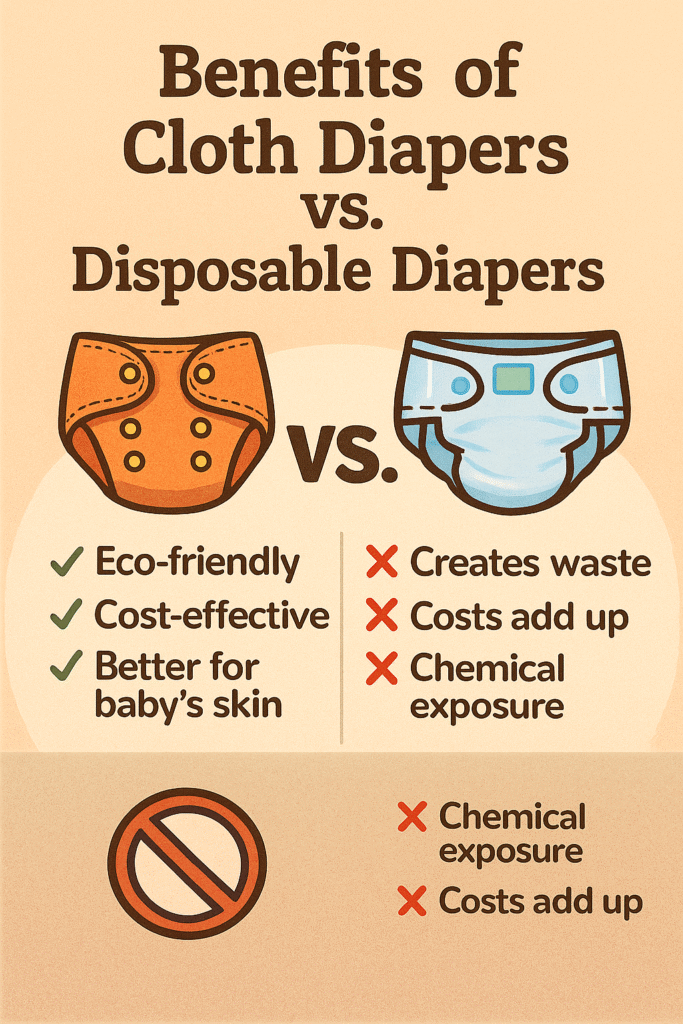
I remember the first time I seriously considered cloth diapers. I was standing in the baby aisle at Target, staring at a $45 box of disposables that would last maybe two weeks, and thinking there had to be a better way.
My wallet was crying, and I was already exhausted just thinking about how many more trips I’d be making to this exact spot over the next few years.
The problem was, every time I mentioned cloth diapers to someone, I got one of two reactions. Either enthusiastic evangelism about saving the planet from people who made it sound like I’d be personally responsible for melting the polar ice caps if I didn’t immediately switch, or horror stories about poop-covered hands and endless laundry from people who seemed traumatized by the whole experience.
Neither of these reactions captures what modern cloth diapering actually looks like. This genuinely isn’t your grandmother’s safety-pinned squares of fabric, though those still work if that’s your thing and I’m not judging.
Today’s reusable diaper industry spans from $5 budget options to $40 luxury brands, from simple prefolds to sophisticated all-in-one systems that work basically like disposables. What I’ve learned through researching this extensively and talking to hundreds of parents is that cloth diapering can work brilliantly for some families and be a complete disaster for others.
The difference often comes down to factors nobody talks about in the glossy Instagram posts showing perfectly styled nurseries with coordinated diaper stacks.
The reusable diaper market has exploded over the past decade. Brands like Esembly are positioning themselves as the premium choice for design-conscious millennials who want to reduce their environmental impact but find traditional cloth diapering culture a bit off-putting.
Companies like GroVia offer versatile systems for practical-minded parents who want flexibility.
Budget brands like Alva Baby make cloth diapering accessible to families who couldn’t otherwise afford the upfront investment. Each serves genuinely different needs, and understanding those differences matters more than finding the single “best” brand that some blogger swears by.
Here’s what nobody tells you upfront. Cloth diapering involves real trade-offs that you need to understand before you spend hundreds of dollars on a stash.
You’ll save money over time, but you’ll spend hours washing and prepping.
You’ll reduce landfill waste, but you’ll use thousands of gallons of water. You’ll avoid disposable chemicals, but you might int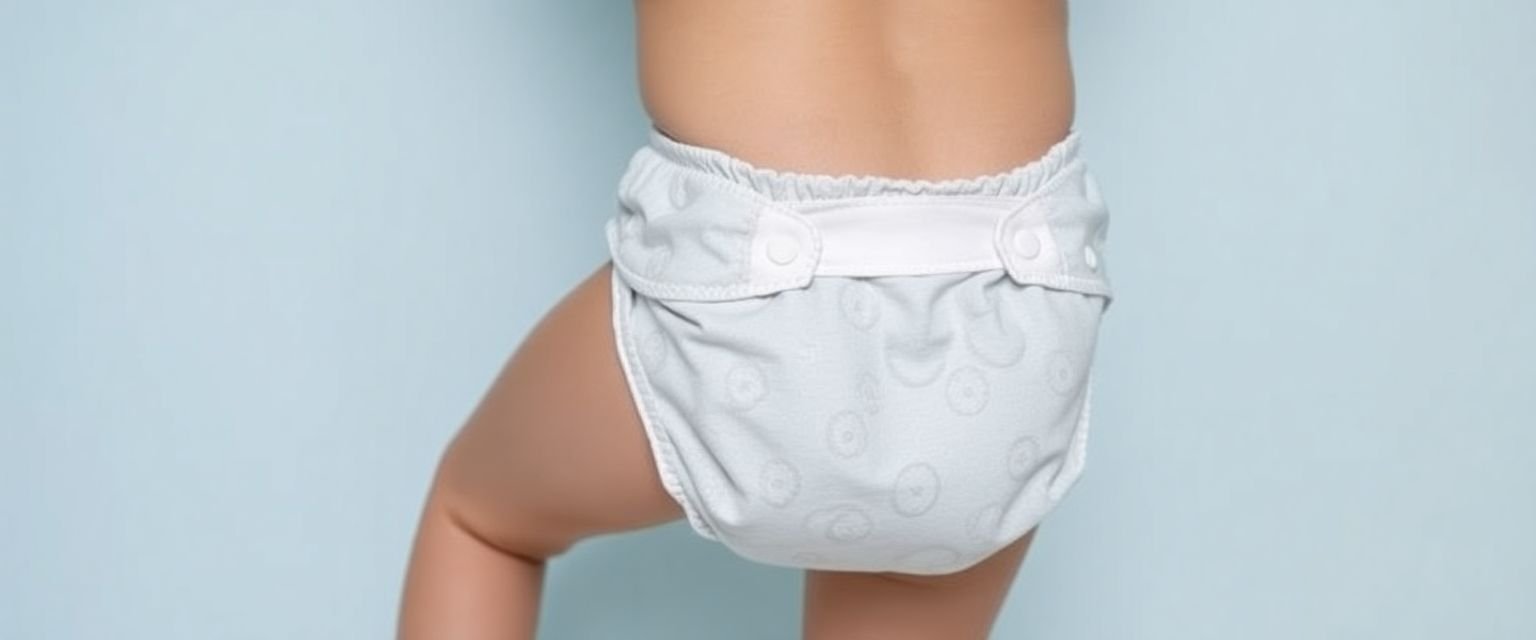 roduce microplastic pollution from synthetic materials.
The environmental superiority everyone assumes is actually pretty nuanced when you look at lifecycle assessments, and I’m going to share the uncomfortable parts that cloth diaper advocates often skip over.
I’m going to walk you through everything you actually need to know about reusable diapers. We’ll cover the different systems, from understanding how they work to troubleshooting the problems that make parents quit.
We’ll look at the brands that dominate the market, the materials that work and those that don’t, and the washing routines that separate success from frustration.
Most importantly, I’ll tell you the uncomfortable truths that cloth diaper communities often gloss over because they don’t fit the narrative.
Understanding Modern Cloth Diaper Systems
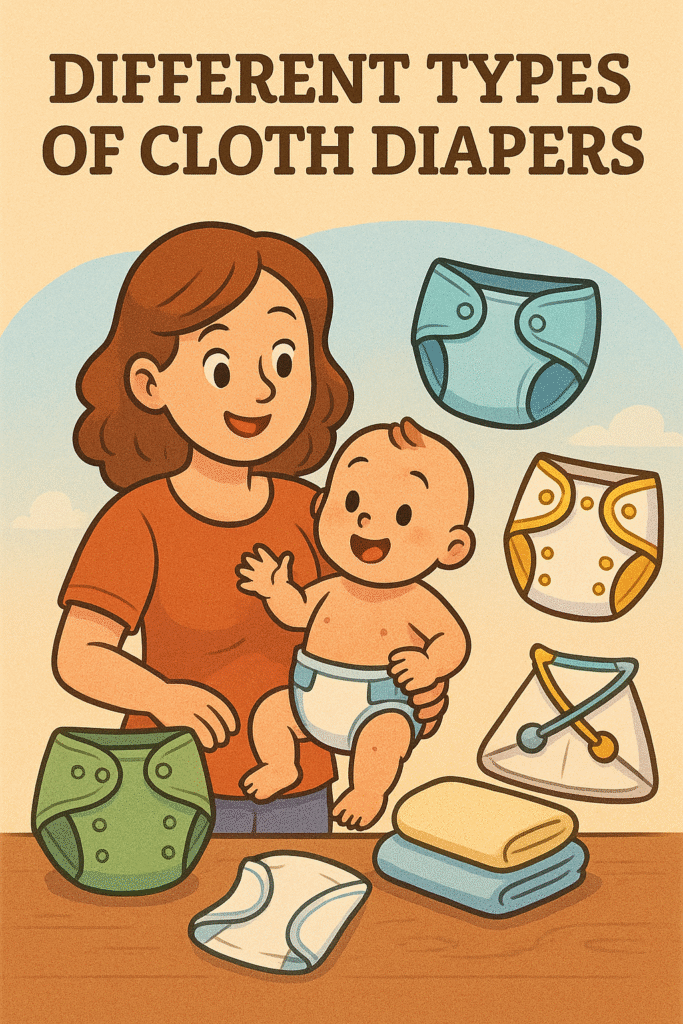
The first thing you need to understand is that “cloth diapers” isn’t really one thing anymore. The market has evolved into distinct systems that function completely differently from each other.
Choosing the wrong system for your situation is the fastest way to end up back in disposables within a month, frustrated and convinced that cloth diapering just doesn’t work.
All-in-One Diapers
All-in-one diapers are the closest thing to disposables in the cloth world. Everything is sewn together into one piece.
The absorbent layers, the waterproof exterior, the whole system.
You put it on your baby, take it off when it’s wet or soiled, and throw it in the wash. There’s no stuffing pockets, no inserting layers, no snapping components together.
If you have a partner who’s skeptical about cloth diapering, or grandparents who need to babysit, or daycare that’s reluctant to deal with complicated systems, AIOs are your best shot at getting buy-in. The simplicity factor really cannot be overstated here. When everything looks and functions basically like a disposable diaper, people who initially resisted the idea are much more likely to actually use them.
Brands like Esembly have really capitalized on this simplicity angle. Their marketing targets parents who want to reduce waste but find traditional cloth diapering intimidating or aesthetically unappealing.
They’ve created a whole brand identity around making cloth diapering feel modern and accessible as opposed to crunchy or alternative.
The Esembly system uses raised silicone “petals” inside the diaper that supposedly keep baby’s skin drier by creating space between skin and wet fabric. At $30-40 per diaper, you’re paying a premium for design and simplicity.
Whether that premium is worth it depends entirely on your priorities and budget.
The trade-off with AIOs is drying time, and this is really significant. Because all those absorbent layers stay attached to the waterproof she’ll, you’re looking at 4-6 hours in the dryer or potentially 12-24 hours hanging on a line, depending on your climate and humidity levels.
This means you need a larger stash to maintain rotation during your washing cycle.
If you’re washing every three days and drying takes a full day, you need enough diapers to cover four days least. For full-time cloth diapering, that’s probably 30-36 diapers.
At $30-40 each, the math gets really expensive really fast.
The Thirsties Natural AIO represents a different approach in this category. Instead of synthetic stay-dry layers against baby’s skin, they use natural fibers like hemp and cotton.
This appeals to parents who are concerned about synthetics touching their baby’s skin all day.
The natural fiber construction adds bulk and increases drying time even more than standard AIOs. It also means babies feel wetness more directly, which some parents claim helps with potty training awareness but definitely means more frequent changes throughout the day.
Pocket Diapers
Pocket diapers changed the game when they were introduced in the late 1990s. The design is genuinely clever.
There’s an opening, usually at the back of the diaper, where you stuff absorbent inserts before use.
The interior layer against baby’s skin is typically a stay-dry material like microfleece or suedecloth that wicks moisture away quickly. The exterior is waterproof PUL or TPU fabric.
During washing, the inserts usually agitate out of the pocket on their own, so you don’t have to unstuff them before throwing them in the washer.
The huge advantage with pocket diapers is customization. Your newborn needs less absorbency than your toddler.
Daytime needs differ from overnight.
Heavy wetters need more layers than average babies. With pocket diapers, you adjust the inserts to match the situation.
You can use one thin insert for quick daytime changes, or stuff three thick layers for overnight marathons.
This flexibility means pocket diapers can genuinely grow with your child and adapt to changing needs.
GroVia doesn’t actually make traditional pocket diapers because they specialize in AI2 systems, but brands like bumGenius built their entire reputation on pockets. The bumGenius 5.0 is basically the Honda Civic of cloth diapers.
It’s reliable, affordable at $18-22, and widely recommended for beginners.
You get consistent quality without the premium price tag or the durability concerns that come with budget brands.
The reality with pocket diapers is that they need preparation time. After washing and drying, you need to stuff all those inserts back into pockets.
For a full load of diapers, this takes 5-10 minutes.
Some parents find this meditative, sitting on the couch folding laundry and stuffing pockets while watching TV. Others find it tedious enough to quit cloth entirely.
If you know you’ll resent this step, if you’re already overwhelmed with laundry and household tasks, pockets probably aren’t your best choice.
Drying time is much better than AIOs because the components separate. Inserts dry in 60-90 minutes typically, and the shells dry even faster since they’re just thin waterproof layers with stay-dry fabric.
This faster turnaround means you can maintain a full-time cloth diaper routine with fewer total diapers.
You might only need 20-24 pocket diapers for full-time use compared to 30-36 AIOs.
All-in-Two Systems
AI2 systems separate into two components. A waterproof she’ll and an absorbent insert that snaps or lays inside the she’ll.
The innovative aspect is that shells can be reused many times if they stay clean and dry.
You just swap out the wet insert for a fresh one and reuse the she’ll. This continues until the she’ll gets soiled or wet, then you wash it with your regular diaper laundry.
This is GroVia’s specialty, and it’s a big part of why they’ve maintained strong market position despite intense competition. Their shells run $18-22, and they offer both snap-in inserts that secure firmly and lay-in options that work with any cover but can shift during wear.
The genius of the system is that you only need 4-6 shells with 12-18 inserts for full-time diapering.
This dramatically reduces the upfront investment compared to other systems where you need 20-30 complete diapers.
Esembly technically offers an AI2 system, though their marketing doesn’t emphasize this categorization. Their “Outers” are the shells and their “Inners” are the absorbent inserts.
They function the same way as GroVia’s system, but with that premium aesthetic and higher price point.
The raised petal design inside the Outers creates the stay-dry effect without extra synthetic liners against baby’s skin.
The challenge with AI2 systems is making judgment calls about she’ll reuse. When is a she’ll too wet or soiled to reuse?
There’s no objective standard here.
Different parents have different comfort levels. Some parents reuse shells 2-3 times per day without issue.
Others change them with every diaper change, which eliminates the main advantage of the system.
You have to figure out what works for you through trial and error, and what works might change as your baby grows and produces more urine.
Assembly at change time presents another hurdle. Unlike pockets where you prep everything in advance, with AI2s you’re inserting and potentially snapping components while dealing with a squirming baby who really wants to roll over and crawl away.
This becomes easier with practice, but the learning curve deters some parents.
It particularly deters partners or caregivers who didn’t choose the system and find it confusing compared to the simplicity of disposables.
Fitted Diapers with Covers
Fitted diapers are entirely absorbent with no waterproof layer built in. They’re shaped like diapers with elastic at the legs and waist, but they’re made completely from absorbent materials. You wear them under separate waterproof covers.
These excel for overnight because they can be made completely from highly absorbent natural fibers without worrying about how aggressive washing will affect waterproofing layers.
The absorbency potential is genuinely unmatched. A quality fitted diaper might have 6-8 layers of hemp/cotton blend in the core area, creating what parents affectionately call “night bricks.” Your toddler can sleep 12+ hours without leaks, but they’ll also be wearing what amounts to a small pillow between their legs. Pajamas need to be sized up significantly to accommodate the bulk.
Brands like Workhorse have built cult followings specifically for their overnight fitted diapers. The Workhorse Rambler Night model costs $25-30, and you need a separate cover adding another $12-20.
That’s $37-50 per complete overnight diaper setup.
But parents who’ve dealt with many 3am sheet changes from overnight leaks will tell you it’s worth every single penny. The peace of mind knowing your toddler can sleep through the night without waking up soaked is genuinely priceless.
The bulk is the obvious trade-off. Fitted diapers are the fluffiest option available.
The bulk sometimes affects what clothing fits or whether car seat straps adjust properly.
During summer months, that much fabric between baby’s legs can cause overheating and discomfort. These are genuinely better suited for specific situations, mainly overnight, as opposed to all-day use unless you really don’t care about bulk.
Drying time rivals AIOs since the entire diaper is absorbent material without any thin components that dry quickly. Line drying can take 12-18 hours depending on humidity.
Machine drying takes 2+ hours on high heat.
You need at least 3-4 fitted diapers for overnight rotation if you’re washing every 2-3 days.
Wool covers represent traditional technology experiencing a modern renaissance when paired with fitted diapers. Wool naturally absorbs moisture up to 30% of its weight while still feeling dry to the touch.
Lanolin treatment creates water resistance on the fiber surfaces.
The breathability is superior to any synthetic material, making wool covers particularly valuable for overnight use in various climates. Your baby doesn’t get that hot, swampy feeling that can happen with PUL covers over heavily stuffed overnight diapers.
The maintenance requirement is different though, and this is where many parents decide wool isn’t worth it. Wool shouldn’t be washed with regular diaper laundry.
Instead, you hand wash every 2-4 weeks with wool-specific detergent, then treat with lanolin to maintain water resistance.
This extra care routine deters many parents despite wool’s genuine advantages. You have to decide whether the benefits outweigh the extra maintenance work.
Prefolds and Flats with Covers
This is the most traditional and economical option available. Prefolds are rectangular pieces of absorbent fabric with extra layers sewn down the middle.
Flats are single-layer squares of fabric.
You fold them into the shape you need, secure with pins or Snappis, which are pronged fasteners that grip the fabric, and cover with a waterproof she’ll.
The economic advantage is substantial and really cannot be overstated. Quality prefolds cost $2-3 each. A dozen prefolds with 4-5 covers provides full-time diapering for under $100.
For families genuinely struggling financially, this makes cloth diapering accessible in ways that $800 Esembly stashes simply don’t.
The cost difference is genuinely life-changing for some families.
Durability is exceptional. Prefolds have no elastic to wear out, no snaps to break, no waterproofing to delaminate.
They survive years of hot washing and aggressive bleaching without meaningful degradation.
After diapering is done, they become cleaning rags, burp cloths, or kitchen towels. The same prefolds can diaper many children across a decade without losing functionality.
I’ve talked to parents using prefolds that are literally 15 years old and still working perfectly.
The skill requirement is the barrier that keeps most modern parents away. Folding and securing takes practice and adds time to each diaper change.
Most people find this archaic and intimidating when they’re used to disposables.
YouTube tutorials help, but there’s still a learning curve. You’ll fumble with pins or Snappis while your baby tries to roll away.
You’ll fold things wrong and have gaps that leak.
This learning period sends some parents straight back to easier systems.
There’s also no stay-dry layer unless you add fleece liners, so babies feel wetness immediately. Proponents argue this aids potty training by creating immediate feedback about elimination.
Critics say it just makes babies uncomfortable and increases the frequency of diaper changes.
The research is honestly mixed on whether cloth-diapered children potty train earlier, with too many confounding variables to draw clear conclusions. Parents who choose cloth might also be more motivated to potty train earlier, creating correlation without causation.
Within natural parenting communities, prefolds often carry status as the “purest” choice. They reject modern convenience for simplicity and sustainability.
This can create gatekeeping where new parents feel judged for choosing more convenient options.
I’ve seen online discussions where parents using prefolds look down on those using pockets or AIOs as not being committed enough to environmental principles. The reality is that prefolds work great for some families and are completely impractical for others.
Both outcomes are perfectly valid.
Esembly: Premium Positioning and Modern Aesthetics
Esembly launched in 2018 with a clear target demographic. Millennial parents who want to reduce environmental impact but find traditional cloth diapering culture off-putting.
The company’s entire brand identity revolves around design, simplicity, and premium quality as opposed to the granola-mom stereotypes that have historically surrounded cloth diapering.
The core system consists of Outers, which are the shells, at $30-40 each and Inners, which are the absorbent inserts sold in packs. The distinctive design feature is those raised silicone petals inside the Outers.
These create air space between baby’s skin and the wet insert underneath.
It’s a clever middle ground between stay-dry synthetic linings that wick moisture away and natural fibers that sit directly against skin and let babies feel wetness.
The color palette tells you everything about their target demographic. Instead of bright cartoon characters or busy patterns common in budget brands, Esembly offers muted whites, grays, and soft pastels.
The aesthetic matches Instagram minimalist nurseries and coordinated baby gear collections.
This is cloth diapering for people who care about how things look in photos. That might sound superficial, but aesthetics genuinely matter to some parents, and there’s nothing wrong with wanting baby products that look nice.
The price positioning is deliberately premium. A “starter kit” runs $250-350 depending on which package you choose.
The company argues this reflects superior materials, ethical manufacturing, and design innovation.
And honestly, the quality is genuinely good. These are well-constructed diapers using quality materials with attention to detail.
But functionally, you’re getting an AI2 system similar to what GroVia offers at roughly half the price.
You’re paying extra for the aesthetic design and the brand positioning.
The genius of Esembly’s approach is removing the intimidation factor that keeps many parents away from cloth. Their marketing never mentions “fluff,” “stripping,” or other cloth diaper jargon that confuses newcomers.
Instructions are clear and simple.
The system works basically like disposables from the user’s perspective. This accessibility has brought families into cloth diapering who would never have engaged with traditional cloth culture.
They’ve expanded the market by appealing to a demographic that before felt excluded.
Manufacturing happens overseas in facilities the company states are audited for labor and environmental standards. That transparency is notable because many cloth diaper brands obscure where products are actually made, allowing consumers to assume domestic production without explicitly claiming it.
The reality is that most cloth diapers are manufactured in China, Pakistan, or Bangladesh, regardless of where the company is based. Esembly at least acknowledges this as opposed to being vague about supply chains.
Customer reviews split into distinct camps. Enthusiasts love the aesthetic appeal, ease of use, and how the premium feel helps convince skeptical partners or daycare providers.
They report success specifically because Esembly doesn’t feel “hippie” or alternative.
Critics note that you’re paying double for what’s essentially the same functionality as mid-range brands. The premium is really just for branding and design as opposed to meaningfully superior performance.
The company has expanded into a complete ecosystem beyond just diapers. Wet bags, changing pads, diaper pails, all designed to coordinate aesthetically.
This mirrors Apple’s approach in technology.
Components are designed to work together optimally while maintaining consistent visual identity. It absolutely works from a marketing perspective, driving accessory purchases beyond the core diaper investment.
Parents who buy into the brand often end up purchasing the entire system because everything matches.
Sustainability claims deserve scrutiny though. Yes, eliminating disposable diapers reduces waste.
But shipping heavy products internationally, packaging in premium boxes, and marketing toward consumption and aesthetics somewhat contradicts environmental messaging.
The company has implemented carbon offset programs and plastic-free packaging where possible, which is genuinely better than ignoring these concerns entirely. But there’s still tension between premium consumer branding and environmental principles.
GroVia: Versatility and Practical Innovation
GroVia represents the practical middle ground in the cloth diaper market. They’re not the cheapest option, but they’re more accessible than premium brands.
They’re not the simplest system, but they’re far easier than prefolds and traditional cloth methods.
They’ve built their reputation on versatility and innovation that solves real problems as opposed to just looking good in photos.
The company pioneered the hybrid approach that genuinely changed how some families use cloth diapers. Their shells accommodate both reusable cloth inserts and biodegradable disposable inserts marketed as BioSoakers.
This flexibility addresses a major pain point that causes many families to quit cloth entirely.
There are situations where full cloth is impractical but parents still want to avoid traditional disposables.
Traveling with a toddler for a long weekend? Use BioSoakers and avoid dealing with dirty diaper storage and laundry logistics.
Baby has a stomach bug requiring constant changes and immediate disposal?
Temporarily use disposables while maintaining the same shells you’re used to. Daycare refuses cloth diapers?
Send BioSoakers that still reduce waste compared to traditional disposables while using the same covers daycare staff are familiar with.
This flexibility reduces the all-or-nothing pressure that causes some families to quit cloth entirely when they encounter challenging situations.
GroVia offers both snap-in and lay-in insert options for their AI2 system. Snap-in inserts secure firmly to the she’ll and don’t shift during wear, even with active toddlers.
But they take an extra second to snap in place during changes.
Lay-in inserts work with any cover and allow quicker changes since you just lay them in without snapping. But they can bunch or shift if baby is particularly active.
Having both options means you can choose based on specific situations as opposed to committing to one approach for everything.
The price point targets middle-income families at $18-22 per she’ll. That’s more affordable than Esembly but more expensive than budget brands like Alva Baby.
The quality justifies the cost in ways that matter for long-term use.
These shells consistently last through many children with proper care. The waterproofing rarely fails prematurely.
Elastic maintains integrity longer than cheaper alternatives.
You’re not replacing components after a year like you often have to with budget brands.
Design choices balance practicality and aesthetics. GroVia offers both colorful patterns and neutral solids, appealing to diverse preferences.
The shells are trim compared to some competitors, fitting under regular clothing without requiring size increases.
This matters more than you’d think when every baby outfit needs to accommodate diaper bulk. Being able to use regular clothing sizes instead of sizing up specifically for cloth diapers saves money and reduces wardrobe complications.
The company has faced criticism for aggressive patent enforcement. They’ve pursued smaller manufacturers claiming infringement on their snap-in soaker design, creating tension within the cloth diaper community.
The ethos tends toward collaboration over competition, with many small manufacturers sharing ideas and designs.
GroVia’s willingness to legally pursue smaller operations is viewed by some as bullying. Some customers boycott GroVia specifically because of these business practices, viewing them as contradicting the collaborative spirit of cloth diaper culture.
They do offer a recycling program where worn-out products can be mailed back for proper material processing. Participation rates appear low though, since the program requires customer initiative and shipping costs.
Most people probably just throw worn-out diapers away when they’re done with them, which means the recycling program functions more as marketing than meaningful environmental program.
The intention is good, but actual impact is likely minimal.
The hybrid system stays GroVia’s standout feature. It’s genuinely useful for families needing flexibility, and it brings people into cloth diapering who might otherwise feel it’s too restrictive.
The ability to occasionally use disposable inserts without guilt or system changes makes cloth diapering feel more manageable for families with variable schedules or support systems.
This practical innovation matters more than trendy aesthetics for many families.
Materials: Understanding What Goes Against Your Baby’s Skin
The materials used in cloth diapers matter way more than most parents realize when they’re first researching options. This goes beyond just absorbency, though that’s obviously important.
Different materials affect drying time, durability, washing requirements, environmental impact, and whether your specific baby develops rashes or sensitivity reactions.
Understanding these differences helps you make informed choices as opposed to just buying whatever has the prettiest patterns.
Cotton: The Traditional Standard
Cotton has been used for cloth diapers for generations because it simply works. It’s absorbent, it’s durable, and it actually gets more absorbent with repeated washing as the natural oils are removed and fibers swell.
Cotton prefolds stay the most economical diapering option available, with nearly unlimited lifespan when properly cared for.
I’ve talked to parents whose cotton prefolds have been through four children and are still going strong.
Organic cotton appeals to parents concerned about pesticide exposure. Conventional cotton agriculture uses substantial pesticides and herbicides, creating environmental damage during cultivation and potential residue in finished products.
Organic certification confirms those chemicals weren’t used during growing.
Whether this matters for a product not in direct food contact is debatable. The fibers are processed and washed extensively before becoming diapers.
But the environmental benefits during growing are legitimate regardless of residue concerns.
The main disadvantage with cotton is absorption speed. Cotton takes longer to absorb liquid than synthetic materials like microfiber. This creates potential for “flooding” where urine pools on the surface before being absorbed into the fabric underneath.
For heavy or quick wetters, which basically describes most toddler boys, cotton alone often isn’t adequate.
It works better as a bottom layer under faster-absorbing materials that catch the initial flood.
Durability is exceptional. Cotton tolerates hot water, bleach, and aggressive washing that would destroy synthetic materials.
You can sanitize cotton diapers using the most intensive methods necessary during yeast infection situations or stomach illnesses without worrying about material degradation.
This durability is why vintage cotton prefolds from the 1950s still function perfectly today. They’re genuinely one of those products that can last indefinitely with proper care.
Hemp: Superior Absorbency
Hemp fiber holds 4-5 times more liquid by weight than cotton. This is genuinely remarkable absorbency that makes hemp invaluable for overnight solutions and heavy wetters.
Hemp/cotton blends, typically 55% hemp and 45% cotton, balance hemp’s absorbency with cotton’s durability and cost-effectiveness.
These blends have become the gold standard for overnight inserts and heavy-wetter solutions among experienced cloth users.
Absorption speed is slow though, even slower than cotton. Hemp needs to be layered with faster-absorbing materials to prevent surface flooding.
Most experienced cloth users put microfiber or bamboo on top for quick initial absorption, with hemp underneath for capacity.
This layering strategy catches liquid quickly while storing it in high-capacity layers below. If you just use hemp alone, you’ll likely have flooding issues regardless of how much absorbency capacity stays unused.
Hemp is extraordinarily durable, potentially even outlasting cotton. It becomes softer and more absorbent with use as opposed to degrading over time.
Hemp inserts can easily last through many children without meaningful quality loss.
At $8-15 per insert compared to $3-6 for cotton, the longevity justifies the investment for overnight solutions where most absorbency matters most.
The environmental profile is strong. Hemp cultivation requires minimal pesticides or fertilizers compared to cotton.
The plant actually improves soil quality as opposed to depleting it.
Hemp grows rapidly and densely, producing more fiber per acre than cotton while using less water. From a sustainability perspective, hemp represents one of the best fiber choices available.
If environmental impact is your primary motivation for cloth diapering, hemp should be high on your list.
Bamboo Viscose: The Marketing Disconnect
Bamboo viscose is heavily marketed as eco-friendly and natural, but the reality is significantly more complicated. Bamboo plants are indeed sustainable in how they grow. They grow rapidly, need minimal agricultural inputs, and regenerate from roots after harvesting.
However, transforming bamboo into viscose fiber requires chemical-intensive processing using carbon disulfide and sodium hydroxide.
This processing involves toxic chemicals that can pollute waterways and harm workers if not properly managed.
Some viscose production facilities maintain high environmental and worker safety standards. Others have genuinely poor track records.
Consumers rarely have transparency about which specific facilities produced their bamboo diapers, so the “natural” marketing can be genuinely misleading.
You’re buying a chemically processed fiber that started from a sustainable plant source. Whether the overall environmental profile is better than cotton depends entirely on manufacturing practices you usually can’t verify.
That said, bamboo viscose performs well as a diaper material regardless of environmental complexities. Absorbency is excellent, better than cotton though not quite matching hemp.
It absorbs faster than hemp or cotton, making it effective for heavy or quick wetters.
The fiber has some natural antimicrobial properties, though this effect is limited after chemical processing. The softness appeals to many parents.
Bamboo viscose is silky and plush, feeling luxurious against baby’s skin. This softness doesn’t reduce with washing the way microfiber does.
But durability is lower than cotton or hemp. Bamboo viscose degrades more quickly, especially with aggressive washing, hot water, and bleach.
Bamboo inserts typically last 2-3 years of regular use compared to indefinite lifespan for cotton or hemp.
You’ll likely need to replace them before finishing with diapering if you have many children or a child who’s slow to potty train. The reduced lifespan affects long-term economics despite good performance.
Microfiber: Fast But Problematic
Microfiber consists of extremely fine polyester fibers creating enormous surface area relative to weight. This provides quick absorption and significant capacity at very low cost.
It’s the most common insert material in budget and mid-range pocket diapers because it costs $2-4 per insert and provides effective performance for average situations.
Absorption speed is genuinely unmatched. Microfiber wicks liquid almost instantly, preventing the flooding that can occur with natural fibers. This makes microfiber excellent for quick, heavy wetting.
Basically every toddler boy who releases what feels like gallons in seconds benefits from microfiber’s instant absorption capability.
The liquid gets pulled into the fabric before it has a chance to run off.
Compression leaks are the primary weakness. Microfiber releases liquid under pressure, so car seat compression or aggressive crawling can cause absorbed liquid to squeeze back out.
This property doesn’t affect natural fibers, which keep liquid even under significant pressure.
If you’re getting leaks during car rides despite the diaper having unused absorbency capacity, compression leaks from microfiber are probably the culprit. The solution is adding natural fiber layers underneath to catch liquid that gets squeezed out.
The material should never touch baby’s skin directly. Microfiber’s wicking property pulls moisture away from any surface it contacts, including baby’s skin. This causes dryness and irritation.
Microfiber inserts must be used inside pockets or paired with fleece liners in AI2 systems.
This requirement limits how you can use microfiber compared to natural fibers that work fine against skin.
The microplastic pollution concern is increasingly relevant and honestly concerning. Microfiber sheds microplastic particles during every wash cycle.
Each wash releases thousands of microplastic fibers too small to be filtered by most wastewater treatment facilities.
These microplastics enter waterways and eventually oceans, where they’re consumed by aquatic life and enter food chains. The long-term environmental and health impacts are still being researched, but early findings are worrying.
Parents choosing cloth for environmental reasons often don’t realize they’re contributing to microplastic pollution. This doesn’t necessarily mean microfiber is worse than disposables overall, but it does mean the environmental comparison is more nuanced than simple “reusable good, disposable bad” narratives that dominate cloth diaper marketing.
Durability is limited. Microfiber compresses and loses absorbency with use, typically degrading noticeably within 12-18 months of regular washing. The soft texture becomes rough and scratchy.
Most experienced cloth users plan to replace microfiber inserts at least once during diapering years, adding to long-term costs that aren’t obvious when you’re first buying cheap inserts.
Waterproof Layers: PUL vs TPU vs Wool
The waterproof layer prevents leaks onto clothing and furniture. Material choice significantly affects durability, washing tolerance, and breathability.
These differences matter for long-term satisfaction and diaper longevity.
PUL, polyurethane laminate, is industry standard. It consists of polyester fabric bonded to a thin polyurethane layer, creating breathable, flexible waterproofing.
Breathability differentiates PUL from old-school plastic pants.
Moisture vapor can pass through while liquid cannot, reducing heat buildup and that swampy feeling. Most modern cloth diapers use PUL for the waterproof layer.
Delamination is the primary failure mode. The polyurethane layer separates from the fabric backing over time, causing waterproofing to fail.
This typically occurs after 2-3 years of regular washing, or sooner with excessive heat or inappropriate detergents.
Washing recommendations include avoiding temperatures above 140°F and minimizing dryer use when possible. Following these guidelines extends PUL lifespan, but eventual delamination is basically inevitable with enough use.
TPU, thermoplastic polyurethane, is a newer choice gaining popularity for its durability and environmental profile. TPU tolerates higher washing temperatures without degrading and is more recyclable than PUL at end of life.
The main advantage is tolerance of hot water and sanitizing washes.
TPU handles bleach and high heat better than PUL, appealing to parents who prioritize thorough sanitization over most gentleness.
Cost is typically 20-30% higher, adding to final diaper prices. Availability is more limited since fewer brands use TPU.
Fabric options for small manufacturers are limited compared to the extensive PUL selections available.
As TPU gains market share, these limitations should improve. Early adopters pay a premium, but broader adoption will likely reduce price differences over time.
Wool represents ancient technology experiencing modern renaissance. Wool covers made from merino or other lanolin-rich sheep wool provide natural water resistance when properly treated with lanolin. The mechanism is fascinating.
Wool fibers can absorb moisture up to 30% of their weight while still feeling dry to the touch.
Meanwhile, lanolin coating creates water resistance on fiber surfaces. This combination creates effective waterproofing from completely natural materials.
Breathability is superior to any synthetic material. Wool regulates temperature naturally, keeping babies cooler in summer and warmer in winter.
The material doesn’t trap heat the way PUL or TPU can, especially with heavily stuffed overnight diapers.
Many parents report their babies sleep better in wool covers because they don’t wake up feeling hot and uncomfortable.
Maintenance differs dramatically from synthetic covers. Wool shouldn’t be washed with regular diaper laundry.
Instead, it requires periodic washing every 2-4 weeks with wool-specific detergent, followed by lanolin treatment to maintain water resistance.
This extra care requirement deters many parents despite wool’s genuine benefits. You have to honestly assess whether you’ll actually do this maintenance before investing in wool.
Cost is substantial. Quality wool covers run $25-40 each, and you need many covers for rotation while others air dry, which takes 12-24 hours typically.
However, covers can be reused many times between washes since they don’t absorb urine directly.
Only the interior diaper gets wet. A wool cover might be worn for a week before needing washing, reducing the total number you need compared to synthetic covers that get washed with every diaper load.
The Washing Routine: Where Success and Failure Actually Happen
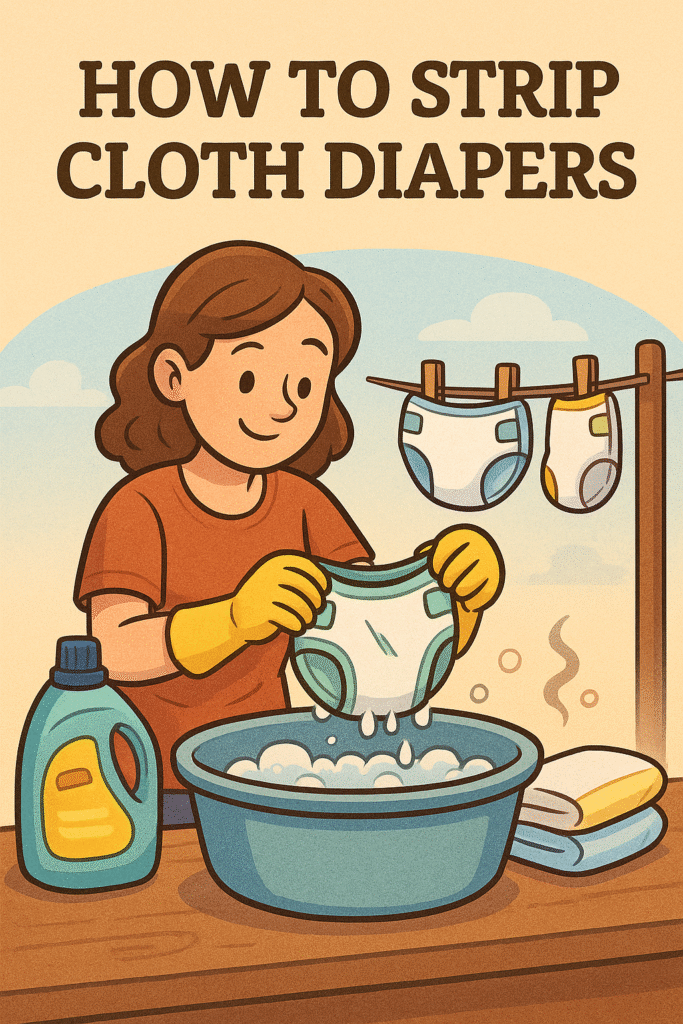
Here’s the uncomfortable truth that nobody wants to hear. Most cloth diaper failures aren’t related to the diapers themselves.
They’re related to washing routines that don’t actually clean properly.
I’ve seen parents spend hundreds on premium diapers, then ruin them with inadequate washing because they followed bad advice from Facebook groups prioritizing “natural” approaches over actual sanitation.
Water Hardness: The Variable Nobody Talks About
Water hardness, which measures mineral content in your water supply, is probably the single most important factor in washing success. Most parents don’t even know to check this variable.
Hard water, which is high in calcium and magnesium, fundamentally changes how detergent works.
Most online washing advice completely ignores this variable, giving universal recommendations that don’t account for massive regional differences.
Soft water, 0-60 parts per million, requires less detergent. Hard water, 180+ ppm or higher, requires significantly more detergent to overcome mineral interference with cleaning.
What happens in hard water is that minerals bind with detergent, creating soap scum as opposed to cleaning solution.
Parents using insufficient detergent in hard water areas are essentially washing diapers in mineral-laden water with minimal actual cleaning occurring.
This creates the buildup problems that natural parenting communities incorrectly attribute to “too much detergent” when the actual issue is too little detergent for the water hardness level. The smell issues, the repelling problems where liquid pools on the surface, the ammonia burns that create red rashes on baby’s skin, these often trace directly back to inadequate washing in hard water.
It’s not detergent buildup causing problems.
It’s insufficient cleaning allowing bacterial and urine crystal accumulation.
You can test your water hardness with simple test strips for $10-15. This should be the absolute first step before establishing any washing routine, but it’s rarely mentioned in beginner guides.
Once you know your water hardness, you can adjust detergent quantity appropriately.
Some areas need water softeners or softening additives like Borax, Calgon, or washing soda to prevent minerals from interfering with cleaning.
Many parents avoid these additives because they perceive them as “chemicals” in a negative sense. This creates a cycle of inadequate washing, buildup, and frustration.
The irony is that inadequately cleaned diapers create much harsher conditions for baby than using effective detergent and softeners.
Bacteria-laden fabric, ammonia buildup, and persistent contamination are genuinely worse than properly rinsed cleaning agents.
The Detergent Wars
“Natural” detergents dominate cloth diaper marketing despite questionable effectiveness. Brands like Rockin Green, Charlie’s Soap, and BioKleen are specifically marketed to cloth diaper users.
They typically contain minimal surfactants while avoiding enzymes, fabric softeners, and brighteners deemed “harsh” or “chemical” by natural product marketing.
Here’s the problem that nobody in natural parenting spaces wants to thank. Surfactants and enzymes are what actually clean fabric.
Surfactants lift oils and soiling from fibers.
Enzymes break down proteins and starches. Detergents lacking these components provide minimal cleaning, relying primarily on mechanical action and water temperature.
This sometimes works adequately for lightly soiled clothing but is completely inadequate for the biological contamination level in used diapers.
Mainstream detergents like Tide, Persil, and Gain containing enzymes, surfactants, and appropriate cleaning agents consistently outperform “natural” choices in cleaning tests. The reluctance to use these stems from marketing suggesting they’re “too harsh” for babies or leave harmful residues.
Neither claim is supported by evidence when proper rinsing occurs.
These detergents have been used on baby clothing for decades without widespread problems.
I’ve watched this scenario play out in online communities repeatedly. Parents use natural detergents, develop smell or rash problems, get told to strip and sanitize their diapers, temporarily fix the issue, then return to the same inadequate detergent and have problems return within weeks.
The cycle continues until someone finally suggests using actual detergent with real cleaning agents, which usually solves problems immediately and permanently.
The amount of detergent matters as much as the type. Many cloth diaper resources recommend using less detergent than manufacturer guidelines, supposedly to prevent buildup.
But modern high-efficiency detergents are formulated to need appropriate amounts because they’re concentrated. Using too little simply means inadequate cleaning.
There’s not actually enough cleaning agent present to remove contamination.
A good rule of thumb is using the amount recommended by the detergent manufacturer for heavily soiled loads, adjusted upward for water hardness. In hard water, you might need even more than the “heavily soiled” recommendation.
Yes, this contradicts most cloth diaper community advice.
But it’s what actually works for consistent sanitization over months and years.
Bleach: The Third Rail of Cloth Diaper Culture
The CDC recommends bleach for sanitizing diapers after illness or for periodic maintenance washing. Medical professionals consistently advise occasional bleach use.
Yet natural parenting communities treat bleach with near-religious horror, creating one of the starkest disconnects between medical guidance and community practice.
Bleach, sodium hypochlorite, is highly effective at killing bacteria, viruses, and fungi. A hot wash with 1/4 to 1/2 cup bleach thoroughly sanitizes diapers, removing biofilm buildup that harbors bacteria.
For families dealing with persistent yeast infections, ammonia issues that cause burns, or recovering from stomach illnesses, bleach washing is the most effective intervention available.
Nothing else sanitizes as effectively.
Concerns about bleach damaging diapers or leaving harmful residues are largely overblown when using appropriate concentrations and proper rinsing. Occasional bleach washing, monthly or quarterly, causes minimal wear compared to the damage from bacterial buildup or using inappropriate cleaning methods to avoid bleach.
The diapers will last longer with occasional bleach sanitizing than with chronic bacterial contamination.
The cultural rejection of bleach in cloth diaper communities creates situations where parents struggle with persistent problems that would be immediately solved with bleach sanitizing, but they refuse because community norms pressure them away from it. I’ve seen parents strip diapers repeatedly using time-intensive methods, try expensive “natural” sanitizing products, and deal with ongoing rashes on their babies, all to avoid using bleach once.
The baby suffers while the parent maintains ideological purity.
Bleach is a tool. Used appropriately, it maintains diaper sanitation and extends their functional life.
Refusing to use it because of ideology often results in worse outcomes for both diapers and babies.
This is an example where evidence-based practices should override community culture.
Washing Machine Considerations
The type of washing machine you have access to significantly affects cloth diaper success. Traditional top-loading machines with center agitators provide excellent cleaning through aggressive mechanical action and complete water immersion.
Unfortunately, these machines are increasingly rare as high-efficiency models dominate the market for water and energy conservation.
High-efficiency front-loading machines use dramatically less water, relying on tumbling action as opposed to agitation. This works adequately for most laundry but struggles with heavily soiled items like cloth diapers.
The diapers aren’t fully immersed in water.
Instead, they tumble through relatively small amounts of water, relying on the tumbling action and detergent contact for cleaning. This can be insufficient for removing all contamination from absorbent fabrics.
Adaptations for HE front-loaders include using hot water when possible, selecting highest soil level settings to increase water volume, and sometimes adding extra rinses. Some parents add clean towels to trick sensors into adding more water.
Despite these workarounds, many parents report noticeably better results with traditional top-loading machines when they have access to both types.
The reality is that washing machine access sometimes decides cloth diaper success regardless of everything else you’re doing right. Families using shared apartment laundry, laundromats, or older inadequate machines face genuine challenges that aren’t solvable through routine adjustments.
This creates socioeconomic disparities in cloth diaper accessibility.
Lower-income families without personal washers struggle more with cloth diapering despite needing the cost savings most desperately.
Overnight Solutions: The Real Test
If you can get through the night leak-free with cloth diapers, you can handle anything cloth diapering throws at you. Overnight is where cloth diapering gets genuinely challenging because you’re asking a diaper to contain 10-12 hours of urine without changes.
Standard daytime setups fail under these conditions.
Figuring out overnight solutions is where many families either master cloth diapering or give up entirely and switch to disposables at least for nighttime.
Understanding Overnight Absorbency
Absorbency has many dimensions that all matter overnight. Capacity means total amount absorbed. Speed means how quickly liquid is absorbed initially.
Compression resistance means retaining liquid under pressure.
You need all three working together simultaneously, and that’s significantly harder to achieve than it sounds.
Capacity requires many layers of highly absorbent materials. Single inserts that work fine during two-hour daytime changes are completely inadequate overnight.
Most successful overnight solutions involve 2-3 inserts layered together, creating substantial bulk that affects pajama fit and sometimes requires sizing up in sleepwear.
Your toddler will look genuinely fluffy.
Hemp and bamboo offer the highest capacity by weight, but they absorb slowly. If your toddler releases a large volume quickly, slow-absorbing materials can flood even with plenty of unused capacity underneath.
Liquid pools on the surface and runs off before being absorbed, causing leaks despite the diaper having adequate total capacity.
Speed matters because nighttime elimination can be heavy and sudden. Fast-absorbing materials like microfiber or bamboo should be top layers, with slower but higher-capacity materials like hemp underneath.
This layering strategy catches liquid quickly on top while storing it in high-capacity layers below.
The system works together with each layer serving a specific purpose.
Compression resistance becomes critical during sleep because toddlers roll, flip, and compress diapers against mattresses all night. Microfiber’s compression leak problem that’s manageable during daytime becomes disastrous overnight.
After hours of compression, microfiber releases stored liquid, causing mysterious leaks at 3am when the diaper should theoretically have plenty of unused capacity remaining.
Fitted Diapers as the Gold Standard
Fitted diapers made entirely from natural fibers represent the most reliable overnight solution, and honestly it’s not particularly close. The absence of stay-dry layers or waterproof components means every fabric layer contributes to absorbency.
Quality overnight fitted diapers contain 6-8 layers of hemp/cotton blend in the core area, providing genuinely enormous capacity.
Workhorse Diapers built their entire reputation specifically on overnight solutions. Their Rambler Night model is what parents affectionately call a “night brick,” which is appropriate given the size and bulk.
At $25-30 for the fitted diaper plus $12-20 for a waterproof cover, you’re looking at $37-50 per complete overnight setup.
That’s genuinely expensive. But parents who’ve dealt with many nightly sheet changes, middle-of-the-night showers, and exhausted toddlers waking up soaked will tell you it’s worth every single penny.
The bulk is substantial and unavoidable. These diapers need pajama pants 2-3 sizes larger than your toddler wears during daytime.
Sometimes even that doesn’t accommodate the volume.
Your toddler will look like they’re wearing a small pillow between their legs. This is simply the price of reliably containing 12+ hours of urine, and there’s really no way around it.
You have to decide whether leak-free nights are worth the bulk.
Drying time is significant at 12-18 hours for line drying or 2+ hours in a dryer on high heat. This means you need at least 3-4 overnight diapers for rotation if you’re washing every 2-3 nights.
The investment adds up quickly.
But remember these same diapers can be used for many children, and they often have good resale value when you’re done because overnight solutions stay in high demand.
Wool Covers: The Secret Weapon
Wool covers dramatically improve overnight reliability regardless of interior diaper choice. Honestly, I think wool is the most underutilized tool in cloth diapering.
Most parents dismiss it immediately because of maintenance requirements without understanding how much it can help with overnight challenges.
Wool’s ability to absorb 30% of its weight while remaining dry to the touch provides a critical safety margin that PUL or TPU simply cannot match. When interior diapers become saturated, wool absorbs the overflow before it leaks onto sheets.
The wool exterior stays dry to the touch even with interior wetness, giving you a buffer zone that prevents those 3am disasters that destroy parents’ commitment to nighttime cloth diapering.
The breathability also reduces the hot, swampy feeling that can occur with synthetic covers over heavily-stuffed overnight diapers. Toddlers often sleep more comfortably in wool, potentially reducing nighttime wake-ups from discomfort.
Parents report their children sleep better in wool covers compared to PUL, though obviously individual experiences vary.
The maintenance trade-off is legitimate though. Wool covers need hand washing every 2-4 weeks with wool-specific detergent, followed by lanolin treatment to maintain water resistance.
This is genuinely more work than throwing synthetic covers in with regular laundry.
You have to decide whether the benefits outweigh the extra effort. For families struggling with overnight leaks, the maintenance often becomes worthwhile because the choice is giving up on overnight cloth entirely.
Quality wool covers run $25-40 each, and you need at least 2-3 for rotation during air drying. That’s $75-120 in covers alone, on top of whatever interior diapers you’re using.
It’s genuinely expensive.
But it’s also often the difference between cloth working overnight or giving up and using disposables for those 12 hours.
Pocket Diaper Overnight Adaptations
If you’re committed to pocket systems for simplicity or because you’ve already invested in a substantial stash, overnight success requires careful insert selection. The microfiber inserts that came with your diapers are completely inadequate for overnight.
I can say that with absolute certainty based on talking to hundreds of parents.
Successful overnight combinations typically involve three layers with specific purposes. Top layer should be bamboo or microfiber for quick absorption when wetting occurs.
This prevents surface pooling and flooding.
Middle layer adds extra bamboo or cotton for transition and supplemental capacity. This catches overflow from the top layer before it reaches the bottom.
Bottom layer should be hemp for most capacity and compression resistance.
This is your insurance policy, holding the bulk of liquid throughout the night without releasing under compression.
This creates bulk that sometimes exceeds pocket opening capacity. Some parents partially insert the bottom layer while leaving top layers fully inserted. Others abandon the pocket opening entirely and lay everything in like an AI2 system, using the stay-dry lining but not actually pocketing the inserts.
The pocket design becomes more suggestion than requirement at this absorbency level.
Bamboo/hemp combination inserts streamline this layering by offering speed and capacity in one component. These run $10-15 each, which adds up when you need 4-6 for overnight rotation.
But they genuinely work better than trying to layer many cheaper inserts.
Sometimes spending more on quality components saves frustration.
The Hybrid Compromise
Some families find that cloth overnight is genuinely more challenging than they’re willing to manage, and that’s completely legitimate. Using disposables for 10-12 nighttime hours while maintaining cloth for 12-14 daytime hours still diverts the majority of diapers from landfills while maintaining sanity.
Perfect consistency isn’t required for cloth diapering to be worthwhile.
GroVia’s BioSoakers or Honest Company disposable inserts provide this middle ground. You’re using your familiar shells with disposable inserts just overnight, then returning to reusable inserts during the day.
This hybrid approach acknowledges the reality that overnight is substantially harder with cloth, requires more investment, and creates more laundry challenges.
Purists in cloth diaper communities reject this compromise entirely. But it represents practical problem-solving for families finding full-time cloth overwhelming.
If using disposables overnight means you actually maintain cloth diapering during the day, that’s still a significant environmental and financial improvement over full-time disposables.
Don’t let perfectionism prevent you from making meaningful progress.
The Economics: Real Cost Analysis
The financial advantages of cloth diapers seem obvious on the surface. Spend $300-800 upfront versus $2,000+ for disposables over 2.5 years.
But honest economic analysis requires including all costs and considering how different variables affect the calculation for your specific situation.
Single Child Budget Setup
Basic prefolds and covers cost $100-150 for a complete stash. Washing costs over 2.5 years, including water, electricity, and detergent, add $200-300.
Replacements and additions for worn components or sizing needs add $50-100.
Total investment is $350-550 for full-time cloth diapering one child.
Compared to disposables at $2,000-2,500, savings are $1,450-2,150. This represents genuine financial relief for budget-constrained families.
That difference could fund 529 college contributions, reduce debt, or provide breathing room in tight budgets.
For families genuinely struggling financially, this savings is meaningful enough to justify the extra effort involved in cloth diapering.
The barrier is usually the upfront investment. Finding $350 when you’re living paycheck-to-paycheck is harder than finding $40 for a box of disposables, even though the long-term costs are much higher with disposables.
This is where diaper banks and lending libraries provide crucial support, offering cloth diapers to low-income families through lending programs that eliminate upfront costs.
These programs deserve more funding and expansion.
Single Child Premium Setup
Esembly or other premium brand stashes cost $800-1,200. Accessories like pails, wet bags, and sprayers add $100-150.
Washing costs stay $250-350.
Replacements for worn items add $100-150. Total investment is $1,250-1,850 for premium cloth diapering one child.
Savings compared to disposables shrink to $150-1,250. For high-income families, this difference is minimal.
It’s basically a few nice dinners out or one decent weekend trip.
The premium cloth system becomes an environmental and lifestyle choice as opposed to primarily financial necessity.
The economic argument weakens considerably at this price point. You’re still saving money, but not enough to meaningfully impact financial situation for families who can afford $1,200 upfront for diapers.
The real motivation becomes environmental impact, aesthetic preferences, or avoiding chemical exposure as opposed to financial necessity.
Multiple Children: Where Math Changes Dramatically
The equation changes dramatically for subsequent children. Your primary investment is already made.
Additional costs are only washing for the extra child, around $200-300, and elastic or component replacements, around $50-100.
This totals $250-400 per extra child.
Compared to $2,000-2,500 in disposables per extra child, savings are $1,600-2,250 per child. For families planning many children, cloth diapering becomes overwhelmingly economically useful regardless of which system you choose.
The upfront investment amortizes across many children, dramatically improving the economic calculation.
This is where even premium brands like Esembly make strong economic sense. That $1,200 initial investment amortizes across many children.
For three children, your per-child cost drops to roughly $600-700 including washing, compared to $2,000-2,500 per child in disposables.
The savings multiply with each extra child, making cloth increasingly attractive as family size grows.
Time Valuation
If washing, preparing, and managing cloth diapers requires 3 extra hours weekly compared to disposables, that’s 390 hours over 2.5 years. At even federal least wage of $7.25/hour, that time has $2,800+ value.
At median wage around $20/hour, you’re looking at $7,800 in opportunity cost.
This calculation suggests that for single-child families, unless you’re unable to work during those hours anyway, the economic advantage might be minimal or negative when time is valued as potential earnings. However, this framing assumes cloth diapering time is purely extra burden that prevents earning income.
Many parents incorporate cloth diapering into existing routines. Washing with other laundry, stuffing diapers while watching TV, so it doesn’t replace wage-earning opportunities or highly valued activities.
For stay-at-home parents not sacrificing wage-earning time, the calculation changes significantly.
That 390 hours isn’t preventing income, so treating it as lost wages misrepresents the actual opportunity cost.
Resale Value: The Hidden Factor
Quality cloth diapers maintain surprising resale value. Well-maintained GroVia, Thirsties, or premium brand diapers often sell used for 50-70% of retail price.
After completing diapering, parents can recoup $200-600 of initial investment, sometimes more for sought-after prints or limited editions that develop collector followings.
This changes economic calculations significantly. If an $800 stash sells for $400-500 used, your net cost was $300-400 plus washing, making it genuinely competitive even for single-child families.
Premium brands function almost as partially liquid assets where you can recover significant value when finished.
Budget brands like Alva have minimal resale value because they’re already so cheap new that used versions have little market. But premium brands maintain value surprisingly well, especially if you’ve taken good care of them.
Some limited edition prints actually appreciate in value on secondary markets, though buying diapers as investments as opposed to functional items seems to miss the point entirely.
Disposable diapers have zero recapture value. Every dollar spent is gone permanently.
Cloth diapers represent partially recoverable investment, making the economic comparison even more favorable than upfront costs suggest when you account for eventual resale.
Environmental Impact: Complex Realities
The environmental superiority of cloth diapers is presented as obvious and unquestionable in most cloth diaper marketing. But lifecycle assessments reveal substantially more complexity.
I’m going to share what the actual research shows, including the parts that cloth diaper advocates often gloss over because they complicate the narrative.
Disposable Environmental Costs
Manufacturing disposable diapers requires substantial resource extraction. Approximately one cup of crude oil is required per diaper for plastic components including polyethylene sheets, elastic, and closure tapes.
Wood pulp for the absorbent core comes from tree harvesting.
The superabsorbent polymer requires chemical manufacturing from petroleum products.
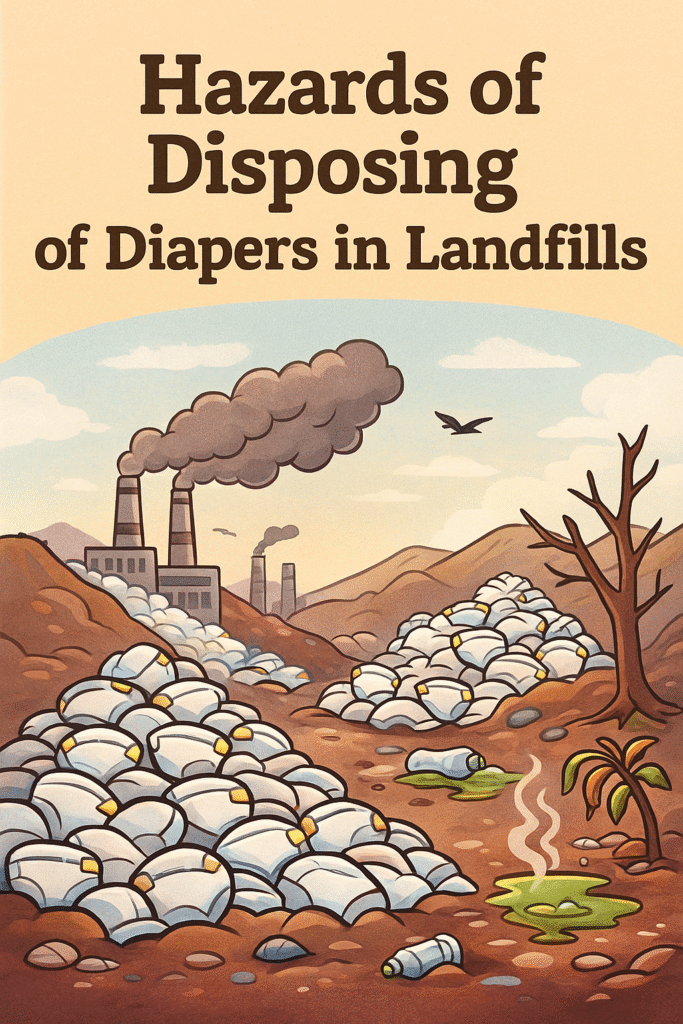
Using 8,000 disposable diapers per child means about 2,000 pounds of material entering landfills. That weight consists of plastic, wood pulp, superabsorbent polymers, adhesives, and fecal matter.
In landfills, diapers occupy space indefinitely.
Plastic components take 250-500 years to break down, and even then they don’t truly biodegrade but fragment into smaller plastic pieces that persist in the environment.
Landfill methane generation from organic matter in diapers contributes greenhouse gas emissions. While some modern landfills capture methane for energy generation, many don’t, allowing direct atmospheric release of this potent greenhouse gas that’s significantly worse than carbon dioxide for climate impact.
Transportation impacts include shipping raw materials to manufacturing facilities, finished products to distribution centers, and ultimately to retailers or consumers. The global disposable diaper supply chain is genuinely energy-intensive, with products often manufactured overseas and shipped internationally before reaching consumers.
Cloth Environmental Costs
Manufacturing cloth diapers requires raw materials with their own environmental footprints. Cotton cultivation uses significant water, pesticides unless organic, and agricultural land.
Hemp is more sustainable but less widely available commercially.
Bamboo viscose processing uses toxic chemicals requiring careful management to prevent environmental harm. Polyester for microfiber, fleece, and PUL is petroleum-derived just like disposable components.
The primary ongoing environmental cost is laundering. Water consumption is significant at 40-50 gallons per load depending on machine type.
Over 2.5 years, this totals about 6,000-10,000 gallons depending on washing frequency and machine efficiency.
In drought-prone regions, this water consumption is genuinely problematic.
Energy consumption includes heating water and running washers and dryers. Electric or gas water heaters consume substantial energy reaching 140°F for effective sanitization.
Dryers are particularly energy-intensive.
One dryer load equals several washer loads in energy consumption. Line drying eliminates this cost but isn’t practical for all climates or living situations.
Wastewater contains detergents, fabric particles including microplastics from synthetic materials, and biological contaminants. While wastewater treatment removes most contaminants, microplastics pass through treatment facilities and enter waterways.
Microfiber diapers are significant microplastic pollution sources, releasing thousands of particles each wash cycle that eventually reach oceans.
What Research Actually Shows
The UK Environment Agency’s 2008 lifecycle assessment stays the most comprehensive study comparing disposable and cloth diapers. Key findings reveal complexity that neither side particularly likes acknowledging.
Disposables have higher global warming potential from manufacturing, especially superabsorbent polymer production and resource extraction. Cloth washed in hot water and machine dried has similar or sometimes worse global warming potential than disposables because of energy for heating water and drying.
Cloth washed in cold water and line dried has significantly lower global warming potential than either disposables or hot-washed cloth.
The study found that for cloth to have meaningful environmental advantage, parents must wash in cold or warm water, line dry or minimize dryer use, use diapers for many children to amortize manufacturing impact, and avoid ironing, which apparently some people do though I genuinely cannot understand why.
A 2017 update with modern data showed improved outcomes for cloth because of advancements in high-efficiency washing machines and updated energy grids incorporating more renewable sources. However, the study confirmed that washing and drying practices stay critical variables determining actual environmental impact in real-world use.
The Honest Conclusion
Cloth diapers probably have lower environmental impact than disposables overall, but the advantage is smaller than cloth advocates claim and highly dependent on specific practices. The environmental “win” is real but modest, not the dramatic difference often suggested in marketing and advocacy.
Water scarcity matters enormously for regional considerations. In regions with water abundance, cloth diaper water consumption is less problematic environmentally.
In drought-prone areas like much of the western United States, using thousands of gallons for diaper laundry is genuinely concerning.
National or global analyses don’t capture these critical regional differences.
Energy source matters enormously for climate impact. Washing with electricity from coal-fired plants has vastly different climate impact than washing with hydroelectric or solar power.
As electrical grids incorporate more renewable energy sources, cloth diaper climate impact improves without any behavior change from parents.
The environmental calculation is constantly shifting with infrastructure changes.
The microplastic pollution from synthetic materials in cloth diapers is rarely acknowledged in environmental comparisons. This doesn’t necessarily make cloth worse than disposables overall, but it does mean the environmental comparison is more nuanced than “reusable good, disposable bad” narratives that dominate discussions.
Parents choosing cloth for environmental reasons should understand they’re making an imperfect choice that’s probably better than disposables but certainly not environmentally neutral. The choice matters and makes a difference, but it’s not single-handedly saving the planet like some marketing suggests.
Practical Challenges and Real Solutions
Beyond the mechanics of different diaper systems and washing routines, several practical challenges affect whether cloth diapering actually works in your specific life situation. These logistical issues cause more cloth diaper failures than anything related to the diapers themselves.
Understanding them helps you make realistic decisions.
Daycare Resistance
Many childcare facilities refuse cloth diapers outright, citing health code concerns, staff training issues, or simple unwillingness to accommodate different systems. While some states legally need childcare to allow cloth if parents provide supplies, enforcement is limited and confrontation risks damaging childcare relationships you depend on.
If you’re facing daycare resistance, try providing the simplest possible system. AIOs that work exactly like disposables are your best option.
Supply wet bags with clear labeling and written instructions with pictures showing exactly how to use them.
Offer to demonstrate diaper changes to staff members and answer their questions. Frame it as special needs accommodation if your child has sensitivities requiring cloth, which sometimes gets more receptive responses than environmental reasoning.
The reality is that childcare barriers exclude many families from full-time cloth diapering through no fault of their own. Consider compromising with cloth at home and disposables at daycare.
This still diverts the majority of diapers from landfills while maintaining practical functionality with your childcare arrangement.
Parents working full-time with daycare-resistant facilities face genuine structural barriers that aren’t solvable through personal effort or determination. This particularly affects lower-income families who depend on center-based daycare for employment but could benefit most from cloth diaper cost savings.
The families most needing financial benefits often face the most barriers to access.
This isn’t fair, and it’s worth advocating for policy changes requiring reasonable accommodation of cloth diapers in licensed facilities.
Partner Resistance
One partner’s cloth enthusiasm often meets another’s skepticism or outright resistance. Common objections include disgust about handling poop, concerns about complexity and confusion, worry about extra work burden falling disproportionately on one person, and skepticism about whether cost or environmental claims are worth the hassle.
Start small with just a trial period using a few diapers. Choose the simplest system possible, probably AIOs or prestuffed pockets.
Ensure the enthusiastic partner handles all extra labor initially, demonstrating that it’s manageable before expecting shared responsibility.
Nothing kills partner buy-in faster than suddenly having new responsibilities dumped on them.
Demonstrate cost savings with actual calculations for your family’s specific situation. Address specific concerns directly as opposed to dismissing them as irrational or uninformed. Allow opt-outs for specific situations like nighttime or travel where cloth is genuinely more challenging.
Accept that full buy-in may never happen, and part-time cloth is still worthwhile.
Forced cloth diapering when one partner is genuinely resistant creates relationship tension that outweighs diapering method benefits. Finding compromise serves family wellbeing better than insisting on ideological purity around diapering choices.
Apartment Living Without Personal Laundry
Shared or coin-operated laundry facilities significantly complicate cloth diapering. Costs increase since typical coin laundry runs $3-5 per wash cycle.
Convenience decreases dramatically.
Privacy concerns arise from carrying dirty diapers through common areas where other residents might object to the smell or sight.
Use large waterproof bags for transport to minimize smell and visibility during trips to laundry rooms. Wash more often to prevent smell accumulation, every 2 days as opposed to every 3.
Budget carefully for washing costs, which can add $150-200 annually to cloth diaper expenses beyond what you’d pay with home machines.
Be respectful of shared facilities by cleaning lint traps thoroughly, avoiding washing during peak hours when others need access, and ensuring no contamination of shared spaces. Consider whether a diaper service is cost-competitive with coin laundry expenses while eliminating logistics challenges entirely.
Some families successfully cloth diaper in apartments, but others find it genuinely impractical based on their specific facility access, costs, and personal tolerance for logistics challenges. The decision depends on your specific circumstances.
There’s no shame in concluding that your living situation makes cloth impractical now.
Travel Logistics
Leaving home with cloth diapers requires significant planning. You need adequate supply for the entire trip duration, storage for dirty diapers that prevents smell, potential washing access at your destination, and enough luggage space for bulky items that compress poorly.
For short trips of 1-3 days, pack enough diapers for the entire trip and plan for a large laundry load upon return. For longer trips, research laundry facility access at your destination before committing to cloth.
Bring a simplified system like pockets or AI2s as opposed to complex fitted/cover combinations requiring more components.
Consider a hybrid approach using cloth at your accommodation but disposables for daily outings and activities. Many families use disposables while traveling without guilt.
The environmental impact of occasional disposable use is minimal compared to daily cloth diapering at home.
Perfect consistency isn’t required for cloth diapering to be environmentally and financially worthwhile overall.
Troubleshooting Leaks
Cloth diaper leaks differ from disposable leaks in their causes. Troubleshooting requires methodical assessment of different potential problems as opposed to assuming the diapers simply don’t work.
Insufficient absorbency means baby is saturating available capacity before the next change. Solution is adding more layers or changing more often.
Poor fit creates gaps at legs or waist allowing liquid escape.
Solution is adjusting rise snaps and ensuring elastic is snug but not tight. Cloth diapers should be snug enough to prevent gaps but not so tight they leave marks lasting more than 10 minutes after removal.
Compression leaks happen when microfiber releases absorbed liquid under pressure. Solution is replacing microfiber with natural fibers, or adding natural fiber layers underneath microfiber to catch released liquid.
Repelling from detergent buildup or diaper cream residue means liquid pools on the surface as opposed to absorbing.
Solution is stripping and sanitizing diapers to remove buildup, then adjusting washing routine to prevent recurrence.
Oversaturation from infrequent changes is straightforward. Solution is changing more often, aiming for every 2-3 hours during the day.
Most leak problems are solvable through systematic troubleshooting, but the process frustrates new cloth users accustomed to disposables “just working” without adjustment.
Special Situations
Newborns
Newborn cloth diapering involves unique considerations that make it optional as opposed to essential. Newborns produce small, frequent amounts requiring more changes.
They grow rapidly, potentially outgrowing sized diapers within weeks.
The umbilical cord stump needs accommodation until it falls off.
Options include newborn-specific cloth diapers fitting 6-12 pounds, one-size diapers on smallest settings though fit is often poor initially, prefolds and covers as the most economical approach, or disposables temporarily during the newborn phase.
The economic calculation for newborn cloth is questionable. You’ll use them for 8-12 weeks before transitioning to regular diapers.
That’s limited use period for $150-200 in newborn-specific diapers.
Cost per use is high unless you’re saving them for many children or planning to resell.
Many parents start cloth after the newborn phase, using disposables initially to reduce overwhelm during the most challenging postpartum period. Starting cloth at 2-3 months is perfectly reasonable despite missing some cost savings.
Your mental health and adjustment to parenthood matters more than maximizing savings by starting immediately.
Large Toddlers
One-size cloth diapers typically fit to 35 pounds according to manufacturer claims, though fit quality deteriorates at the upper extreme. Large toddlers in the 90th percentile or above for weight often outgrow cloth diaper fit before potty training, especially if they’re late trainers.
Options include sized diapers with extended sizing where some brands offer size 2 fitting to 40+ pounds, custom larger diapers from small manufacturers, accelerating potty training efforts, accepting imperfect fit and managing minor leaks, or switching to disposables temporarily.
This represents a scenario where cloth diapering becomes impractical through no fault of parents. It highlights that cloth isn’t universally suitable for all situations regardless of commitment level.
That’s genuinely okay and doesn’t represent failure.
Special Needs Considerations
Children with developmental delays may need diapering well beyond typical potty training ages, sometimes into elementary school or beyond. Cloth diapering for older children poses distinct challenges that go beyond typical considerations.
Size limitations mean few cloth options exist for children over 45 pounds. Social stigma affects older children in visible cloth diapers at ages when peers are fully toilet trained. Elimination volume increases with age, requiring more absorbency than standard diapers provide.
Child dignity matters significantly, where some children prefer disposables resembling underwear as opposed to obvious diapers.
Solutions include youth-sized cloth diapers from specialty manufacturers, custom diapers from small producers willing to make larger sizes, disposables sized for older children, or focusing on the child’s preference and dignity over environmental concerns.
Special needs situations highlight that cloth diapering is a choice best made based on individual circumstances as opposed to rigid ideology. What works for typical development may not work for all situations.
Prioritizing your child’s needs and dignity over environmental ideology is completely suitable.
Making Your Decision
Cloth diapering works brilliantly for many families and fails completely for others. The decision should be based on honest assessment of your priorities, resources, and circumstances as opposed to guilt or ideology.
Consider cloth diapering if you have reliable washer access, financial savings are meaningful to your situation, environmental impact is a personal priority, you have partner buy-in or willingness to manage extra work yourself, your childcare situation accommodates cloth, and you find the process satisfying as opposed to burdensome.
Reconsider or change your approach if laundry facilities are limited or expensive, your living situation makes washing impractical, partner resistance creates relationship tension, childcare requires disposables, special circumstances make cloth impractical, or the process creates stress outweighing benefits.
Hybrid approaches are valid and valuable. Using cloth at home and disposables at daycare, cloth during day and disposables overnight, or any other combination still provides benefits while maintaining sanity.
Perfect consistency isn’t required.
The choice of system matters less than finding one that works for your family. Budget prefolds, mid-range pockets, or premium AIOs all successfully diaper babies.
Choose based on your priorities whether that’s budget, convenience, environmental concern, or aesthetic preference.
Start small if uncertain. A few trial diapers test the concept before full financial commitment. Many families successfully cloth diaper after initial skepticism.
Others try and reasonably conclude it doesn’t fit their lives.
Both outcomes are acceptable.
Cloth diapering is a tool for achieving goals like saving money, reducing waste, or avoiding chemical exposure. It’s not inherently virtuous.
Disposable diapering isn’t moral failure.
Good parenting encompasses far more than diaper choice.
The best diaper is the one that gets used consistently, keeps baby comfortable, and works within your life’s realities. Whether that’s Esembly’s premium simplicity, GroVia’s versatile systems, budget-friendly prefolds, or disposables is genuinely up to you.
Frequently Asked Questions
How many cloth diapers do I actually need?
For full-time cloth diapering with washing every 2-3 days, you need 24-36 diapers depending on system type. AIOs need larger stashes because of longer drying times.
Pocket diapers and AI2s need fewer because components dry faster.
Newborns need more frequent changes, requiring larger stashes or more frequent washing.
Can you use regular diaper cream with cloth diapers?
Most conventional diaper creams contain oils that cause repelling where liquid can’t absorb into fabric. Cloth-safe creams like GroVia Magic Stick or coconut oil won’t cause repelling.
If you must use conventional cream, add a fleece liner between cream and diaper to protect the fabric.
Do cloth diapers cause more diaper rash?
Research shows no significant difference in diaper rash rates between cloth and disposables when both are changed appropriately. The key is frequent changes since cloth doesn’t contain absorbent gel.
Inadequately cleaned cloth diapers can harbor bacteria causing rashes, highlighting the importance of proper washing routines.
How do you handle poop with cloth diapers?
Exclusively breastfed baby poop is water-soluble and can go directly in the washer. Once baby starts solids, solid waste should be removed first.
Options include using a diaper sprayer attached to your toilet, dunking and swishing in toilet water, using disposable liners to catch solids, or shaking solids directly into the toilet.
Are cloth diapers really better for the environment?
Cloth diapers probably have lower overall environmental impact than disposables, but the advantage is smaller than often claimed and depends heavily on washing practices. Cold water washing and line drying provide the most environmental benefit.
Hot water washing and machine drying reduce or eliminate environmental advantages over disposables.
Can daycare use cloth diapers?
Some daycare facilities readily accommodate cloth while others refuse entirely. State regulations vary.
Providing the simplest system possible like AIOs with clear instructions improves success rates.
Many families compromise by using cloth at home and disposables at daycare.
How long do cloth diapers last?
Quality cloth diapers typically last 2-3 years of regular use, often longer with excellent care. Natural fiber diapers last longer than synthetic materials.
Components like elastic eventually wear out but can sometimes be replaced. Many diapers successfully serve many children before wearing out.
What’s the best cloth diaper brand for beginners?
BumGenius and GroVia offer good quality at reasonable prices with straightforward systems. Avoid buying a large stash of one brand initially.
Try several brands and styles before committing to your full stash since fit preferences vary by baby and parent.
Do you need special detergent for cloth diapers?
You don’t need cloth diaper-specific detergent despite marketing suggesting otherwise. Mainstream detergents like Tide or Persil containing enzymes and surfactants clean more effectively than most “cloth diaper detergents.” Avoid fabric softeners and dryer sheets which cause repelling.
Can you use cloth diapers overnight?
Yes, but overnight success requires more absorbency than daytime solutions. Fitted diapers with wool covers provide the most reliable overnight performance.
Heavily stuffed pockets with hemp inserts also work.
Many families compromise by using disposables overnight while maintaining cloth during the day.
How do you strip cloth diapers?
Stripping removes buildup from detergent residue, hard water minerals, or diaper cream. Methods include washing repeatedly with hot water and minimal detergent until no suds appear, using RLR or Grovia Mighty Bubbles products, or bleach sanitizing.
Stripping should be occasional as opposed to regular maintenance.
Do cloth diapers save money with one child?
Budget cloth systems save $1,400-2,100 compared to disposables for one child. Premium systems save $150-1,250.
Savings increase dramatically with many children since the initial investment is already made.
Resale value recovers 50-70% of investment for quality brands.
Key Takeaways:
Modern cloth diapering spans vastly different systems serving different needs. AIOs prioritize convenience. Pockets offer customization.
AI2s reduce stash requirements.
Fitted diapers excel overnight. Prefolds maximize economy.
Choose based on your actual priorities as opposed to someone else’s recommendations.
Washing routines decide success more than diaper choice. Water hardness testing, appropriate detergent selection with real cleaning agents, and occasional bleach sanitizing matter more than most beginners realize.
Most failures trace to inadequate washing as opposed to poor diapers.
Environmental advantages are real but nuanced. Cloth probably wins on environmental impact, but the margin is smaller than advocates claim. The advantage depends heavily on washing practices, energy sources, and whether diapers serve many children.
Perfect environmentalism doesn’t exist.
Economic benefits multiply with many children. Single-child savings are modest with premium brands but substantial with budget options.
Using the same stash for subsequent children provides genuine financial advantage since manufacturing costs are already paid.
Perfect consistency isn’t required for worthwhile benefits. Hybrid approaches using cloth when practical and disposables when necessary still provide meaningful environmental and financial benefits without demanding ideological purity that may not fit your actual life circumstances.