You’ve done the research, read through endless Esembly reviews, and you’re sitting there thinking “this sounds great, but…” Maybe the price tag makes you hesitate. Maybe you’ve got a little one who soaks through everything at night and you need something more customizable.
Or maybe you just don’t vibe with the whole minimalist aesthetic thing and want more options to mix and match.
What I’ve learned after talking to literally hundreds of parents in cloth diaper groups over the years is that Esembly does exactly what it promises to do, but it’s absolutely not the only player in the game. And honestly?
For some families, it’s not even the best choice.
The cloth diaper world is way bigger and more diverse than most first-time parents realize. You’ve got budget-friendly options that perform nearly as well for a fraction of the cost.
You’ve got systems specifically designed for heavy wetters that blow Esembly out of the water when it comes to overnight performance.
And you’ve got brands with features that Esembly just doesn’t offer, like snap closures that last way longer than hook-and-loop, or truly customizable absorption that you can adjust on the fly.
I’m going to walk you through the real choices worth considering. Not just the other premium brands that cost basically the same (though we’ll cover those too), but the genuinely different options that might actually fit your specific situation better than Esembly ever could.
We’re talking budget picks that’ll save you hundreds, performance specialists for specific challenges, and some options you probably haven’t even heard of that have cult followings in certain parenting communities.
By the end of this, you’ll understand exactly what trade-offs you’re making with each system, what problems they solve that Esembly doesn’t, and which option actually makes sense for your family’s unique circumstances.
Understanding the Cloth Diaper Landscape


- 100%polyester
- Imported
- Superior Absorbency: Our CoolaPeach cloth diapers are equipped with 6 high-quality microfiber inserts, ensuring maximum …

- Complete Cloth Diapering Set: Includes 4 adjustable pocket cloth diapers and 4 viscose with microfiber inside absorbent …
- Adjustable Fit for Growing Babies: Designed to fit babies from 10 lbs to 35 lbs with adjustable snap settings, ensuring …
- Easy to Clean: Diapers are Machine Washable and quick drying with separated inserts, our cloth diapers can be included w…
Before we dive into specific choices, you need to understand that cloth diapers aren’t one-size-fits-all despite what the marketing says. The diaper world basically breaks down into a few main categories, and Esembly represents just one approach in one category.
All-in-One diapers, commonly called AIOs, function like the closest thing to disposables. Everything’s sewn together, you put it on, take it off, wash the whole thing.
They’re super convenient but they dry slowly and you can’t adjust absorption.
Brands like Smart Bottoms Dream Diaper and Bumgenius Freetime fall here. You grab one item, put it on baby, and you’re done.
The simplicity appeals to a lot of parents, especially those with partners or caregivers who resist anything complicated. But that convenience comes with real downsides when you’re waiting 18 hours for a diaper to dry on the line, or when your baby starts sleeping longer stretches and suddenly the built-in absorption isn’t enough.
All-in-Two systems, which is what Esembly actually is though they don’t always market it that way, give you a waterproof outer she’ll and a separate absorbent piece that either snaps in or lays in. You can sometimes reuse the outer if it didn’t get dirty, which theoretically reduces laundry. This is where you’ll find GroVia, Best Bottom, and Flip.
The modular nature means faster drying since you can separate the pieces, and you need fewer outers than inners since outers don’t get soiled every time.
The downside is that you’re managing two pieces, and if the insert shifts or bunches up, you’re dealing with leaks that wouldn’t happen in a sewn-together system.
Pocket diapers have a waterproof outer with an opening where you stuff absorbent inserts inside. The insert touches baby’s skin through a stay-dry layer, typically made of athletic wicking fabric.
This category includes Bumgenius, Alva Baby, and basically every budget Chinese brand.
The big advantage here is customization. You can customize absorption by adding or removing inserts, which means the same diaper works for a quick daytime change or a marathon overnight stretch.
You’re stuffing pockets after every wash, which some parents find tedious, but you’re also getting way more flexibility than Esembly offers.
Prefolds and covers represent old-school cloth diapering at its finest. You fold a rectangular cloth diaper and secure it with a Snappi or pins, then cover it with a waterproof cover.
This is the cheapest option and incredibly customizable, but it has the steepest learning curve.
Brands like Osocozy, Green Mountain Diapers, and Clotheez dominate here. Your grandmother probably used something similar, though modern prefolds are way better quality than what she had access to.
The learning curve intimidates a lot of modern parents, but once you master the folds, this system offers unmatched value and performance.
Fitted diapers with covers are shaped like diapers and have closures, but they’re made entirely of absorbent material with no waterproof layer. You add a separate cover over top.
These work fantastically for overnight but require two pieces every change.
Brands like Kissaluvs, Sustainablebabyish, and Buttons Diapers specialize in fitteds. Think of them as the heavy artillery you bring out when nothing else can handle the job.
Esembly sits in the AI2 category, which means your closest comparisons are other AI2 systems. But honestly, some of your best choices might come from completely different categories depending on what you actually need. If overnight leaking is destroying your sanity, a fitted diaper solves that problem better than any AI2 ever will.
If cost is your main concern, pocket diapers or prefolds blow AI2 systems out of the water on price.
Budget Alternatives That Actually Work
The $600+ price tag for a full Esembly setup creates a genuine barrier for a lot of families. There are cloth diaper options that cost literally one-third as much and still get the job done.
Alva Baby and Mama Koala
These Chinese-manufactured pocket diapers typically run $4-6 per diaper with inserts included. You can get a complete stash of 24 diapers for around $120-150. Yes, really.
That’s not a typo.
Before you dismiss them as cheap garbage, hear me out. I’ve seen these diapers hold up through two or three kids when properly cared for.
The elastic quality isn’t quite as nice as premium brands, and the prints are hit-or-miss in terms of taste, but the actual functional performance is surprisingly solid.
Your baby stays dry. Leaks don’t happen more often than with premium brands.
The diapers wash clean and hold up to repeated laundering.
The main trade-off here involves durability and materials. You’re getting polyester microfiber inserts instead of organic cotton, polyester outer fabric instead of Esembly’s food-grade materials, and quality control that’s less consistent.
You might get a dud diaper in your batch.
The snaps occasionally pop off, though you can repair them with snap pliers if you’re handy. The PUL laminate might delaminate after a year of heavy use, showing up as peeling or cracking on the waterproof layer.
But here’s the thing that makes these budget options genuinely valuable. Even if you have to replace a few diapers along the way, you’re still spending way less than Esembly.
And for families where that $500 difference means being able to cloth diaper at all versus defaulting to disposables, these budget options democratize cloth diapering in a really meaningful way.
The pocket design also gives you way more flexibility than Esembly’s system. Heavy wetter at night?
Stuff in three inserts.
Quick change during the day? Use just one.
Your baby’s needs change as they grow, and you can adapt on the fly without buying different products.
A newborn might need one microfiber insert, while a toddler sleeping 12 hours needs a microfiber plus two bamboo inserts. Same diaper, different stuffing.
Alva Baby tends to run slightly smaller than other one-size diapers, which actually makes them great for newborns but means they might not last quite as long on bigger toddlers. Mama Koala runs a bit more generously, with better rise adjustments that actually work across the full size range.
Both brands offer truly ridiculous print options, from basic solids to elaborate patterns that range from cute to utterly bizarre.
You can get dinosaurs, florals, tie-dye, food prints, holiday themes, and things that make you wonder what the designer was thinking.
LPO and Nora’s Nursery
These brands occupy the middle ground between budget Chinese brands and premium options. LPO (or LBB, as they’re sometimes called) and Nora’s Nursery pocket diapers run about $8-10 each, putting a full stash around $200-240.
The quality is noticeably better than Alva, with thicker PUL, more reliable snaps, and better elastic that doesn’t wear out as quickly.
But you’re still not paying for organic materials or fancy certifications.
What I really like about Nora’s Nursery is that they’ve clearly studied what actually frustrates parents about budget diapers and fixed those specific issues. The leg elastics are reinforced where they tend to wear out first, usually in the back where the elastic meets the snap tape.
The pocket opening is wider so you’re not fighting to stuff inserts, which sounds minor until you’re stuffing 20 diapers at midnight while watching TV.
The rise snaps are positioned to actually fit the full size range they claim, not just theoretically but actually.
LPO offers both pocket diapers and AI2 options, which gives you flexibility to try different systems without committing to premium pricing. Their AI2 system works remarkably similarly to Esembly, with a waterproof outer and snap-in inserts, but costs about 60% less.
The materials aren’t organic and the construction isn’t quite as refined, but functionally they work the same way.
The customer service from these mid-tier brands is also surprisingly good. They’re hungry for positive reviews and loyal customers, which means they’ll often go out of their way to make things right if you receive a defective product.
Premium brands sometimes get complacent about customer service because they know their reputation sells itself.
Prefolds and Covers
If you’re willing to deal with a learning curve, this represents hands-down the most economical option that still performs at a high level. A dozen quality prefolds from Green Mountain Diapers costs about $40-50 depending on which size and fabric you choose.
You can get 4-6 covers for another $60-80.
You’re looking at $100-130 total for a complete system that’ll get you through the entire diapering period.
The performance is actually excellent once you master the fold. That much cotton absorbs like crazy.
We’re talking about six to eight layers of fabric in the wet zone, more absorption than you’ll find in any single-piece diaper regardless of brand.
And because the layers aren’t sewn together, everything dries fast. You can line-dry prefolds in a few hours on a decent day, while Esembly Inners take 12-24 hours to fully dry.
You can adjust exactly where you want the bulk based on whether you’ve got a boy or girl, where your specific baby tends to flood. The customization options are genuinely impressive once you understand how different folds distribute fabric differently.
A bikini twist concentrates absorbency in the center for boys.
A jelly roll fold keeps bulk in the middle while creating contained leg channels. An angel wing fold brings extra layers to the front.
The downside is obvious and real. There’s folding involved. You need to use a Snappi or pins to secure it, though Snappis are way easier and safer than pins.
And this approach is definitely not daycare-friendly unless you’ve got a really accommodating caregiver.
Your partner might revolt when you show them how to origami a prefold at 3am. But for stay-at-home parents or those really committed to budget cloth diapering, this works incredibly well.
Modern prefolds from quality manufacturers like Green Mountain Diapers are also way better than what previous generations used. The fabric is pre-shrunk so you’re not dealing with massive size changes after the first wash. The cotton is soft, not scratchy.
The construction holds up to hundreds of washes without falling apart.
You can buy them used, strip any buildup, and they perform like new.
Covers have come a long way too. Modern PUL covers from brands like Thirsties and Rumparooz are trim, cute, and highly functional.
They come in snaps or hook-and-loop.
They’ve got double gussets for better leak protection. And you only need 4-6 covers because you’re not washing the cover every single change, just when it gets soiled or every few days to keep it fresh.
If you’re concerned about materials, you can get organic cotton prefolds that are still cheaper than Esembly. Green Mountain offers organic unbleached prefolds that cost more than their conventional cotton ones but still way less than premium all-in-one systems.
You’re getting certified organic cotton with no question about what’s touching your baby’s skin, and you’re spending a fraction of what Esembly costs.
Premium Alternatives with Different Features
Maybe price isn’t your main concern with Esembly. Maybe you just want something that performs differently or has features Esembly doesn’t offer.
Several premium brands compete directly with Esembly’s price point but offer distinctly different experiences that might suit your needs better.
GroVia Hybrid System
- 100%polyester
- Imported
- Superior Absorbency: Our CoolaPeach cloth diapers are equipped with 6 high-quality microfiber inserts, ensuring maximum …
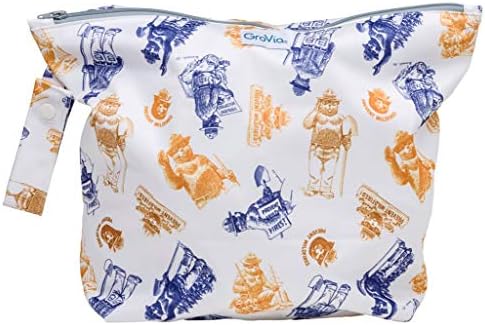
- Keep your cloth diapers and accessories secure with this durable zippered wet bag. A cloth diapering necessity, this ver…
- HOLDS SEVERAL CLOTH DIAPERS: The reusable and portable wetbag holds between 4 to 6 diapers, or several soaker pads, boos…
- EFFECTIVE, MODERN DESIGN: The perfectly sized wetbag tucks conveniently into your diaper bag for easy use when on the go…

- PROTECT BABY’S SKIN: Use a light layer to protect baby’s bottom and skin from wetness, reducing the likelihood of diaper…
- EASY TO USE: Use as needed with diaper changes and at night before bed. Apply to clean, dry skin. We recommend each chil…
- NO MESS APPLICATION: The no-mess applicator makes sure the diaper balm goes just where it needs to, helping provide imme…
GroVia probably stands as Esembly’s closest premium competitor, with similar pricing around $400-500 for a full stash. But there are some key differences that make it worth considering, differences that might make it the better choice for your specific situation.
First, GroVia uses snap closures instead of hook-and-loop. This represents a big deal for longevity.
Snaps essentially last forever while Velcro wears out.
The hooks get filled with lint, the loop fabric gets fuzzy and stops holding, and after 12-18 months of heavy use you’re often looking at closures that don’t stay fastened as securely. If you’re planning to use these diapers for many kids or want strong resale value, snaps give you that durability.
You can use snap diapers through three kids and the closures still work exactly the same as day one.
The trade-off involves convenience. Snaps are slightly less convenient for quick adjustments and might be harder for some caregivers to figure out initially.
You can’t get that perfect custom fit quite as easily as you can with Velcro that sticks anywhere.
But once you figure out which snap setting works for your baby, you’re just reaching for that same setting every time anyway.
Second, GroVia’s system is genuinely hybrid, which is where the name comes from. You can use their reusable cloth inserts like Esembly, but they also make biodegradable disposable inserts that work with the same shells.
This is genuinely amazing for travel, illness, or those phases where you’re just completely overwhelmed and need a break without switching entirely to disposables.
You’re still using your regular covers, so you’re still getting leak protection you trust, but you’re disposing of the soiled part and not dealing with storing dirty diapers.
The disposable inserts aren’t cheap, they run about $0.40-0.50 each, which is more than regular disposables but less than premium eco-disposables. For occasional use during a week-long vacation or when your baby has diarrhea, the cost is totally worth the convenience.
And the environmental impact is still way better than full disposables since you’re only disposing of the absorbent core, not the waterproof she’ll.
The she’ll design differs from Esembly in a way that some parents love and others find annoying. GroVia’s cloth inserts snap directly onto the she’ll with two snaps as opposed to laying loose.
This prevents shifting, which is one of the main causes of leaks in AI2 systems.
When an insert shifts to one side or bunches up, you get gaps where liquid can get past the absorbent material and leak out. GroVia’s snap-in system eliminates that problem entirely.
But snapping and unsnapping every change adds a step that some parents find tedious. With Esembly you just pull out the soiled insert and lay in a clean one.
With GroVia you’re unsnapping two snaps, pulling out the soiled insert, snapping in a clean one.
It’s not a huge deal, but it’s something to consider if you’re optimizing for speed.
Material-wise, you’re getting organic cotton options similar to Esembly, but GroVia also offers hemp and bamboo blends that absorb more in a trimmer profile. For heavy wetters, this can be a total game-changer.
Hemp absorbs about twice as much liquid per square inch as cotton, which means you can get the same absorption with less bulk.
If you’ve got a baby who looks like they’re wearing a basketball in cotton diapers, hemp might let you actually fit pants over the diaper.
GroVia shells also come in both snap and hook-and-loop versions, so if you really want Velcro you’re not locked out. But the fact that they offer both options shows they’re thinking about different user needs as opposed to insisting one approach works for everyone.
Bumgenius All-in-One and Pocket Options
Bumgenius has been in the cloth diaper game longer than almost anyone. They’ve refined their designs based on years of real-world feedback from thousands of parents.
Their Freetime all-in-one runs about $22-25 per diaper, putting you around $525-600 for a full stash of 24, comparable to Esembly.
The all-in-one design means you literally can’t mess it up. There’s no stuffing, no laying in an insert, no two pieces to manage.
You grab it, put it on baby, take it off when it’s dirty, toss it in the pail.
For partners or caregivers who are resistant to cloth diapering, this represents as close to foolproof as you can get. I’ve seen so many situations where one parent is enthusiastic about cloth and the other is skeptical, and the skeptical partner comes around when they realize Bumgenius Freetime works exactly like a disposable from their perspective.
The downside involves drying time, which is genuinely significant. Everything’s sewn together, so you’re looking at a really long dry time even in the dryer.
We’re talking 2-3 dryer cycles or 24+ hours hanging.
If you’re trying to minimize energy usage by line drying, you need a bigger stash to account for diapers that are still damp when you need them. And you can’t adjust absorption.
What’s sewn in is what you get.
If your baby becomes a heavy wetter, you can’t add extra inserts like you could with a pocket or AI2 system.
Their pocket diapers, specifically the 4.0 and 5.0 versions, offer more flexibility. You can customize exactly how much absorption you need, and they dry faster since the insert comes out.
The stay-dry lining keeps baby feeling drier than cotton-against-skin options like Esembly.
This matters for some babies who get fussy when they feel wet, and matters less for babies who don’t seem to care.
The pocket opening on Bumgenius 5.0 is at both ends, which makes stuffing and unstuffing faster. Inserts basically fall out in the wash instead of staying stuck in the pocket like they do with some brands.
This seems like a tiny detail until you’re pulling wet inserts out of 20 pockets and the Bumgenius ones basically do it themselves.
Bumgenius offers both snap and hook-and-loop options for pretty much everything they make, so you can choose based on your preference. The brand has massive name recognition, which makes reselling easier if you decide cloth diapering isn’t for you.
Everyone’s heard of Bumgenius.
Not everyone knows what Esembly is yet. When you list Bumgenius diapers on Facebook Marketplace, they sell fast because people trust the brand.
The elastic in Bumgenius diapers is really well-designed. They use many rows of elastic in the legs and back, which creates a better seal without leaving deep red marks on chubby baby thighs. Some diapers seal so tightly they leave marks, and some seal so loosely they leak.
Bumgenius tends to hit that sweet spot of effective without uncomfortable.
Thirsties Natural All-in-One
If Esembly appeals to you specifically because of the organic cotton and natural materials, Thirsties Natural AIO deserves a serious look. These diapers are made entirely of natural fibers: organic cotton and hemp blend with a wool outer layer for waterproofing.
No polyester, no PUL, no synthetics at all.
Wool is genuinely amazing as a diaper cover material. It’s naturally antimicrobial, which means it resists smelling bad even when it gets a little damp.
It breathes incredibly well, better than any synthetic fabric, which reduces heat rash and keeps baby more comfortable.
And wool actually absorbs a small amount of liquid itself before leaking, unlike PUL which is completely waterproof but doesn’t give you any buffer zone.
Babies who get rashes in synthetic diapers often do way better in wool. If you’ve tried everything else and your baby still gets persistent redness and irritation, wool might solve the problem when nothing else did.
The breathability factor really makes a difference for sensitive skin.
The catch involves special care requirements. You can’t wash wool with regular detergent or throw it in with your regular diaper laundry.
You need wool wash, which is gentler and doesn’t strip the natural lanolin that makes wool waterproof.
And you need to lanolize the covers periodically to maintain their waterproofing properties. Lanolizing involves soaking the wool in a lanolin solution so the fibers reabsorb the oils that make them water-resistant.
This adds complexity that might feel overwhelming, especially in the newborn fog when you’re barely keeping up with basic laundry. But for parents who are really committed to natural materials and willing to put in the extra care work, Thirsties Natural provides something Esembly simply doesn’t offer: a completely plastic-free diapering solution.
The absorption in these diapers is also impressive because hemp holds so much liquid. You’re getting reliable overnight performance without synthetic materials.
The trim fit surprises people because hemp is so absorbent that you don’t need as much bulk.
Best Bottom Diapers
Best Bottom represents another AI2 system like Esembly, but with some clever design differences that solve specific problems. Their shells run about $18 each, and inserts cost around $6-8, putting them in a similar price range as Esembly overall.
The key innovation here involves their snap-in insert system. Unlike Esembly where the insert lays loose in the cover, Best Bottom inserts snap in at both ends.
This completely eliminates bunching and shifting, which is one of the most common causes of leaks in AI2 systems.
If you’ve ever had an insert bunch up in the wash or shift during use, you know how frustrating that leak is. Best Bottom solves that problem through simple engineering.
The snaps at both ends also mean the insert stays put when your baby moves around, rolls, or crawls. Active babies can shift loose-laying inserts around enough to create gaps, but that can’t happen when both ends are secured.
They also offer way more insert options than Esembly. You can buy microfiber inserts for quick daytime changes, bamboo inserts for more absorption with the same size, hemp inserts for overnight, and combinations.
You can buy different inserts for different situations as opposed to being locked into one type.
Daytime needs differ from overnight needs, and Best Bottom let’s you address that without doubling up or makeshift solutions.
The modular nature also means you can start with basic inserts and add specialty options as you figure out what you need. Maybe you start with their standard microfiber inserts and everything’s fine. Then your baby starts sleeping longer stretches and you realize you need more overnight absorption.
You buy a few hemp inserts for nighttime and keep using microfiber during the day.
You’re not replacing your whole system, just adding what you need.
Their swim diapers are particularly good too. If you’re investing in a cloth diaper system, it’s nice when the same brand offers swim solutions that work with the shells you already own.
Best Bottom swim shells work with the same rise snaps as their regular shells, and you can use regular inserts inside them if you want a little added protection for public pools.
The company also includes really detailed washing instructions with every purchase. This sounds basic, but so many cloth diaper problems come down to washing issues.
Parents don’t realize their water is too soft or too hard, they use too much or too little detergent, they’re not getting enough agitation.
Best Bottom walks you through exactly how to dial in your wash routine, which prevents a lot of frustration.
Heavy Wetter and Overnight Solutions
This represents where Esembly really falls short for a lot of families. If you’ve got a baby who soaks through everything, or you’re dealing with 12-hour overnights, you need more absorption capacity than Esembly’s standard system provides.
Hemp Inserts with Any AI2 System
Here’s a strategy that works surprisingly well: stick with whatever system you like for daytime, but invest in hemp inserts for overnight. Hemp absorbs way more liquid per square inch than cotton, and it’s naturally antimicrobial which helps with smell.
A single hemp insert can absorb more than two cotton inserts while being the same thickness or even trimmer.
Thirsties makes hemp inserts that work with pretty much any AI2 or pocket diaper system. You can use them with Esembly Outers if you already have those, or with Best Bottom, GroVia, or whatever else you’re using.
Three layers of hemp will handle extreme wetters that nothing else can touch.
I’ve seen parents try everything with their heavy wetter babies, doubling up cotton inserts, adding boosters, changing every two hours, and nothing works until they try hemp.
The downside involves bulk, though not as much as you’d think. Hemp inserts are trim when dry but swell considerably when wet.
Your baby is going to look like they’re wearing a pretty substantial diaper overnight.
But if the choice is between a bulky diaper and wake-ups from leaked pee soaking through pajamas and sheets, most parents choose bulk every single time.
Hemp also takes longer to dry than cotton or microfiber. You’re looking at full air-drying time of 24-36 hours depending on humidity.
But for overnight inserts, you only need 2-3 of them total since you’re only using one per night.
The drying time matters less when you’re not rotating through a whole stash.
Hemp gets softer with every wash too. New hemp can feel a little scratchy or stiff, but after 10-15 washes it becomes incredibly soft and pliable.
The absorbency also improves with washing as the natural oils are removed and the fibers open up.
You can also layer hemp with other materials. A common setup for extreme overnight situations involves one hemp insert plus one bamboo insert.
The bamboo absorbs quickly when baby first pees, then the hemp holds the massive overall volume.
Different materials absorb at different rates, and combining fast absorbers with high-volume absorbers gives you the best of both characteristics.
Fitted Diapers Plus Covers
- 100%polyester
- Imported
- Superior Absorbency: Our CoolaPeach cloth diapers are equipped with 6 high-quality microfiber inserts, ensuring maximum …
- Complete Cloth Diapering Set: Includes 4 adjustable pocket cloth diapers and 4 viscose with microfiber inside absorbent …
- Adjustable Fit for Growing Babies: Designed to fit babies from 10 lbs to 35 lbs with adjustable snap settings, ensuring …
- Easy to Clean: Diapers are Machine Washable and quick drying with separated inserts, our cloth diapers can be included w…
For serious overnight solutions, fitted diapers are genuinely hard to beat. These diapers are made entirely of absorbent material, many layers of cotton or bamboo or hemp, shaped like a diaper with closures, but with no waterproof layer.
You add a cover over top for leak protection.
Brands like Sustainablebabyish, Kissaluvs, and Buttons Diapers make fitteds specifically designed for overnight use with ridiculous absorption capacity. We’re talking 6-8 layers of material that can handle 12+ hours without leaks.
These are the nuclear option you bring out when nothing else works.
The trade-off involves dealing with two pieces every single change, and fitteds are the slowest to dry since they’re entirely absorbent material. But for parents at their wits end with nighttime leaks, these work when nothing else does.
I’ve seen parents try six different diaper systems and still deal with leaks, then switch to fitteds and never have another overnight leak again.
The fit is also different from other diapers. Because fitteds don’t have a waterproof layer built in, they can be made more trim in the legs and waist since the cover provides the waterproof seal.
This creates a better fit that’s less likely to gap at the legs, which is where most overnight leaks happen.
You can also mix this strategy with Esembly or whatever else you’re using. Use your regular system during the day when changes are frequent and you want something easy, then switch to fitteds at bedtime when absorption is everything.
You’re not committed to one system for all 24 hours.
A lot of parents do exactly this and never regret it.
Wool covers work particularly well over fitteds because wool breathes so well and can absorb a little liquid itself. This creates a two-layer absorption system where the fitted does the heavy lifting and the wool cover acts as both waterproofing and a backup absorption layer.
Double-Gusset Pocket Diapers
Some manufacturers have started making pocket diapers with double leg gussets. Think of it as two layers of elastic at each leg opening.
This creates a better seal that prevents compression leaks in car seats and carriers, which is another common complaint across all AI2 systems including Esembly.
AppleCheeks and Rumparooz both offer double-gusset options. The extra elastic does make them slightly bulkier, but the leak prevention is noticeable.
If you’re dealing with leaks specifically during car rides or while babywearing, this design feature might solve your problem entirely.
Compression leaks happen when something presses against the diaper and squeezes liquid past the leg elastics before the material can absorb it. Car seat straps are the worst offenders.
Baby pees, the car seat strap immediately squeezes the diaper, and liquid shoots out the leg hole before the insert even has a chance to absorb it.
Single gussets sometimes can’t stop this from happening, but double gussets create a second line of defense.
The inner gusset sits tighter against baby’s leg and catches any liquid that gets past the outer gusset. I’ve seen this design feature solve persistent car seat leaking problems that parents had been fighting for months.
Snap Versus Hook-and-Loop Dilemma
Esembly uses hook-and-loop closures, which is convenient but creates a durability issue that deserves its own section because this single feature might change your entire decision.
Hook-and-loop is fast. When you’re sleep-deprived and doing middle-of-the-night changes, grabbing and pressing Velcro is way easier than aligning snaps.
It allows for super precise fit adjustments too.
You can stick it anywhere along the landing zone to get exactly the fit you want. Snaps give you fixed adjustment points, usually three or four settings.
Hook-and-loop gives you infinite adjustments within its range.
It’s also more intuitive for caregivers who aren’t familiar with cloth diapers. Velcro is universal.
Everyone understands how it works.
Grandparents visiting for the week can figure out hook-and-loop immediately.
But Velcro wears out. The hooks get filled with lint and lose their grip.
The loop fabric gets fuzzy and stops holding.
After 12-18 months of heavy use, you’re often looking at weakened closures that don’t stay fastened as securely. You’ve got tabs that peel open when baby moves around or pulls at them.
With Esembly’s Outers costing $24-28 each, replacing 6 Outers because the Velcro is shot adds another $150+ to your total investment. That hurts when you thought you were done spending money.
Snaps, meanwhile, essentially last forever. They either work or they don’t.
They almost never fail unless you’re yanking on them really hard consistently.
I’ve seen snap diapers go through three kids and tens of thousands of washes with every single snap still working perfectly.
Here’s how I’d think about this decision. If you’re planning to use these diapers for just one child and prioritize daily convenience, hook-and-loop makes sense.
The convenience is real and meaningful.
If you’re planning for many kids or want maximum resale value, snaps are objectively better. They’ll outlast hook-and-loop by years, and used diapers with snaps sell for more than used diapers with worn-out Velcro.
Most brands offer both options, so you’re not locked in. Bumgenius, Best Bottom, GroVia, and Thirsties all come in both snap and hook-and-loop versions. You can even mix them in your stash.
Maybe get hook-and-loop for daytime caregivers who need speed and simplicity, and snaps for nighttime when baby’s less squirmy and you have more time to fasten properly.
Another consideration is the toddler factor. Once your baby becomes mobile and curious, hook-and-loop becomes a toy.
Toddlers love pulling the tabs open and fastening them back down.
Snaps require more dexterity and strength to open, so they stay closed longer. Many parents who love hook-and-loop for the infant stage find themselves wishing they had snaps once their toddler learns to unfasten their own diaper.
Secondhand Market Strategy
Here’s something most new parents don’t consider until later: buying used cloth diapers from Facebook Marketplace, Mercari, eBay, or specialized cloth diaper swap groups. This strategy can get you premium brand performance at budget brand prices.
Cloth diapers hold up really well because they’re designed to be washed hundreds of times. Unless the previous owner really abused them or had hard water issues that weren’t addressed, you can often find barely-used premium diapers for 40-60% off retail.
Some parents buy cloth diapers with the best intentions, use them for two months, decide it’s not for them, and sell the whole stash at a loss just to get them out of their house.
Bumgenius, GroVia, and Thirsties all have massive secondhand markets because they’ve been around forever and parents know the names. You can find lots of 24 diapers going for $200-250 when they’d cost $450-500 new.
Esembly’s secondhand market is growing but still smaller since the brand is newer.
This actually makes buying used Esembly harder but selling your own easier since supply is lower and demand is climbing.
What to look for when buying used: check the elastic by stretching it. It should snap back quickly without looking saggy or loose.
Look at the PUL for any delamination, which shows up as peeling or cracking of the waterproof layer.
If you see areas where the laminate is separating from the fabric, that diaper is at the end of its life.
Smell them if you can, or ask the seller about any odor issues. If they reek of ammonia even when clean, the previous owner had buildup issues and you’ll need to strip them before use.
This isn’t a dealbreaker because you can fix buildup, but it’s worth knowing upfront.
Check snaps to make sure none are missing or loose. A missing snap isn’t necessarily a problem if it’s on a rise setting you won’t use, but loose snaps will just get worse.
Check hook-and-loop for wear.
If the Velcro is already looking rough, factor in replacement cost.
Ask about the washing routine the previous owner used. If they washed in cold water with no detergent and line-dried everything, those diapers are probably in great shape. If they used bleach with every wash and ran high-heat drying, there might be more wear than the age suggests.
You can get a premium brand stash for under $200 buying used if you’re patient and shop strategically. I’ve seen deals where parents are moving and just want the diapers gone, pricing a whole lot at $100 for immediate pickup.
You can’t get much more budget-friendly than that while still using quality products.
Some parents even flip diapers as a strategy. Buy used lots, use them for their own baby, then resell for close to what they paid.
This effectively makes cloth diapering nearly free beyond detergent and utilities.
The key is buying low and taking care of the diapers so they still have resale value later.
Mix-and-Match Approach
Here’s a strategy that actually makes way more sense than buying exclusively one brand: mix and match based on specific situations. Esembly’s marketing pushes the idea that you need their complete system, but that’s nonsense.
You can absolutely use different brands for different purposes.
A practical setup might look like this: Budget pocket diapers from Alva or Mama Koala for daycare because if one gets ruined or lost, it’s not a huge deal. Best Bottom AI2 system for home during the day because you like how the inserts snap in and eliminate shifting.
Fitted diapers with wool covers for overnight because your baby is a heavy wetter and nothing else works reliably.
Maybe a few Esembly pieces for when you want something that looks nice in photos or you’re packing a diaper bag for an outing where you care about aesthetics.
The only real constraint is that covers need to roughly match the inserts you’re using with them. You can’t use a newborn-size insert with a toddler-size cover.
But within reasonable size ranges, most inserts work with most covers.
A medium Best Bottom insert will work in a medium GroVia she’ll. A large Thirsties insert will work in a large Esembly Outer.
This approach let’s you improve for each specific need as opposed to accepting the compromises of a single system. Yes, it’s more complex than buying one brand and being done.
You need to keep track of which inserts go with which covers, though honestly it’s not that complicated once you’re doing it.
But if you’re the kind of person who likes having the right tool for each job, this is genuinely satisfying.
It also spreads out your investment over time. Start with a basic budget stash for newborn stage, then add premium pieces as you figure out what actually matters to you.
Add overnight solutions when sleep stretches get longer.
Add specific solutions for specific problems as they come up as opposed to trying to forecast everything upfront.
The versatility also helps with resale later. If you have pieces from many popular brands, you can list smaller lots that appeal to different buyers as opposed to forcing someone to buy your whole stash of one brand they might not want.
What Works Best for Apartment Living
If you don’t have in-unit laundry, your cloth diaper options become more limited. Esembly’s recommendation to wash every 2-3 days is pretty much impossible if you’re hauling diapers to a laundromat or communal laundry room.
For this situation, you need diapers that dry fast so you can maximize your inventory between wash days. All-in-one diapers like Bumgenius Freetime are actually bad choices here because they take forever to dry.
Better options include pocket diapers where you can separate the insert from the she’ll so everything dries faster, or AI2 systems with microfiber inserts instead of cotton.
Microfiber dries in a couple hours even hanging on a drying rack. Cotton takes 12-24 hours.
That difference matters enormously when you’re doing laundry once or twice a week and need everything ready quickly.
You’ll also want a larger stash. Probably 36 diapers instead of 24, so you can go 4-5 days between washes.
This adds cost but it’s necessary for the logistics to work.
If you’re washing once a week and it takes 24 hours for everything to dry, you need enough diapers to last until the washed batch is ready plus a buffer for delays.
Wet bag storage becomes more important too. You need something that genuinely contains smell for many days.
A basic hanging wet bag might be fine for 2-3 days, but by day 4-5 it’s going to smell even through the bag.
Large sealed wet bags or a dedicated diaper pail with a good lid become worth the investment.
Some apartment dwellers find hybrid systems make the most sense. Cloth at home when they can manage laundry, disposables or biodegradable inserts for daycare or when the laundry timing doesn’t work out.
GroVia’s hybrid system is perfect for this because the same covers work with both cloth and biodegradable disposable inserts.
You’re not maintaining two completely separate systems.
Consider your water situation too. If you’re using shared laundry facilities, you probably don’t know if the water is hard or soft, what temperature the machines actually reach, or how well they rinse.
This makes washing cloth diapers more challenging.
Prefolds and simple pocket diapers are more forgiving of imperfect wash routines than complex all-in-one systems.
Training Pants Transition
Something Esembly doesn’t offer yet is a dedicated training pants line. When your child starts potty training, having something they can pull up and down themselves makes a huge difference.
Best Bottom and Thirsties both make training pants that work with the same inserts as their diaper systems, which means you’re not starting from scratch with a completely new product. The pants have elastic waists and no closures, so toddlers can manage them independently while still getting cloth diaper absorbency for accidents.
This continuity saves money because you’ve already got a stash of inserts. You’re just buying the training pants shells, maybe 6-8 of them, and using your existing inserts.
You don’t need 24 training pants because your toddler is using the potty some of the time.
Six to eight gets you through the accidents while you’re washing.
The Bumgenius Flip training pants are particularly clever because they use the same inserts as the Flip diaper system. So you’re buying one type of insert that works from birth through potty training.
Your investment in inserts pays off over a longer period.
If you’re thinking long-term about your cloth diaper purchase, choosing a brand with training pants in the same system means you get more use from your insert investment. Esembly Inners won’t transfer to training pants because Esembly doesn’t make training pants.
You’d need to buy a completely different system for potty training, or switch to disposable training pants and lose the cost savings you’ve been getting from cloth.
Training pants also help with the psychological transition. The diaper comes off, the training pants go on, and your toddler feels like a big kid even though you still have some accident protection.
It’s the same absorbent inserts they’ve been wearing, but the format change signals that this is different, we’re potty training now.
Travel and On-the-Go Solutions
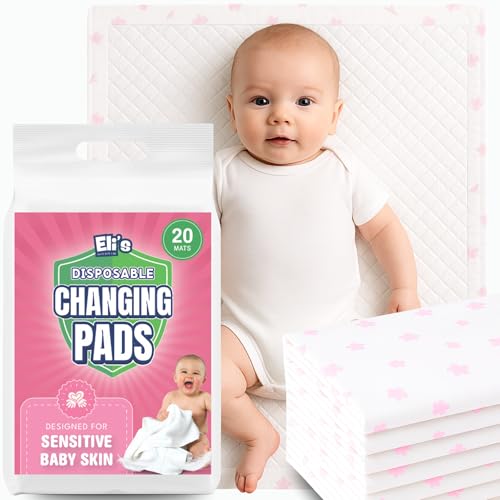
- SOFT & GENTLE ON BABY’S SKIN: Each diaper changing pad features a quilted top layer that’s smooth and non-irritating—ide…
- MADE FOR BABIES, NOT PETS OR HOSPITALS: Unlike generic pads made for medical or pet use, our disposable diaper changing …
- 24 x 18 INCH CONVENIENT TRAVEL CHANGING PAD: Lightweight and compact, these baby pee pads measure 24 x 18 inches and fol…

- Huggies Size Newborn Diapers: 31 Little Snugglers Baby Diapers, size Newborn (up to 10 lbs), packaging may vary
- Huggies Little Snugglers has 28% fewer blowouts** (** BM Leakage Size 1 versus leading store brand)
- Up to 100% Blowout & Leak Protection: Our baby diapers are designed with Huggies Leak Lock System that offers up to 12 h…

- 56 Wipes in 1 Pack of Pampers Sensitive Baby Wipes, Water Based, Hypoallergenic and Unscented
- CLINICALLY PROVEN: Pampers Sensitive baby wipes are clinically proven for baby’s sensitive skin
- SKIN-LOVING: Pampers Sensitive baby wipes help restore skin’s natural pH levels, helping to improve skin with every wipe…
Traveling with cloth diapers is genuinely more complicated than with disposables. There’s no getting around that.
You need to plan for storing dirty diapers, you need wet bags, and you need to accept either doing laundry during your trip or bringing enough diapers for the entire time.
For short trips of 2-3 days, any system works if you bring a big enough wet bag and don’t mind doing a load of laundry when you get home. For longer trips or plane travel, you might want to consider hybrid systems or strategically using disposables.
GroVia’s biodegradable inserts are genuinely useful for travel. You’re still using your regular covers for leak protection, but you can toss the insert as opposed to storing it.
This massively reduces the yuck factor of travel cloth diapering.
Nobody wants to carry a wet bag full of dirty diapers through airport security or leave it in a hotel room for three days.
Some parents travel with prefolds and covers specifically because prefolds are thin and easy to pack. A dozen prefolds take up less space than a dozen stuffed pocket diapers.
And they dry super fast if you need to hand-wash in a hotel sink.
You can wash prefolds in the evening, hang them over the shower rod or the heater, and they’re dry by morning.
Esembly’s system is actually decent for travel if you’re okay with wet bag storage. The two-piece design means Outers can sometimes be reused without washing if they didn’t get soiled, which reduces the quantity you need to pack.
You might get two or three uses from each Outer if you’re lucky and they stay clean.
Pack more inserts than outers. Maybe 15-18 inserts but only 6-8 outers.
You’ll be changing inserts every time but hopefully reusing some outers.
This reduces volume in your suitcase.
Consider where you’re going. If you’re visiting family who have laundry, pack enough for two days and plan to wash.
If you’re staying in a hotel without laundry access, pack enough for the whole trip or plan to use disposables for part of it.
Environmental Impact Reality Check
Since environmental reasons drive a lot of families to choose cloth diapers in the first place, we should talk honestly about which systems have better or worse environmental footprints.
The 2008 UK Environment Agency lifecycle study found that environmental impact largely depends on laundering habits. The most eco-friendly approach involves washing in cold or warm water, line drying, and using diapers for many children.
Organic cotton diapers like Esembly or Thirsties have lower agricultural impact than conventional cotton, with no pesticides or synthetic fertilizers. But cotton growing is water-intensive regardless.
It takes a lot of water to grow cotton whether it’s organic or not.
Hemp is actually more sustainable to grow, requiring fewer pesticides and less water during cultivation, but hemp processing uses more water to separate the fibers. The manufacturing process matters as much as the growing process.
Bamboo fabric is often marketed as eco-friendly because bamboo grows incredibly fast without pesticides. But turning bamboo into fabric needs harsh chemical processing unless it’s mechanically processed, which is expensive and rare.
Most bamboo inserts are rayon made from bamboo through chemical processing.
The final product is fine for baby, but the manufacturing process isn’t as green as marketing suggests.
Synthetic materials like microfiber and PUL are petroleum-based, which has its own environmental issues. But they dry fast, which reduces dryer energy use.
And they’re incredibly durable.
A microfiber insert might last longer than organic cotton that wears out faster with repeated washing. Durability matters for environmental impact too.
The most environmentally responsible option is probably used prefolds and covers that you line-dry. You’re extending the usable life of products that already exist, using minimal water and zero dryer energy.
It’s not sexy or Instagram-worthy, but it’s objectively the lowest-impact choice.
If environmental impact is your true top priority, the hierarchy looks like this: used diapers of any kind because you’re not creating new manufacturing demand, prefolds and covers that dry quickly, fitted diapers with wool covers that need infrequent washing, AI2 systems with natural fibers like Esembly or GroVia or Thirsties, pocket diapers with bamboo inserts, pocket diapers with microfiber, and all-in-ones at the bottom because slow drying means more dryer energy.
Water quality matters too. If you have hard water and need extra rinse cycles to get diapers clean, your water usage goes up.
If you have soft water, you need less detergent and fewer rinses.
Your personal environmental impact depends partly on factors outside your control.
Real Cost Comparison Over Three Years
Let’s do actual math on what different systems cost over a full diapering period, including replacement costs and assuming you can resell at the end.
Esembly Complete System: You’re spending $609 initially for a full setup. Add another $100 replacing Inners that wear out from repeated washing.
Add $150 replacing Outers where the Velcro has worn out and the closures don’t hold anymore.
Total spent is $859. Resale value for gently used Esembly is around $300 if you’ve taken care of everything.
Net cost is $559.
Budget Pocket Diapers from Alva: You’re spending $150 initially for 24 diapers with inserts. Add $50 replacing failed diapers where snaps popped off or PUL delaminated. Total spent is $200.
Resale value is maybe $40 because these are budget brands people don’t pay much for used. Net cost is $160.
Premium Snap Diapers from Bumgenius: You’re spending $525 initially for a full snap closure stash. Add $0 for replacements because snaps don’t wear out and the construction holds up.
Total spent is $525.
Resale value for well-maintained Bumgenius is around $300 because the brand is recognized and trusted. Net cost is $225.
Prefolds and Covers: You’re spending $130 initially for a dozen prefolds and 6 covers. Add $0 for replacements because this stuff lasts forever.
Total spent is $130.
Resale value is maybe $30 because prefolds don’t command high prices used even though they’re still functional. Net cost is $100.
GroVia Hybrid System: You’re spending $450 initially for shells and cloth inserts. Add $200 for biodegradable disposable inserts used occasionally for travel and sick days over three years.
Total spent is $650.
Resale value is around $250 for GroVia in good condition. Net cost is $400.
This doesn’t include detergent and utilities, which are roughly the same across all systems at around $200-250 over three years. You’re washing the same amount regardless of which brand you’re washing.
The interesting thing here is that premium snap diapers actually end up comparable to Esembly when you factor in resale and replacement costs. Budget options are clearly cheapest, but the gap narrows more than you’d think when you account for the full lifecycle.
If you’re planning for many children, divide these costs by the number of kids using the same stash. Esembly used for three kids costs $186 net per child.
Suddenly it looks way more reasonable.
Bumgenius for three kids costs $75 per child. Prefolds for three kids costs $33 per child.
This math assumes you resell at the end. If you plan to keep the diapers for a second or third child, the resale value doesn’t matter and your actual out-of-pocket is just the initial investment plus any replacements.
When to Choose What
After all this, here’s my actual recommendation framework for different family situations.
Choose Esembly if you’re a first-time cloth diapering parent who wants simplicity and minimal decision-making, you can absorb the upfront cost without financial stress, you care about organic materials and certifications, your baby isn’t an extreme heavy wetter, and you have easy laundry access. Esembly delivers exactly what it promises, which is streamlined, aesthetically pleasing, good-quality cloth diapering that removes complexity.
You’re paying for a curated experience where someone else made all the decisions about materials and design, and that has real value if it means the difference between cloth diapering and not bothering.
Choose budget pocket diapers if cost is a genuine barrier to cloth diapering at all, you’re comfortable with synthetic materials, you want maximum flexibility to adjust absorption, you don’t mind slightly shorter product lifespan, and you’re not worried about resale value. These get the job done for way less money.
The performance is good enough that you’re still getting the main benefits of cloth diapering, which are cost savings versus disposables and keeping thousands of diapers out of landfills.
Choose premium snap diapers from Bumgenius, GroVia, or Best Bottom if you’re planning for many children and want maximum durability, resale value matters to you, you want established brands with huge user communities for troubleshooting, and you’re okay with slightly more complexity than Esembly. These represent the sweet spot of performance, longevity, and reasonable cost.
They’ll outlast hook-and-loop systems and you’ll get more money back when you resell.
Choose prefolds and covers if you’re the most budget-conscious and willing to learn, you’re staying home with baby and not needing daycare friendliness, environmental impact is your absolute top priority, and you want the fastest drying option. This is old-school but effective.
The learning curve is real, but once you master it you’re getting performance that rivals anything else for a fraction of the price.
Choose hybrid systems like GroVia or Flip if you travel often, you want the option to occasionally use disposables without switching systems entirely, you need flexibility for illness or overwhelm periods, and you like having choices for different situations. The versatility is genuinely valuable.
You’re not locked into cloth 100% of the time, but you’re getting most of the benefits.
Choose fitted diapers with covers if overnight leaking is making your life miserable, you’ve tried everything else and nothing works, and you’re willing to accept slower drying and two-piece changes for bulletproof leak protection. These solve extreme heavy wetter problems that other systems can’t touch.
They’re not convenient, but they work when convenience doesn’t matter as much as actually keeping your baby dry through the night.
Testing Strategy Before Committing
Rather than buying a complete stash of anything right away, consider testing different systems with small purchases. Buy 3-4 diapers of several different types and use them for a month.
Most online retailers have returns or exchanges, and Esembly offers that 30-day trial.
Use these opportunities.
What sounds great in theory might drive you crazy in practice. Or something you thought would be annoying turns out fine.
The only way to really know is to actually use the diapers with your specific baby in your specific situation.
Pay attention to what actually frustrates you versus what you thought would be issues. Some parents are sure they’ll hate pocket diapers because of stuffing, then find it’s actually kind of meditative or at least not as bad as expected. Others think hook-and-loop will be essential for convenience, then find out about they prefer snaps because their toddler can’t unfasten them.
Buy one overnight solution, one daytime solution, one budget option, and one premium option. See what actually works for your specific baby’s body type, your laundry situation, your partner’s preferences, and your lifestyle.
Your baby might have chunky thighs that gap with certain brands but fit perfectly in others.
You might have a front-loading washer that agitates poorly and needs prefolds to come clean. Your partner might be totally fine with cloth as long as it’s simple, which means you need an all-in-one as opposed to a two-piece system.
The right cloth diaper system is the one you’ll actually use consistently. That’s different for every family, and it might not be what online reviews or mommy bloggers say is best.
It’s whatever works for you, actually works in real life with real constraints and real preferences.
Testing also let’s you figure out sizing before committing. One-size diapers claim to fit from 8 pounds to 35 pounds, but they don’t all fit the same.
Some brands run small and don’t work well on newborns.
Others run large and leak on small babies. Testing tells you what actually fits your baby now and will likely continue fitting as they grow.
- 100%polyester
- Imported
- Superior Absorbency: Our CoolaPeach cloth diapers are equipped with 6 high-quality microfiber inserts, ensuring maximum …
- Complete Cloth Diapering Set: Includes 4 adjustable pocket cloth diapers and 4 viscose with microfiber inside absorbent …
- Adjustable Fit for Growing Babies: Designed to fit babies from 10 lbs to 35 lbs with adjustable snap settings, ensuring …
- Easy to Clean: Diapers are Machine Washable and quick drying with separated inserts, our cloth diapers can be included w…
People Also Asked
What’s the cheapest way to cloth diaper?
The absolute cheapest way to cloth diaper involves buying used prefolds and covers. You can find used prefolds on Facebook Marketplace or cloth diaper swap groups for $2-3 each, and used covers for $5-8 each.
A complete used prefold setup costs around $50-70 total.
If you’re buying new, the cheapest option is budget pocket diapers from Chinese brands like Alva Baby or Mama Koala at $4-6 per diaper. A complete stash of 24 diapers runs $100-150 with inserts included. Both options will save you thousands compared to disposables over two to three years.
Do cloth diapers work for heavy wetters?
Standard cloth diapers struggle with heavy wetters, but specific solutions work really well. Hemp inserts absorb significantly more than cotton in the same thickness and can handle extreme wetters.
Fitted diapers with covers provide 6-8 layers of absorption and rarely leak even overnight with heavy wetters.
Doubling up inserts in pocket or AI2 diapers also works, using one quick-absorbing bamboo insert plus one high-capacity hemp insert. Most heavy wetter problems come down to not having enough absorption in the wet zone as opposed to the diaper system itself being inadequate.
Are snap or velcro cloth diapers better?
Snaps last significantly longer than Velcro, essentially forever versus 12-18 months before wearing out. Snaps maintain better resale value and work better once babies become mobile and start pulling at closures.
Velcro offers easier adjustability and faster changes, plus it’s more intuitive for caregivers unfamiliar with cloth diapers.
For one child where convenience matters most, Velcro works fine. For many children or maximum durability, snaps perform better.
Many brands offer both closure types, and some parents keep both in their stash for different situations.
Can you use different cloth diaper brands together?
You can absolutely mix brands in your cloth diaper stash. Most inserts work with most covers as long as the sizes roughly match.
A medium insert from one brand generally fits in a medium cover from another brand.
Mixing brands let’s you improve for different situations as opposed to accepting one system’s compromises. Use budget diapers for daycare, premium diapers at home, and overnight-specific solutions for nighttime.
The only constraint is that you need to understand which pieces work together, but this becomes obvious quickly with minimal experimentation.
How many cloth diapers do you need?
For full-time cloth diapering with laundry every 2-3 days, you need 24-30 diapers for a newborn who goes through 10-12 per day, or 18-24 diapers for an older baby who uses 6-8 per day. If you’re doing laundry less frequently or don’t have in-unit laundry, you need more like 36 diapers to span 4-5 days between washes.
For AI2 systems, you typically need fewer outers than inners since outers can sometimes be reused, maybe 8-10 outers but 20-24 inners.
Part-time cloth diapering needs fewer diapers, maybe 12-15 if you’re only using cloth at home and disposables elsewhere.
Do cloth diapers save money compared to disposables?
Cloth diapers save $1,500-2,000 per child compared to disposables. Disposables cost roughly $70-80 per month or $2,100-2,400 over three years of diapering.
A complete cloth diaper system costs $100-600 upfront depending on brand and style, plus $200-250 in detergent and utilities, totaling $300-850 over three years.
The savings increase dramatically with extra children since you’re reusing the same cloth diapers. For three children, disposables cost $6,300-7,200 total versus cloth at $400-1,000, saving over $5,000.
Even premium cloth brands save money long-term.
What cloth diapers are best for daycare?
Daycare-friendly cloth diapers need to be simple and work like disposables from the caregiver’s perspective. All-in-one diapers like Bumgenius Freetime require no assembly, you grab one item and use it exactly like a disposable.
Pocket diapers work well if you stuff them ahead of time so caregivers just grab and go.
Avoid systems requiring folding or two-piece changes unless your daycare is specifically experienced with cloth. Some parents use budget pocket diapers for daycare specifically because losing or ruining one doesn’t hurt as much financially.
Can you cloth diaper without a washer and dryer?
You can cloth diaper without in-unit laundry but it needs more planning. Choose diapers that dry quickly like pocket diapers or prefolds as opposed to all-in-ones that take 24+ hours to dry.
Build a larger stash of 36+ diapers so you can go 5-7 days between laundromat trips.
Some apartment dwellers wash cloth diapers in the bathtub, though this needs more physical effort. Line drying works fine for most cloth diaper types and eliminates dryer costs entirely.
Microfiber inserts dry in 2-3 hours hanging, while cotton takes 12-24 hours, so material choice matters.
Are bamboo or microfiber inserts better?
Bamboo inserts absorb more liquid than microfiber in the same thickness and don’t develop compression leaking or repelling issues over time like microfiber can. Microfiber dries much faster, often in 2-3 hours versus 12-24 hours for bamboo.
Microfiber costs less, typically $2-3 per insert versus $5-7 for bamboo.
For quick daytime changes where fast drying matters, microfiber works well. For overnight or heavy wetters where absorption capacity matters more, bamboo performs better.
Many parents use microfiber during the day and bamboo at night to improve for different needs.
What’s the difference between AI1, AI2, and pocket diapers?
All-in-one diapers are one piece with absorbent material sewn directly to a waterproof she’ll, used exactly like disposables. All-in-two diapers have a separate waterproof she’ll and absorbent insert that snaps in or lays in, allowing you to sometimes reuse the she’ll.
Pocket diapers have a waterproof outer with a pocket opening where you stuff absorbent inserts, creating a stay-dry layer between insert and baby’s skin. All-in-ones are most convenient but slowest to dry.
All-in-twos offer moderate convenience with faster drying. Pockets allow maximum absorption customization and dry quickly since pieces separate.
How do you wash cloth diapers properly?
Proper cloth diaper washing involves a prewash cycle to remove solid waste and urine, followed by a main wash with suitable detergent for your water type. Use enough water for proper agitation.
A typical routine includes a short cold prewash with a small amount of detergent, then a long hot main wash with a full dose of detergent.
Skip fabric softener which causes repelling. Dry thoroughly between uses to prevent mildew.
Washing every 2-3 days prevents smell and staining better than waiting longer.
Water hardness, machine type, and detergent brand all affect results, so some experimentation is needed.
Do you need special detergent for cloth diapers?
You don’t need special cloth diaper detergent, but you need detergent that cleans effectively without leaving residue. Many regular detergents work fine including Tide, Gain, Persil, and Kirkland.
Avoid detergents with fabric softener built in which causes repelling.
Use enough detergent for proper cleaning. Too little detergent leaves diapers smelling and failing to remove urine.
The cloth diaper specific detergents work but often cost more without performing better.
Your water hardness matters more than detergent brand. Hard water needs more detergent for proper cleaning while soft water needs less.