Create a sustainable nursery on any budget with our complete guide. From cloth diapers to non-toxic decor, learn eco-friendly choices that save money and protect baby.
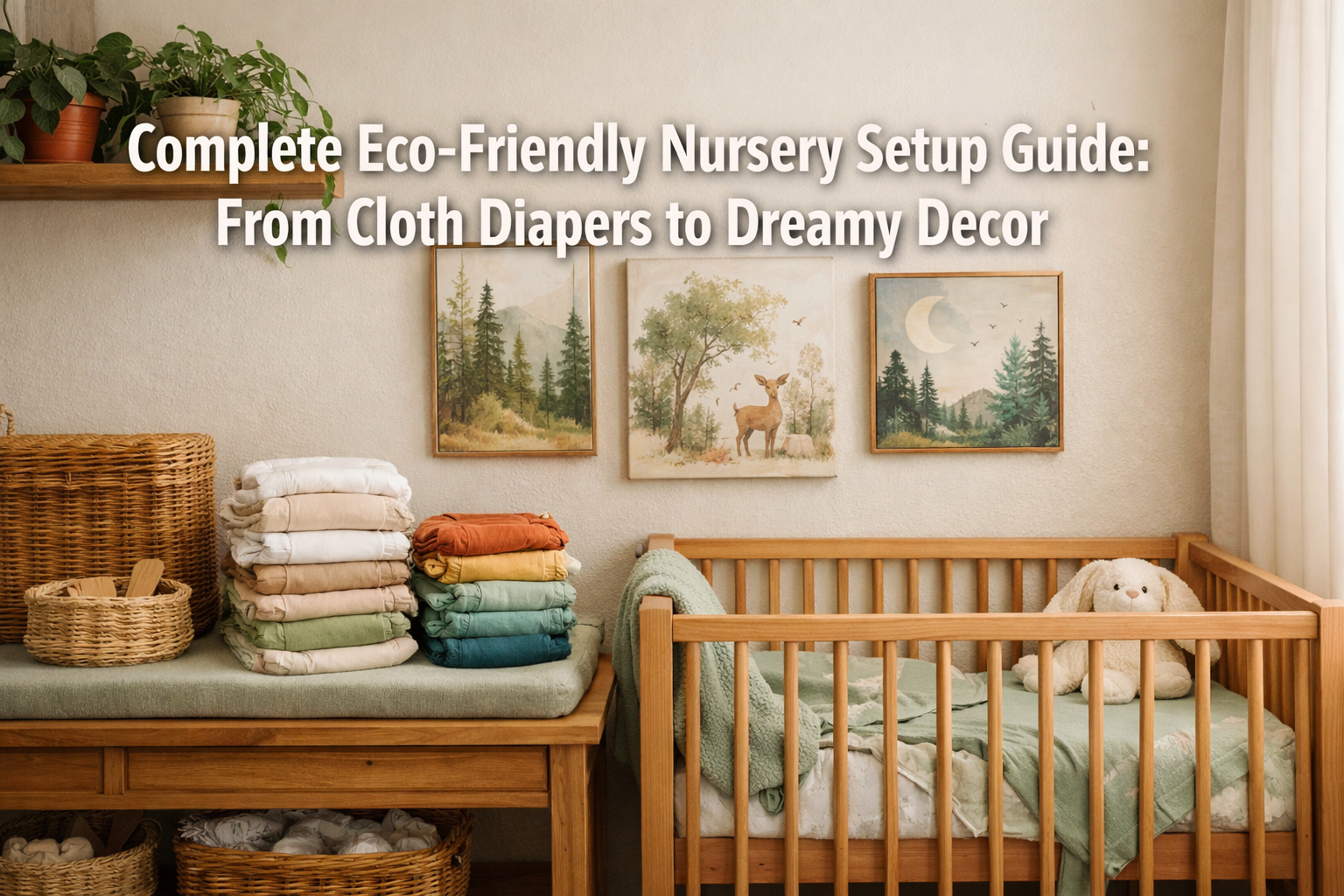
Picture this: You’re standing in an empty room, paint swatches in one hand and a growing list of baby gear in the other, wondering how on earth you’ll create a nursery that’s both beautiful and kind to the planet your little one will inherit. The good news? Creating a sustainable nursery in 2026 doesn’t mean sacrificing style or breaking the bank—and it all starts with one surprisingly simple choice that saves thousands of dollars while keeping tons of waste out of landfills.
This Complete Eco-Friendly Nursery Setup Guide: From Cloth Diapers to Dreamy Decor walks through every decision from the foundation up, beginning with the most impactful swap any eco-conscious parent can make: cloth diapers. From there, we’ll explore how to build a nursery that embraces 2026’s biggest trends—biophilic design, screen-free spaces, and non-toxic materials—without requiring a trust fund or a degree in environmental science.
Key Takeaways
- Cloth diapers form the financial and environmental foundation of a sustainable nursery, preventing approximately 6,000 disposable diapers per child from entering landfills while saving $1,500-$2,000 over the diapering years
- Greenguard Gold certification and FSC-certified wood are the 2026 gold standards for nursery furniture, ensuring products are tested for over 10,000 chemical emissions and sourced from responsibly managed forests
- Biophilic design dominates 2026 nursery trends, with natural materials like rattan, bamboo, and solid wood paired with earthy tones creating calming, nature-inspired spaces that support infant development
- Low-VOC paints and organic textiles dramatically reduce airborne toxins in nurseries, with water-based finishes and GOTS-certified organic cotton protecting developing respiratory systems
- Budget-friendly sustainability is achievable through strategic choices like second-hand furniture, DIY projects, and multi-functional pieces that grow with your child
Why Cloth Diapers Are the Foundation of Your Eco-Friendly Nursery
The Environmental and Financial Case
Before selecting paint colors or furniture, the single most impactful decision for both the planet and your wallet happens at the changing table. A baby will go through approximately 6,000-8,000 diaper changes before potty training. When those are disposable diapers, that’s literally tons of waste headed to landfills—waste that takes 500 years to decompose while leaching chemicals into soil and groundwater.
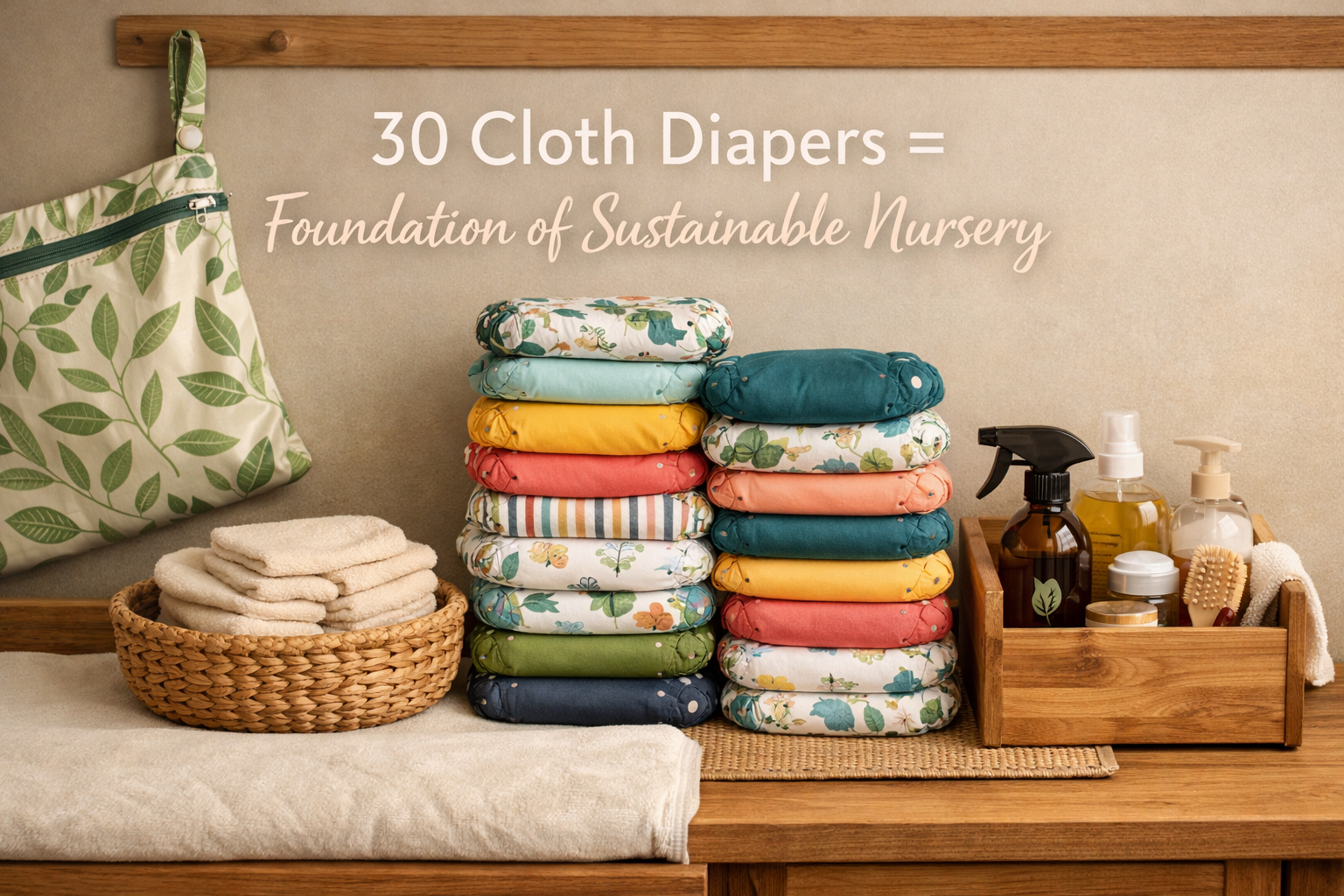
Cloth diapers flip this equation entirely. A complete cloth diaper stash of 24-30 diapers costs between $300-$600 upfront (depending on the system chosen), compared to $2,000-$3,000 spent on disposables over the same period. That’s a savings of $1,500-$2,400 that can fund every other sustainable choice in your nursery.
But the benefits extend beyond the bank account. Modern cloth diapers have evolved light-years beyond the safety pins and plastic pants of previous generations. Today’s systems feature snap closures, moisture-wicking fabrics, and designs so adorable they’ve spawned their own collector communities.
Getting Started: Your Cloth Diaper Starter Kit
Building a cloth diaper foundation doesn’t require overwhelming complexity. Here’s what actually works for most families:
Essential Starter Inventory:
- 24-30 cloth diapers (mix of all-in-ones, pockets, or covers with inserts)
- 6-8 diaper covers (if using prefolds or flats)
- 2-3 wet bags for storage and travel
- Cloth wipes and wipe solution
- Diaper sprayer for solid waste removal
- Laundry detergent suitable for cloth diapers
For parents new to cloth diapering, navigating the world of cloth diapers can feel overwhelming at first. The key is understanding that different systems work for different families—there’s no single “right” way to cloth diaper.
Popular 2026 Cloth Diaper Systems:
| System Type | Best For | Price Range | Learning Curve |
|---|---|---|---|
| All-in-Ones (AIOs) | Beginners, daycare | $$$ | Easy |
| Pocket Diapers | Customizable absorbency | $$ | Moderate |
| Covers + Prefolds | Budget-conscious | $ | Steeper |
| Hybrid Systems | Part-time cloth users | $$ | Easy |
Many parents find success with popular brands that have proven track records. For a detailed comparison, check out the ultimate guide to reusable diapers from Esembly to GroVia, which breaks down the pros and cons of leading systems.
Addressing Common Cloth Diaper Concerns
“But what about leaks?”
Leaks typically result from fit issues or absorbency problems, not the cloth itself. Understanding why cloth diapers leak at night and how to fix it solves 90% of nighttime frustrations. The solution usually involves adding boosters or adjusting the fit rather than abandoning cloth entirely.
“Won’t they cause more diaper rash?”
Actually, many parents report fewer rashes with cloth because they change babies more frequently and avoid the chemicals found in disposables. However, proper washing routines matter. If issues arise, understanding cloth diaper rash causes and solutions helps troubleshoot quickly.
“The laundry seems overwhelming.”
Modern washing machines make cloth diaper laundry surprisingly simple: a cold rinse, hot wash with appropriate detergent, and extra rinse. That’s it. Most families run diaper laundry every 2-3 days, adding about 2-3 extra loads per week—a small price for the financial and environmental benefits.
Organizing Your Cloth Diaper Station
The changing area becomes command central for cloth diapering success. Here’s how to set it up for maximum efficiency:
🌿 Sustainable Storage Solutions:
- Wicker baskets for clean diaper storage (avoid plastic bins)
- Cotton wet bag hanging on a hook for dirties
- Wooden diaper caddy with compartments for wipes, creams, and accessories
- Bamboo shelf above changing table for backup supplies
One parent shared: “I was terrified of cloth diapering until I actually organized my station. Having everything in reach—clean diapers in a beautiful wicker basket, wipes in a reusable container, and the wet bag right there—made it feel totally doable. Now it’s second nature, and I actually love showing off my diaper stash to visitors!”
Click on the picture below to buy now
Building Your Eco-Friendly Nursery: Furniture and Materials
The 2026 Furniture Standards: Greenguard Gold and FSC Certification
With cloth diapers establishing your sustainable foundation, furniture represents the next major investment. In 2026, two certifications have become non-negotiable for eco-conscious parents: Greenguard Gold and FSC certification.
Greenguard Gold certification verifies that furniture has been tested for over 10,000 chemical emissions and volatile organic compounds (VOCs)[2]. This matters enormously because babies spend 12-16 hours daily in their nurseries during the first year, breathing air that can be contaminated by off-gassing furniture.
FSC (Forest Stewardship Council) certification ensures wood comes from responsibly managed forests that provide environmental, social, and economic benefits[1][5]. When shopping for cribs, dressers, and changing tables, prioritizing FSC-certified solid wood over particle board or MDF prevents formaldehyde exposure while supporting sustainable forestry.
Essential Furniture Pieces and Sustainable Alternatives
The Convertible Crib: Your Long-Term Investment
The cornerstone of any nursery, a quality convertible crib transitions from infant bed to toddler bed to daybed, serving your child for 5-10 years. This multifunctional approach embodies 2026’s sustainable design philosophy[2].
What to Look For:
- ✅ FSC-certified solid wood (walnut or oak preferred)
- ✅ Greenguard Gold certification
- ✅ Water-based, low-VOC finishes
- ✅ Converts to toddler bed and daybed
- ✅ Adjustable mattress heights
- ❌ Avoid particle board, MDF, or unknown wood sources
- ❌ Skip cribs with strong chemical smells
Price Reality Check:
- New sustainable crib: $400-$1,200
- Second-hand quality crib: $100-$300
- Savings from cloth diapers: $1,500-$2,400
Notice how cloth diaper savings more than cover a premium sustainable crib with money left over for other eco-friendly choices.
The Changing Table/Dresser Combo
Rather than purchasing a dedicated changing table that becomes obsolete after 2-3 years, choose a standard dresser with a removable changing pad on top. This dual-purpose piece serves for decades.
Sustainable Options:
- Solid wood dresser with non-toxic finish
- Vintage dresser refinished with low-VOC paint
- Bamboo dresser (rapidly renewable resource)
The Second-Hand Furniture Opportunity
Thrift stores, online marketplaces, and consignment shops offer incredible opportunities for sustainable nursery furnishing. Vintage furniture often features solid wood construction superior to modern particle board alternatives[1].
Second-Hand Shopping Safety Checklist:
- ✓ Verify crib meets current safety standards (slats no more than 2⅜ inches apart)
- ✓ Check recall databases before purchasing
- ✓ Inspect for structural soundness and stability
- ✓ Ensure no missing hardware or broken pieces
- ✓ Look for solid wood rather than veneer or particle board
- ✓ Plan to refinish with low-VOC products if needed
A parent’s success story: “We found a gorgeous solid oak dresser from the 1960s at an estate sale for $75. After sanding and refinishing it with water-based, low-VOC polyurethane, we had a stunning changing table/dresser that will last through multiple children and eventually become an heirloom. The craftsmanship puts modern furniture to shame.”
Organic Mattresses and Bedding
Crib mattresses deserve special attention because babies sleep directly on them for hours daily. Conventional mattresses often contain flame retardants, polyurethane foam, and vinyl covers that off-gas chemicals.
Sustainable Mattress Features:
- Organic cotton or wool cover
- Natural latex or organic cotton fill
- Greenguard Gold certified
- Waterproof layer made from food-grade polyethylene (not vinyl/PVC)
- Dual-firmness (firm infant side, softer toddler side)
Bedding Essentials:
- 2-3 organic cotton fitted crib sheets
- 2-3 waterproof mattress protectors
- Organic cotton sleep sacks (instead of loose blankets)
Organic cotton and bamboo textiles are free from toxic dyes and synthetic pesticides while being gentler on infant skin[1][3]. The investment pays dividends in both safety and durability—organic cotton sheets often outlast conventional alternatives by years.
Creating Dreamy, Non-Toxic Decor: The 2026 Biophilic Approach
Understanding 2026’s Dominant Design Trend: Biophilic Nurseries
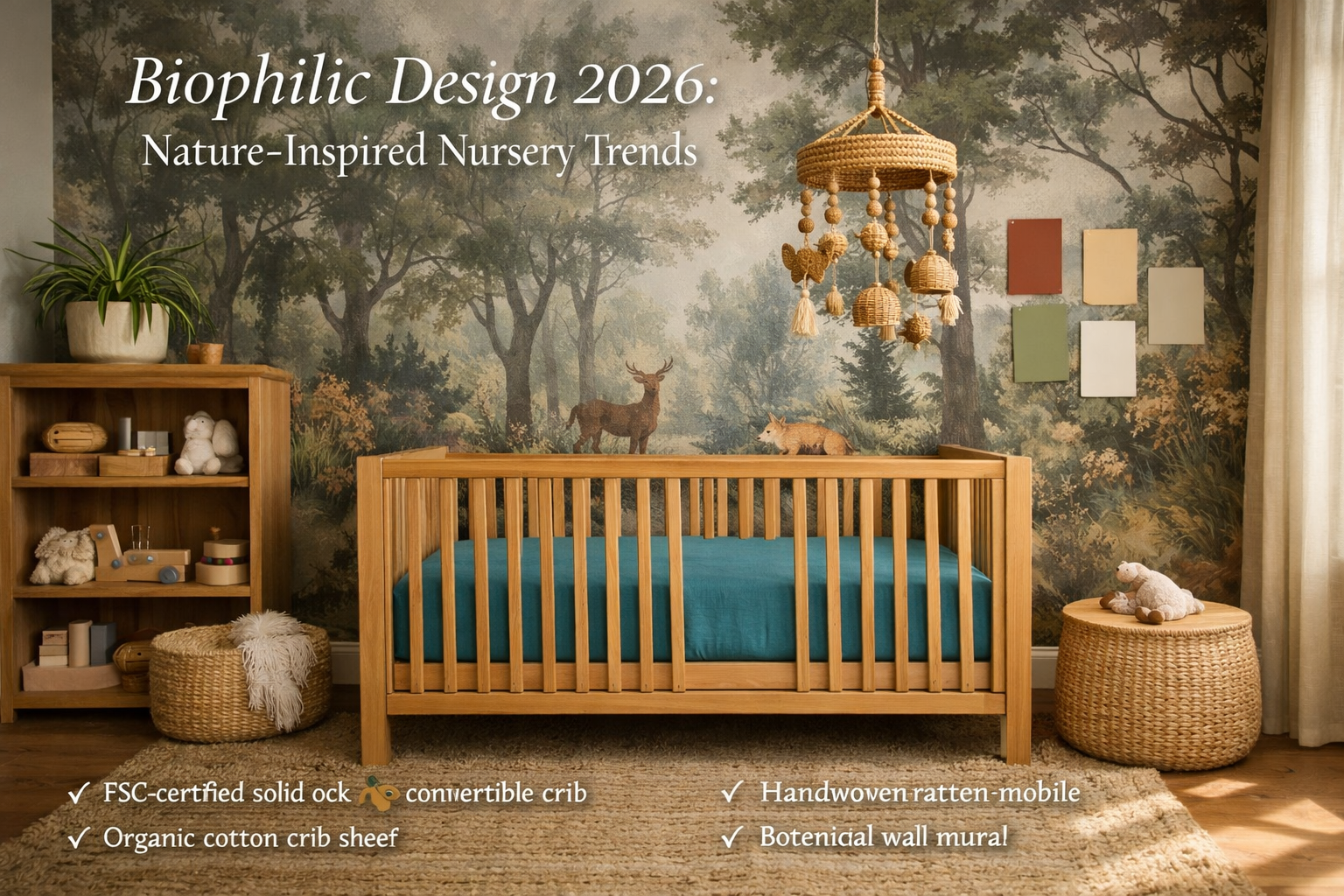
The most significant shift in nursery design for 2026 is the embrace of biophilic design—incorporating natural materials, earthy tones, and nature-inspired elements to create calming, developmentally supportive spaces[2]. This isn’t just aesthetic preference; research shows nature-connected environments support better sleep quality and encourage tactile exploration in infants.
The “Moody Woodland Heritage” aesthetic has emerged as 2026’s signature look, emphasizing quiet luxury rooted in nature[2]. Think deep forest greens, warm terracotta, soft sage, and natural wood tones rather than the stark white and bright primary colors of previous decades.
The Paint Decision: Low-VOC is Non-Negotiable
Paint represents one of the most significant sources of indoor air pollution in new nurseries. Volatile organic compounds (VOCs) off-gas from conventional paints for weeks or months after application, exposing infants to respiratory irritants during their most vulnerable developmental period[3][4].
Low-VOC Paint Requirements:
- VOC content under 50 g/L (many quality brands now offer 0-5 g/L)
- Water-based formulations
- No added formaldehyde or other toxic preservatives
- Greenguard Gold certified when possible
2026 Color Trend Alert: Behr’s 2026 Color of the Year for nurseries is “Hidden Gem,” a soft blue-green that promotes calm and quiet energy[8]. This shade perfectly embodies the biophilic trend while providing a soothing backdrop for sleep and play.
Application Tips:
- Paint 2-4 weeks before baby’s arrival to allow complete off-gassing
- Ventilate thoroughly during and after painting
- Consider leaving baby out of the room for the first week after painting
- Use low-VOC or natural primers as well
Wall Treatments: From Murals to Wallpaper
Beyond paint, walls offer opportunities for creative, nature-inspired design that supports the biophilic aesthetic.
Sustainable Wall Decor Options:
🌲 Forest-Themed Murals: Hand-painted or decal murals featuring trees, mountains, and woodland creatures create immersive natural environments. Choose decals made from PVC-free materials or hire a local artist using low-VOC paints.
🍃 Botanical Wallpaper: Leaf-patterned or nature-inspired wallpaper adds visual interest while maintaining the biophilic theme[2]. Look for wallpapers with low-VOC adhesives and sustainable materials.
🖼️ Natural Fiber Wall Hangings: Macramé, woven tapestries, and textile art made from organic cotton or wool add texture and warmth without synthetic materials.
🌿 Framed Botanical Prints: Simple, affordable, and easily changeable as your child grows. Choose wooden frames from sustainable sources.
DIY Project Idea: Create a nature-inspired gallery wall using pressed flowers or leaves from your yard, framed in thrifted wooden frames painted with low-VOC paint. This personalized touch costs under $50 and creates a unique focal point.
Flooring Considerations
If renovating or choosing flooring, prioritize options that minimize chemical exposure:
Sustainable Flooring Hierarchy:
- Hardwood (FSC-certified) with water-based polyurethane finish
- Cork (renewable, naturally antimicrobial, soft for crawling)
- Natural linoleum (not vinyl—true linoleum is made from linseed oil)
- Bamboo (rapidly renewable, durable)
Area Rugs:
- Natural fiber rugs (wool, cotton, jute, sisal)
- Organic cotton rugs
- Avoid synthetic rugs treated with stain-resistant chemicals
Lighting: Natural and Non-Toxic
The 2026 trend toward screen-free nurseries emphasizes eliminating digital distractions and prioritizing natural light[2]. This supports better circadian rhythm development and sleep quality.
Sustainable Lighting Strategy:
- Maximize natural light with window treatments that allow daytime brightness
- Use LED bulbs (energy-efficient, long-lasting, low heat)
- Install dimmer switches for nighttime diaper changes
- Choose light fixtures made from natural materials (wood, bamboo, rattan)
- Avoid nightlights with blue light; choose warm amber tones
Blackout Solutions:
Rather than chemical-treated blackout curtains, consider:
- Bamboo or wooden blinds with blackout shades behind
- Organic cotton blackout curtains (verify dye-free or low-impact dyes)
- Removable blackout film for windows
Storage Solutions: Ditching the Plastic
Plastic storage bins dominate conventional nurseries, but sustainable alternatives offer superior aesthetics and environmental benefits[1].
Natural Storage Alternatives:
| Storage Need | Sustainable Solution | Aesthetic Bonus |
|---|---|---|
| Toy storage | Wicker baskets, wooden crates | Texture, warmth |
| Clothing | Wooden dresser, cotton bins | Timeless style |
| Books | Wooden bookshelf, wall-mounted ledges | Display-worthy |
| Diapers | Wicker baskets, cotton bins | Spa-like feel |
| Blankets | Wooden ladder, cotton basket | Decorative element |
Organization Tip: Label storage containers with wooden tags or fabric labels rather than plastic label makers. This maintains the natural aesthetic while keeping everything organized.
Bringing Nature Inside: Plants and Greenery
Non-toxic plant varieties placed safely out of reach complete the biophilic nursery[2]. Plants improve air quality, add living beauty, and introduce children to nature from birth.
Baby-Safe Plant Options:
- Spider plants (air-purifying, non-toxic, easy care)
- Boston ferns (humidity-loving, safe, lush)
- Bamboo palm (tropical feel, air-purifying)
- Prayer plants (colorful, non-toxic, interesting movement)
Safety Considerations:
- Place plants on high shelves or hanging planters out of baby’s reach
- Avoid toxic varieties (pothos, philodendron, peace lily)
- Use ceramic or wooden planters rather than plastic
- Ensure pots are stable and won’t tip easily
Click on the picture below to buy now
Budget-Friendly Strategies for Every Price Point
The Three-Tier Approach to Sustainable Nursery Building
Not every family can afford premium organic everything, and that’s perfectly okay. Sustainability isn’t all-or-nothing; it’s about making the best choices possible within your budget.
Tier 1: Minimal Budget ($500-$1,000)
Prioritize:
- Cloth diapers (biggest environmental and financial impact)
- Second-hand crib (verified safe, solid wood if possible)
- Low-VOC paint (minimal cost difference from conventional)
- DIY decor (pressed botanicals, painted thrift finds)
- Natural fiber area rug (second-hand or affordable jute)
Skip for now:
- Organic mattress (use conventional with organic cotton cover)
- New furniture (thrift everything possible)
- Premium brands (focus on materials over labels)
Tier 2: Moderate Budget ($1,000-$3,000)
Add to Tier 1:
- Organic crib mattress (long-term health investment)
- One piece new sustainable furniture (convertible crib or dresser)
- Organic cotton bedding (sheets and sleep sacks)
- Quality used furniture (invest in refinishing)
- Natural fiber window treatments
Tier 3: Flexible Budget ($3,000+)
Complete sustainable nursery:
- All new Greenguard Gold certified furniture
- Organic mattress and complete organic bedding set
- Premium cloth diaper system
- Custom low-VOC paint or wallpaper
- Handcrafted natural decor pieces
- Professional nursery design consultation
Money-Saving Strategies That Don’t Compromise Sustainability
💰 Borrow Before Buying: Baby gear libraries, neighborhood sharing groups, and hand-me-downs from friends reduce consumption dramatically. Babies outgrow items so quickly that borrowing makes perfect sense.
💰 DIY Whenever Possible: Painting thrifted furniture, creating wall art, sewing curtains from organic fabric remnants, and building simple shelves saves hundreds while adding personal touches.
💰 Buy Once, Buy Quality: A $600 convertible crib used for 8 years costs $75 per year. A $200 crib replaced after 2 years costs $100 per year. Quality sustainable pieces actually save money long-term.
💰 Focus on High-Impact Swaps: Cloth diapers, low-VOC paint, and organic mattresses deliver the biggest health and environmental benefits per dollar spent.
💰 Shop Sales and Second-Hand First: Many premium sustainable brands offer excellent sales, especially during Black Friday and end-of-season clearances. Second-hand marketplaces often feature barely-used premium items at 50-70% off retail.
💰 Register Strategically: For baby showers and gifts, register for sustainable essentials rather than trendy gadgets that quickly become clutter. A well-organized diaper bag bundle makes a practical, appreciated gift.
The Long-Term Financial Picture
Here’s what sustainable choices actually cost over time:
Conventional Nursery (3 years):
- Disposable diapers: $2,500
- Conventional furniture (replaced/outgrown): $1,200
- Conventional bedding (replaced multiple times): $300
- Plastic storage and decor: $400
- Total: $4,400
Sustainable Nursery (3 years):
- Cloth diapers: $500
- Quality convertible furniture (lasts 8+ years): $1,200
- Organic bedding (lasts longer): $400
- Natural storage (lasts indefinitely): $300
- Total: $2,400
- Savings: $2,000 (plus furniture still has years of use remaining)
The sustainable nursery actually costs less while providing healthier, longer-lasting, more beautiful results.
Room to Grow: Designing for Longevity
The Convertible Mindset
The most sustainable nursery is one that evolves rather than gets replaced. Every purchasing decision should consider: “Will this serve my child for years, or just months?”
Furniture That Grows:
- Convertible cribs → toddler beds → daybeds
- Changing tables → dressers → teen furniture
- Adjustable shelving → growing book collections
- Quality seating → reading nooks for older children
Decor That Adapts:
- Nature themes work from birth through elementary years
- Neutral wall colors accommodate changing interests
- Removable decals and art swap easily
- Quality textiles in classic patterns remain relevant
The Minimalist Advantage
2026’s screen-free nursery trend emphasizes sensory-rich materials over electronic elements and quantity[2]. This minimalist approach benefits both sustainability and child development.
What Babies Actually Need:
- Safe sleep space
- Comfortable changing area
- Organized storage
- A few high-quality toys
- Calm, soothing environment
What They Don’t Need:
- Dozens of stuffed animals
- Electronic gadgets and monitors with screens
- Trendy decor that quickly dates
- Plastic everything
- Overstimulating colors and patterns
One parent reflected: “We started with a minimalist nursery—just the essentials in natural materials. I worried it would feel empty, but it’s actually peaceful. My daughter seems calmer in the space, and I’m not constantly decluttering or feeling overwhelmed by stuff. Plus, we saved thousands by not buying things we didn’t need.”
Practical Implementation: Your Step-by-Step Timeline
6-8 Months Before Baby
- ✅ Research and purchase cloth diaper system
- ✅ Select and order sustainable furniture (or begin thrift hunting)
- ✅ Choose paint colors and purchase low-VOC paint
- ✅ Plan room layout and measure spaces
4-6 Months Before Baby
- ✅ Paint nursery (allowing maximum off-gassing time)
- ✅ Assemble or refinish furniture
- ✅ Install shelving and storage solutions
- ✅ Order organic mattress and bedding
2-4 Months Before Baby
- ✅ Set up cloth diaper changing station
- ✅ Add window treatments
- ✅ Incorporate plants (safely positioned)
- ✅ Hang wall art and decor
- ✅ Organize clothing and supplies in natural storage
1 Month Before Baby
- ✅ Wash all organic bedding and cloth diapers
- ✅ Final organization and arrangement
- ✅ Add finishing touches (books, small decor items)
- ✅ Ensure room is well-ventilated and aired out
After Baby Arrives
- ✅ Adjust and adapt as you learn your baby’s needs
- ✅ Add items only as genuinely needed
- ✅ Resist impulse purchases
- ✅ Enjoy your peaceful, healthy space
Click on the picture below to buy now
Maintaining Your Eco-Friendly Nursery
Cleaning and Care
Sustainable materials require appropriate care to maintain their beauty and longevity.
Natural Cleaning Solutions:
- Wood furniture: Olive oil and lemon juice polish
- Organic textiles: Gentle, plant-based detergents
- Floors: Vinegar and water solution
- Windows: Vinegar and newspaper (yes, really!)
Avoid harsh chemical cleaners that introduce toxins into your carefully curated non-toxic space. Simple, natural solutions work beautifully and cost pennies.
Cloth Diaper Maintenance
Proper care ensures cloth diapers last through multiple children. For comprehensive washing guidance, understanding how to get rid of ammonia smell in cloth diapers prevents the most common long-term issue.
Basic Washing Routine:
- Cold rinse cycle
- Hot wash with appropriate detergent
- Extra cold rinse
- Line dry or low-heat tumble dry
Troubleshooting Common Issues:
- Leaks: Check fit and absorbency; add boosters if needed
- Stains: Sunlight naturally bleaches stains from wet diapers
- Odors: Strip wash if buildup occurs (every 3-6 months)
- Repelling: Avoid fabric softeners and certain creams
When Things Don’t Go as Planned
Sustainability isn’t about perfection. Sometimes you’ll use disposables during illness or travel. Sometimes you’ll buy something conventional because it’s what’s available or affordable. That’s okay.
Progress, not perfection, is the goal. Every sustainable choice matters, even if it’s not every choice.
Beyond the Nursery: Extending Eco-Friendly Practices
The Diaper Bag Connection
Your sustainable nursery extends beyond four walls. Choosing an eco-friendly, well-organized diaper bag completes the picture. For parents juggling work and parenting, the diaper bag that does it all becomes an essential daily companion.
Quality over quantity applies here too. One well-made bag with thoughtful organization beats multiple cheap bags that fall apart. For dads seeking style without sacrificing function, the dad diaper bag that actually looks good proves sustainable doesn’t mean sacrificing aesthetics.
Building Community
Connect with other eco-conscious parents through:
- Local cloth diaper groups
- Online sustainable parenting communities
- Baby gear swaps and libraries
- Parenting classes focused on minimalism and sustainability
These connections provide support, resources, and often hand-me-downs that keep items in circulation rather than landfills.
Teaching Values Early
Even before your child understands words, they’re absorbing values through your choices. A nursery filled with natural materials, mindful purchases, and items built to last teaches respect for resources and the environment from day one.
Conclusion: Your Sustainable Nursery Journey Starts Now
Creating a Complete Eco-Friendly Nursery Setup: From Cloth Diapers to Dreamy Decor isn’t about achieving Pinterest-perfect aesthetics or spending a fortune on premium brands. It’s about making intentional choices that protect your baby’s health, honor the planet they’ll inherit, and often save significant money in the process.
The foundation—cloth diapers—delivers immediate environmental and financial benefits while establishing your commitment to sustainable parenting. From there, each choice builds on the last: low-VOC paint creates healthy air quality, FSC-certified furniture ensures responsible forestry, organic textiles eliminate pesticide exposure, and biophilic design elements support development while creating beauty.
The 2026 trends toward natural materials, screen-free spaces, and nature-inspired design align perfectly with both sustainability and child development research. You’re not choosing between what’s best for the planet and what’s best for your baby—they’re the same thing.
Your Next Steps
This Week:
- Start researching cloth diaper systems and order a trial set
- Create a Pinterest board or folder of sustainable nursery inspiration
- Set a realistic budget based on your tier (minimal, moderate, or flexible)
This Month:
4. Begin thrift shopping for quality solid wood furniture
5. Select low-VOC paint colors and purchase supplies
6. Make a list of items you can borrow or buy second-hand
This Quarter:
7. Paint the nursery (allowing maximum off-gassing time)
8. Order or build essential furniture pieces
9. Set up your cloth diaper changing station
10. Begin adding natural decor elements
Remember: every sustainable choice matters, even if it’s not every choice. Progress over perfection. Your baby doesn’t need a magazine-worthy nursery—they need a safe, healthy, loving space. The fact that you’re reading this guide means you’re already providing exactly that.
Welcome to eco-conscious parenting. Your journey starts with a single cloth diaper and grows into a lifetime of mindful choices. The nursery you create today becomes the foundation for the values you’ll teach tomorrow.
References
[1] Eco Friendly Nursery Tips – https://www.pureborn.com/blogs/news/eco-friendly-nursery-tips
[2] Nursery Trends For 2026 From Biophilic Design To Screen Free Spaces – https://www.americordblood.com/articles/nursery-trends-for-2026-from-biophilic-design-to-screen-free-spaces
[3] Creating A Non Toxic Nursery Haven Tips And Ideas – https://www.growfragrance.com/blogs/learn/creating-a-non-toxic-nursery-haven-tips-and-ideas
[4] What Should A Healthy Nursery Include In 2026 – https://resident.com/resource-guide/2026/01/08/what-should-a-healthy-nursery-include-in-2026
[5] Nursery Decor Trends Moms Are Loving In 2026 Smart Stylish And Sustainable – https://simplestepsmarket.com/blogs/simple-steps-journal/nursery-decor-trends-moms-are-loving-in-2026-smart-stylish-and-sustainable
[8] Nursery Color Of The Year – https://www.halosleep.com/blogs/halo/nursery-color-of-the-year
Click on the picture below to buy now