Cloth Diaper Rash
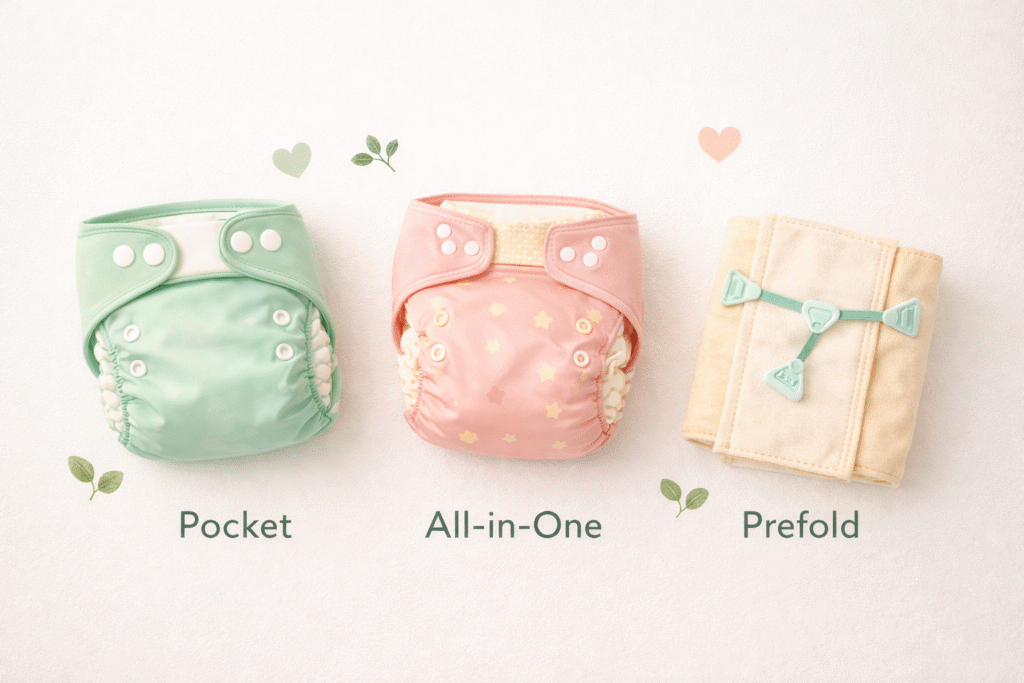
One of the main reasons parents switch to cloth is to reduce diaper rash. Cloth diapers eliminate the chemical gels and fragrances found in disposables, but rashes can still happen due to moisture or friction. Understanding the underlying causes helps you treat and prevent irritation.
Different Types of Diaper Rash
Rashes come in various forms: redness from prolonged wetness, yeast infections that look like raised dots or patches, allergic reactions to detergent or fabric, and friction rashes caused by tight elastics. Identifying the type of rash guides your solution—yeast requires antifungal treatment, while moisture rashes need improved absorbency.
Moisture Management with Liners
Cloth diapers can feel damp against the skin, especially natural fibers like cotton. Stay‑dry liners made of microfleece or athletic wicking jersey keep baby’s skin dry by pulling moisture into the absorbent layers. You can buy reusable liners or repurpose microfleece fabric cut to size. Disposable liners are another option when using rash cream.
Choosing Cloth‑Safe Creams
Some diaper creams contain petroleum or zinc oxide that coat the fabric and reduce absorbency. Use cloth‑safe creams like coconut oil, shea butter, or balms formulated specifically for cloth. If you need to use a traditional zinc cream, place a liner between the diaper and cream to prevent buildup.
Laundry Adjustments for Sensitive Skin


- 100%polyester
- Imported
- Superior Absorbency: Our CoolaPeach cloth diapers are equipped with 6 high-quality microfiber inserts, ensuring maximum …

- Complete Cloth Diapering Set: Includes 4 adjustable pocket cloth diapers and 4 viscose with microfiber inside absorbent …
- Adjustable Fit for Growing Babies: Designed to fit babies from 10 lbs to 35 lbs with adjustable snap settings, ensuring …
- Easy to Clean: Diapers are Machine Washable and quick drying with separated inserts, our cloth diapers can be included w…
Detergent residue can irritate sensitive skin. Switch to a fragrance‑free detergent and double rinse your diapers. Avoid fabric softeners and dryer sheets, which leave residue on fabrics. Occasionally strip or deep clean your diapers if you suspect build‑up is contributing to rashes.
FAQs Do cloth diapers cause more rashes? No. Cloth diapers often reduce rashes because they contain no chemical gels or fragrances. Rashes in cloth are usually due to moisture or detergent residue, both of which are fixable.
How do I treat a yeast rash with cloth diapers? Consult your healthcare provider to treat yeast rashes with antifungal cream. Then sanitize your diapers: wash with a small amount of bleach or use high temperatures to kill yeast, and dry in the sun.
Are natural fibers better for sensitive skin? Yes. Natural fibers like cotton, bamboo, and hemp are breathable and less likely to cause irritation. Avoid synthetic stay‑dry materials if your baby has a known sensitivity to polyester.
For a comprehensive understanding of cloth diapering, check out our Ultimate Guide to Cloth Diapers.