Picture this: you’re holding your precious newborn for the first time, overwhelmed with love and… the sudden realization that this tiny human will go through thousands of diapers in the coming years. 💕 As eco-conscious parents increasingly seek sustainable alternatives, the question “Can I Use Cloth Diapers For Newborn?” has become more relevant than ever. The short answer is absolutely yes – but there’s so much more to discover about making this wonderful choice for your baby and the planet.
Key Takeaways
• Cloth diapers are safe and suitable for newborns from day one, offering excellent comfort and protection when properly fitted
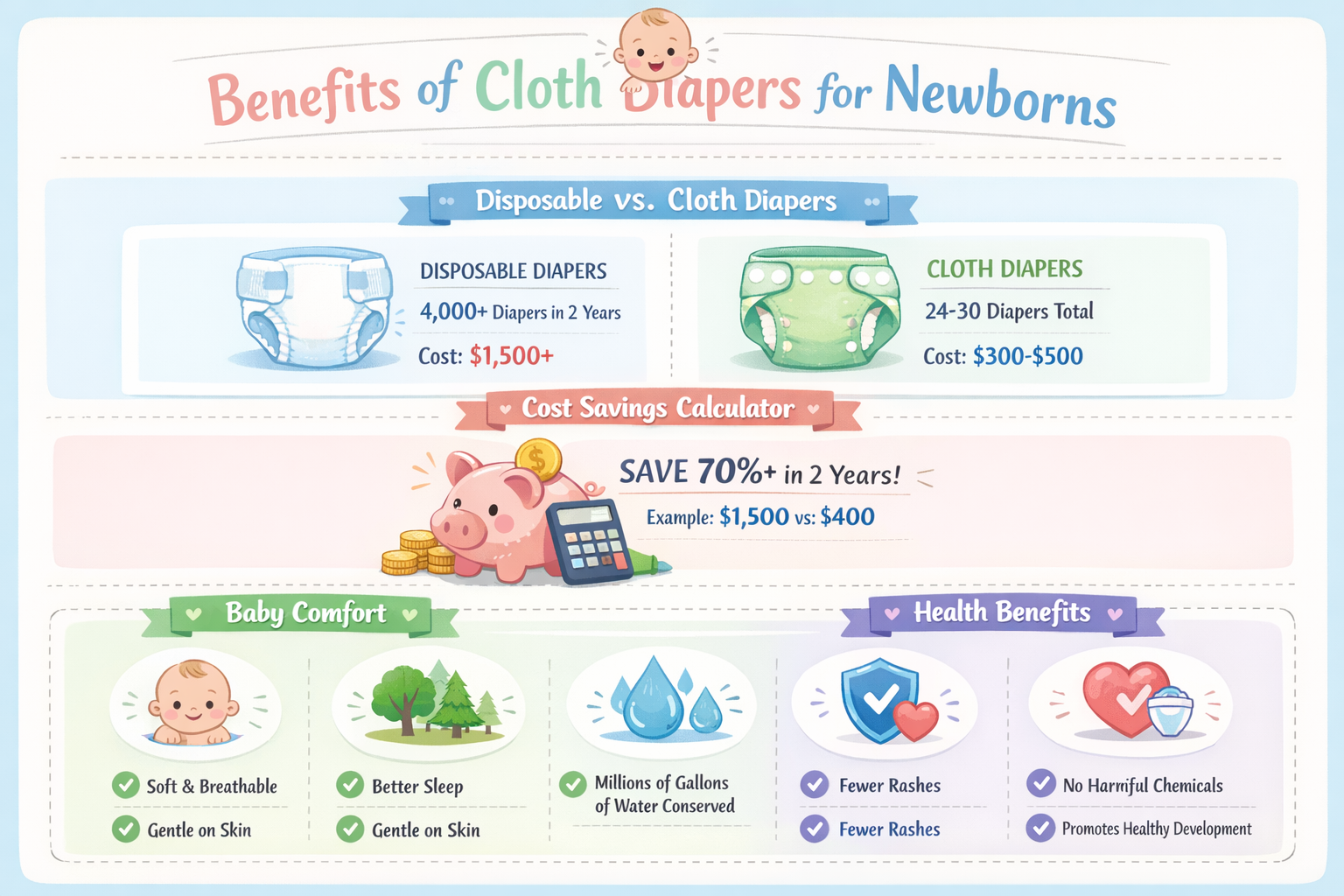
• Significant cost savings can be achieved over time, with families typically saving $1,500-$2,500 per child compared to disposables
• Environmental benefits are substantial, reducing landfill waste by approximately 2,000+ pounds per child
• Proper sizing and fit are crucial for newborns, with many brands offering specific newborn sizes or adjustable options
• Initial investment and learning curve require patience, but most families find their rhythm within 2-3 weeks
Understanding Cloth Diapers for Your Newborn Baby
When considering whether you can use cloth diapers for newborn babies, it’s essential to understand that modern cloth diapers have evolved dramatically from the safety pins and plastic pants of previous generations. Today’s cloth diapering systems are designed with newborn-specific features that make them just as convenient and effective as their disposable counterparts.
What Makes Newborn Cloth Diapers Special?
Newborn babies have unique needs that quality cloth diaper manufacturers have carefully considered. Newborn-specific cloth diapers typically feature:
- Umbilical cord snaps or cuts that prevent irritation around the healing belly button
- Extra-small sizing to accommodate babies weighing 5-12 pounds
- Softer, more absorbent materials designed for sensitive newborn skin
- Adjustable rise settings that grow with your baby during those rapid first months
The materials used in modern cloth diapers are often gentler than those found in disposables. Natural fibers like organic cotton, bamboo, and hemp create a breathable environment that reduces the risk of diaper rash – a common concern for new parents.
Types of Cloth Diapers Suitable for Newborns
All-in-One (AIO) Diapers are perfect for beginners and caregivers who want simplicity. These diapers have everything built in – the absorbent layer and waterproof cover are sewn together, making them as easy to use as disposables.
Pocket Diapers offer customizable absorbency by allowing parents to stuff absorbent inserts into a pocket. This flexibility is particularly valuable for newborns, whose wetting patterns can be unpredictable.
Fitted Diapers with Covers provide maximum absorbency and are excellent for heavy wetters or overnight use. The fitted diaper provides absorption while a separate waterproof cover prevents leaks.
Prefolds and Flats with Covers represent the most economical option and offer unlimited customization. While they require more folding and fastening, many parents love the versatility and cost-effectiveness.
Benefits of Using Cloth Diapers for Newborns
Financial Advantages That Add Up Quickly
The financial benefits of cloth diapering become apparent quickly, especially when you consider that newborns can go through 10-12 diapers per day. A complete cloth diaper stash for a newborn typically costs $200-$600 upfront, compared to spending $2,500-$3,000 on disposables over the diapering years.
Consider Sarah’s story: “When our twins were born, we calculated that disposables would cost us nearly $6,000 over two years. Our initial investment in cloth diapers was $800, and we’ve saved thousands while having diapers ready for future babies too!”
The savings multiply if you plan to have more children, as cloth diapers can be reused for multiple babies with proper care. Many families find that their cloth diaper investment pays for itself within 4-6 months of consistent use.
Environmental Impact: A Gift to Future Generations
Environmental consciousness drives many parents to choose cloth diapers for their newborns. The statistics are compelling:
- A single child in disposable diapers contributes approximately 2,000-3,000 pounds of waste to landfills
- Disposable diapers take 250-500 years to decompose
- Manufacturing disposable diapers requires significantly more water and energy than washing cloth diapers
When you choose cloth diapers for your newborn, you’re making a decision that benefits not just your baby, but the planet your child will inherit. The water used to wash cloth diapers is minimal compared to the water required to manufacture disposables, and modern washing machines and detergents make the process more efficient than ever.
Health and Comfort Benefits for Sensitive Newborn Skin
Newborn skin is incredibly delicate, and cloth diapers offer several health advantages:
Chemical-free environment: Quality cloth diapers contain no bleaches, fragrances, or chemical absorbents that can irritate sensitive skin. This is particularly important for newborns, whose skin barrier is still developing.
Better breathability: Natural fibers allow air circulation, reducing moisture buildup and the risk of diaper rash. Many parents report fewer instances of diaper rash when using cloth diapers consistently.
Temperature regulation: Cloth diapers don’t trap heat the way disposables can, helping keep your newborn comfortable throughout the day and night.
Getting Started: Can I Use Cloth Diapers For Newborn From Day One?
Hospital Considerations and Early Days
Many hospitals allow cloth diaper use, but it’s wise to check their policies beforehand. Some parents choose to use disposables for the first few days while establishing breastfeeding and recovering from birth, then transition to cloth diapers once they’re home and settled.
Meconium considerations: Newborn’s first stools (meconium) are sticky and tar-like. While cloth diapers can handle meconium, some parents find it easier to use disposable liners or even disposable diapers for the first few days until the baby’s stools transition to normal newborn consistency.
Building Your Newborn Cloth Diaper Stash
How many diapers do you need? For exclusive cloth diaper use with a newborn, most experts recommend:
- 20-24 newborn-sized diapers for washing every 2-3 days
- 6-8 waterproof covers if using prefolds or fitted diapers
- 30-36 inserts or prefolds for adequate absorption
- Diaper liners to make cleanup easier (optional but helpful)
Sizing considerations: Newborns grow quickly, so some parents prefer to buy fewer newborn-specific diapers and invest more in “one-size” diapers that adjust from approximately 8-35 pounds. However, dedicated newborn sizes often provide a better fit for tiny babies.
Essential Accessories for Newborn Cloth Diapering
A well-organized diaper bag becomes even more important with cloth diapers. You’ll need:
Wet bags: Waterproof bags for storing soiled diapers when out and about
Diaper sprayer: Helpful for rinsing solid waste (though not necessary for exclusively breastfed babies)
Cloth-safe detergent: Specially formulated detergents that clean effectively without leaving residue
Extra clothes: Cloth diapers may have a learning curve, so pack extra outfits initially
Click here to access Diaper Cost Calculator
Addressing Common Concerns: Can I Use Cloth Diapers For Newborn Successfully?
Dealing with Frequent Changes and Blowouts
Newborns require frequent diaper changes – sometimes every 1-2 hours – which can feel overwhelming when starting with cloth diapers. However, this frequency actually works in favor of cloth diapering, as it prevents the heavy soiling that makes cleanup more challenging.
Blowout management is often easier with well-fitted cloth diapers than with disposables. The key is proper sizing and ensuring the diaper covers the baby’s back adequately. Many parents find that cloth diapers with good elastic around the legs and waist actually contain messes better than disposables.
Maria, a mother of three, shares: “I was terrified of blowouts with cloth diapers, but honestly, we had fewer explosive messes than we did with our first baby in disposables. The natural fibers seemed to contain everything better, and cleanup was actually easier because we weren’t dealing with gel crystals mixed into the mess.”
Nighttime Use and Extended Wear
Overnight cloth diapering for newborns requires some strategy but is absolutely achievable. The key considerations include:
Boosting absorbency: Adding extra inserts or using more absorbent materials like hemp or bamboo for nighttime
Proper fit: Ensuring the diaper isn’t too loose (which causes leaks) or too tight (which causes compression leaks)
Strategic changing: Some parents do a “dream feed” diaper change around 2-3 AM to maintain comfort
For detailed troubleshooting, parents often find success by learning about compression leaks and how to fix them, which can be particularly relevant during those long newborn sleep stretches.
Washing and Maintenance Concerns
Washing newborn cloth diapers is simpler than many parents expect, especially during the exclusively breastfed stage when baby’s waste is water-soluble and doesn’t require pre-rinsing.
Basic washing routine:
- Cold rinse to remove initial soiling
- Hot wash with appropriate detergent amount
- Extra rinse if needed to ensure all soap residue is removed
- Air dry or low-heat tumble dry
Frequency: Most families wash diapers every 2-3 days to prevent odor buildup and maintain hygiene. This schedule works well with the 20-24 diaper recommendation for newborns.
The learning curve for washing is typically 2-3 wash cycles to find the right routine for your water type and machine. Many parents find that once they establish their routine, washing becomes as automatic as any other laundry task.
Practical Tips for Success with Newborn Cloth Diapers
Sizing and Fit Considerations
Proper fit is crucial for newborn cloth diaper success. Signs of a good fit include:
- Snug but not tight around the waist – you should be able to fit one finger comfortably under the waistband
- Proper leg gusset placement – the elastic should sit in the crease where the leg meets the body
- Adequate rise – the diaper should come up to the baby’s natural waist, not sit low like a bikini
Common fitting mistakes include:
- Making the diaper too loose to avoid red marks (which actually causes more leaks)
- Not adjusting the rise settings as baby grows
- Using newborn diapers too long instead of sizing up appropriately
Building Confidence Through Gradual Transition
Many successful cloth diaper families recommend a gradual approach when starting with newborns:
Week 1-2: Use cloth diapers during the day when you’re home and comfortable
Week 3-4: Expand to include outings and errands
Month 2+: Add nighttime use once you’ve mastered daytime changes
This approach allows parents to build confidence without feeling overwhelmed during the already challenging newborn period.
Creating Support Systems
Partner involvement is crucial for cloth diaper success. Ensure both parents understand the basics of changing, storing, and washing cloth diapers. Consider having your partner read comprehensive guides to reusable diapers to build shared knowledge.
Caregiver education becomes important if others will be caring for your baby. Create simple instruction sheets for grandparents, babysitters, or daycare providers who may be unfamiliar with cloth diapers.
Troubleshooting Common Issues
Preventing and Managing Leaks
Leak troubleshooting follows a systematic approach:
- Check the fit – Most leaks are caused by poor fit rather than inadequate absorption
- Assess absorbency needs – Newborns may need more or less absorption than expected
- Examine wash routine – Detergent buildup can cause repelling, leading to leaks
- Consider timing – Are leaks happening at specific times that suggest a pattern?
Understanding why cloth diapers leak at night and how to fix it can be particularly helpful for newborn parents dealing with extended wear periods.
Addressing Skin Sensitivity
While cloth diapers generally cause fewer skin issues than disposables, some newborns may still experience sensitivity. Strategies for sensitive skin include:
Material selection: Choose natural fibers like organic cotton or bamboo over synthetic materials
Detergent adjustment: Use minimal, cloth-safe detergent and ensure thorough rinsing
Increased changing frequency: Even more frequent changes during the adjustment period
Barrier creams: Use cloth-safe creams or disposable liners when needed
For comprehensive information about preventing issues, parents can reference guides about cloth diapers and diaper rash to ensure they’re taking appropriate preventive measures.
Managing Odor and Staining
Odor prevention starts with proper storage and washing:
- Dry storage: Never store wet diapers in airtight containers
- Regular washing: Don’t let diapers sit longer than 3 days
- Adequate detergent: Use enough detergent for your water hardness and soil level
- Proper drying: Ensure diapers are completely dry before storage
Stain management for newborn diapers often involves:
- Sun bleaching: Natural sunlight removes most stains effectively
- Pre-treatment: Address stains quickly with appropriate stain removers
- Proper washing temperature: Hot water helps remove protein-based stains
Long-term Considerations and Planning
Growing with Your Baby
Transitioning sizes is an important consideration when starting with newborn cloth diapers. Most babies outgrow newborn-specific diapers by 2-3 months, so planning for the next size is crucial.
One-size diapers typically start fitting well around 10-12 pounds, making them perfect for transitioning from newborn-specific diapers. Some families choose to invest primarily in one-size diapers and supplement with a few newborn diapers for the early weeks.
Planning for Future Children
One of the most significant advantages of cloth diapering is reusability for subsequent children. Properly cared for cloth diapers can easily last through 2-3 children, making the per-child cost incredibly low.
Storage considerations between children include:
- Thorough cleaning and sanitizing before storage
- Proper storage environment – clean, dry, and pest-free
- Regular checking during storage to ensure no damage occurs
Building a Sustainable Routine
Long-term success with cloth diapers requires developing sustainable routines that work with your family’s lifestyle. This includes:
Efficient washing schedules that align with your family’s routine
Adequate stash size to prevent stress during busy periods
Backup plans for illness, travel, or other disruptions
Community support through online groups or local cloth diaper communities
Special Situations and Considerations
Premature Babies and Cloth Diapers
Premature babies can absolutely use cloth diapers, though special considerations apply:
- Extra-small sizing may require specialty brands that cater to preemies
- Hospital policies may be more restrictive, requiring advance discussion
- Skin sensitivity may be heightened, requiring careful material selection
- Medical equipment compatibility should be discussed with healthcare providers
Daycare and Cloth Diapers
Daycare acceptance of cloth diapers varies widely. When discussing cloth diaper use with potential daycares:
- Provide education about modern cloth diapers and their ease of use
- Offer to supply everything needed including wet bags and simple instructions
- Consider compromise solutions like using cloth at home and disposables at daycare initially
- Highlight health benefits that benefit all children in the facility
Travel and Outings with Newborn Cloth Diapers
Traveling with cloth diapers requires some additional planning but is entirely manageable:
Day trips: Pack extra diapers, wet bags for storage, and a small pack of wipes
Extended travel: Research washing facilities or consider a hybrid approach
Emergency backup: Always have a few disposables available for unexpected situations
Having a well-organized diaper bag system becomes even more important when managing cloth diapers on the go.
Cost-Effective Strategies for New Parents
Budget-Friendly Approaches
Starting cloth diapers on a budget is entirely possible with strategic planning:
Used diaper purchases: Quality used cloth diapers can provide significant savings while still offering excellent performance
Gradual building: Start with a smaller stash and build over time rather than purchasing everything at once
DIY options: Simple flat diapers and covers offer the most economical entry point
Sales and discounts: Many retailers offer new parent discounts or seasonal sales
Maximizing Your Investment
Getting the most value from your cloth diaper investment involves:
Proper care: Following washing instructions extends diaper life significantly
Versatile purchases: Choose diapers that will work for multiple children and various situations
Quality over quantity: Investing in well-made diapers often proves more economical than buying cheaper options that wear out quickly
Calculating True Costs
When considering “Can I Use Cloth Diapers For Newborn” from a financial perspective, comprehensive cost analysis should include:
- Initial purchase price of diapers and accessories
- Ongoing costs including detergent, water, and electricity for washing
- Time investment in washing and maintenance
- Potential savings from reduced diaper rash treatments and doctor visits
- Resale value of quality diapers after use
Most families find that even with all costs considered, cloth diapers provide substantial savings, especially when used for multiple children.
Making the Decision: Is Cloth Right for Your Family?
Honest Assessment of Your Situation
Successful cloth diapering requires honest evaluation of your family’s circumstances:
Time availability: Do you have time for the additional washing and maintenance?
Support system: Will your partner and other caregivers support the decision?
Living situation: Do you have adequate washing facilities and storage space?
Personal priorities: How important are environmental and health benefits to your family?
Starting Small and Building Confidence
Many families find success by starting with a trial approach:
- Purchase a small starter set to test different brands and styles
- Try cloth diapering part-time initially to build confidence
- Join online communities for support and troubleshooting advice
- Connect with local resources like cloth diaper libraries or lending programs
Creating Your Action Plan
If you’ve decided that cloth diapers are right for your newborn, creating a concrete plan helps ensure success:
- Research and purchase your initial stash before baby arrives
- Set up your washing station with appropriate detergents and accessories
- Educate your support team about cloth diaper basics
- Plan your approach for the hospital and first weeks home
- Identify resources for troubleshooting and ongoing support
For additional guidance, exploring comprehensive guides can provide detailed information about specific brands and systems that work well for newborns.
Conclusion
The question “Can I Use Cloth Diapers For Newborn?” has a resounding yes as an answer, supported by countless families who have successfully made this choice for their babies. Modern cloth diapers are designed specifically with newborn needs in mind, offering comfort, protection, and convenience that rivals disposable alternatives while providing significant environmental and financial benefits.
Success with newborn cloth diapers comes down to proper preparation, realistic expectations, and willingness to learn and adjust as needed. The initial learning curve is typically short – most families find their rhythm within 2-3 weeks – and the long-term benefits make the effort worthwhile.
Key factors for success include:
- Choosing appropriate sizes and styles for your newborn’s needs
- Building an adequate stash before baby arrives
- Establishing efficient washing and storage routines
- Having realistic expectations about the learning process
- Building a support system of knowledgeable caregivers
The financial savings alone – typically $1,500-$2,500 per child – make cloth diapers an attractive option for budget-conscious families. When combined with environmental benefits and potential health advantages, the case for cloth diapers becomes even more compelling.
Your next steps should include:
- Research specific brands and styles that work well for newborns in your price range
- Calculate your potential savings using your family’s specific circumstances
- Connect with other cloth diaper families for real-world advice and support
- Start building your stash gradually to spread out the initial investment
- Prepare your home setup for efficient washing and storage
Remember that every family’s journey with cloth diapers is unique. What works perfectly for one family may need adjustment for another, and that’s completely normal. The key is staying flexible, patient with yourself during the learning process, and focused on the long-term benefits for your baby, your budget, and the environment.
Whether you choose to use cloth diapers exclusively, part-time, or as a backup to disposables, any amount of cloth diaper use provides benefits. The most important thing is making an informed decision that aligns with your family’s values, circumstances, and goals.
For continued support and information, consider bookmarking helpful resources like reusable diaper guides and connecting with communities of parents who share your commitment to sustainable, healthy choices for their children. Your newborn’s diaper journey is just beginning, and with the right preparation and mindset, cloth diapers can be a rewarding choice that benefits your entire family for years to come.
SEO Meta Information:
Meta Title (59 characters): Can I Use Cloth Diapers For Newborn? Complete Parent Guide
Meta Description (158 characters): Discover if cloth diapers work for newborns. Complete guide covers benefits, costs, sizing, and practical tips for successful newborn cloth diapering.

- 100%polyester
- Imported
- Superior Absorbency: Our CoolaPeach cloth diapers are equipped with 6 high-quality microfiber inserts, ensuring maximum …

- Feature: double leg gusset,with snap for inserts, with hook and loop and with washing tab
- Size: Newborn cover used for babies weighing 4.4-10lbs (2-5kg) (rough guide only)
- Material: PUL (polyurethane laminate),Hook and Loop

- Cotton
- 100% COTTON BURP CLOTH: Crafted from pure, unbleached cotton, our birdseye weave cloth diaper offers soft and gentle car…
- SET INCLUDES: Choose from convenient packs of 6 or 12, each arriving in an attractive bag with easy-to-follow instructio…