Discover the best cloth diapers 2026 with our expert system review. Compare top brands, starter kits, and find the perfect eco-friendly diapering solution.
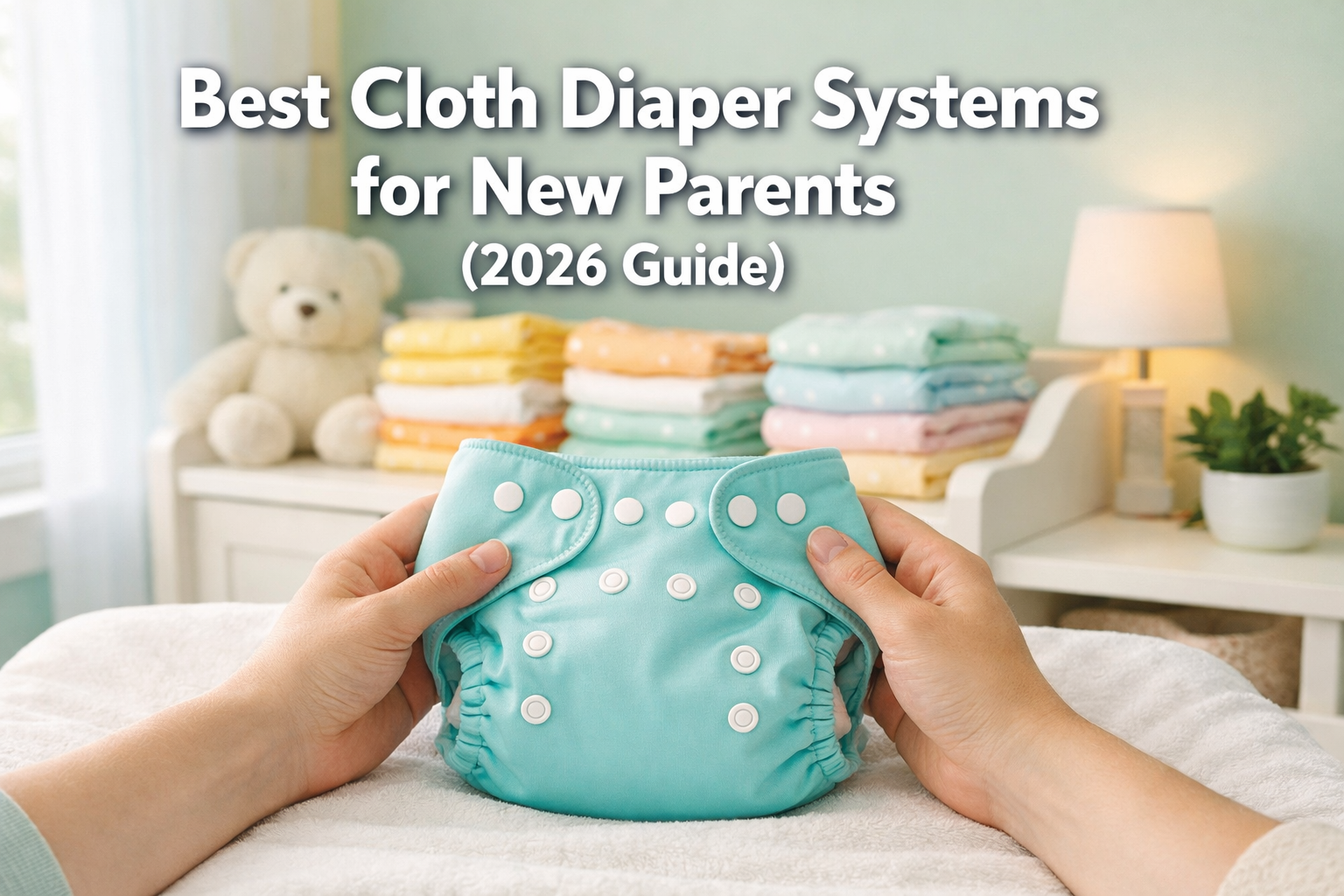
Picture this: You’re standing in the baby aisle, overwhelmed by rows of disposable diapers, mentally calculating that you’ll spend somewhere between $2,000 and $3,000 before your little one is potty trained. Then you notice a small section of colorful, patterned cloth diapers and wonder—could these really work in 2026? The answer might surprise you. Modern cloth diapering has evolved far beyond the safety pins and rubber pants your grandmother used, transforming into sophisticated systems that rival disposables in convenience while saving families thousands of dollars. If you’re searching for the best cloth diapers 2026 has to offer, this comprehensive cloth diaper system review will guide you through everything you need to know, from selecting the perfect cloth diaper starter kit to mastering the art of leak-free nights.
Key Takeaways
- Four main cloth diaper systems exist in 2026: All-in-One (easiest), Pocket (customizable), Prefolds (most economical), and All-in-Two (balanced approach)—each suited to different parenting styles and budgets
- Top-performing diapers like Rumparooz G3 Pocket and bumGenius All-in-One deliver 12+ hours of leak-free protection with fast absorption speeds, rivaling premium disposables
- Starter kits require 20-24 diapers for full-time cloth diapering, with budget options starting around $150 and premium systems reaching $600+
- Modern features including adjustable snap closures, moisture-wicking fabrics, and guide snaps make today’s cloth diapers dramatically easier than previous generations
- Long-term savings average $1,500-$2,000 per child compared to disposables, with potential to reuse diapers for multiple children or resell them
Understanding Cloth Diaper Systems in 2026
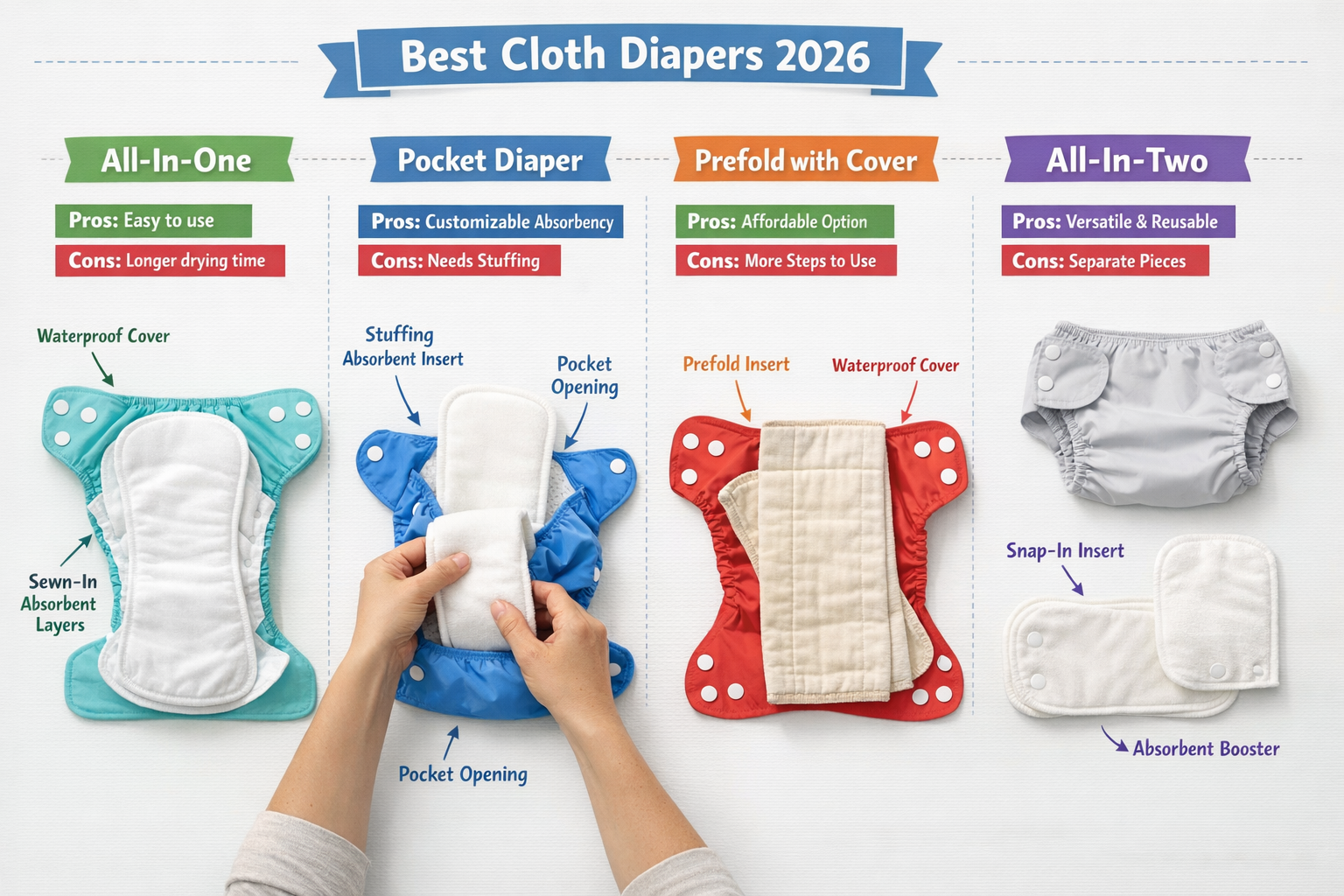
The world of cloth diapering can feel like learning a new language. Parents encounter terms like “prefolds,” “flats,” “pockets,” and “AIOs” without much context. But here’s the good news: understanding the four primary cloth diaper systems makes everything else fall into place.
The Four Main Types of Cloth Diaper Systems
All-in-One (AIO) Diapers represent the closest thing to disposables in the cloth world. These diapers come as a complete unit—absorbent layers sewn directly into a waterproof cover. Simply put them on your baby, and when they’re soiled, toss the whole thing in the wash. No stuffing, no assembling, no separate pieces to track[2].
The bumGenius All-in-One exemplifies this category perfectly. With its adjustable snap closures that grow with your baby, moisture-wicking interior layer, and waterproof outer cover, it functions exactly like a disposable—except you wash and reuse it[1]. Parents love AIOs for their simplicity, especially when dealing with caregivers or daycare providers who might be intimidated by more complex systems.
However, this convenience comes with tradeoffs. AIOs typically cost more upfront ($20-$25 per diaper) and take significantly longer to dry after washing since all the absorbent layers remain attached[2].
Pocket Diapers offer a middle ground between simplicity and customization. These systems feature a waterproof outer shell with an opening—or “pocket”—where you stuff absorbent inserts. The Rumparooz G3 Pocket Cloth, identified as the best overall option by BabyGearLab after testing over 35 cloth systems since 2012, showcases why this design works so well[4]. The diaper is incredibly soft and ranks among the most absorbent options available.
The beauty of pocket diapers lies in their flexibility. Need extra absorbency for overnight? Add an additional insert. Have a heavy wetter? Customize the absorbency to match your baby’s needs. The inserts also separate during washing, allowing everything to dry much faster than AIOs[2].
The downside? You’ll need to stuff those pockets after each wash. Some parents find this tedious, while others make it a mindless evening activity while watching TV.
Prefolds and Flats represent the most traditional—and economical—approach to cloth diapering. These rectangular pieces of absorbent fabric get folded around your baby and secured with snaps or pins, then covered with a separate waterproof cover. They’re the system grandparents remember, though modern versions use better materials and more user-friendly fasteners[2].
Prefolds offer unbeatable value. A complete stash might cost $150-$200 compared to $400-$600 for pocket or AIO systems. They also dry incredibly fast and last through multiple children. Green Mountain Diapers, tested by Consumer Reports, produces some of the highest-quality prefolds available, made from sustainable cotton or bamboo materials[3].
The learning curve, however, is steeper. Mastering the various folding techniques takes practice, and the bulkier fit under clothing can be off-putting for some parents.
All-in-Two (AI2) Systems like Judes represent the newest innovation in cloth diapering. These combine the ease of AIOs with the flexibility and sustainability of prefolds[2]. The system uses a removable inner diaper that snaps into a reusable waterproof outer cover. When the inner gets soiled, you simply snap in a fresh one while reusing the outer cover (unless it’s also dirty).
This approach reduces drying time significantly since the thin inner diapers dry much faster than bulky AIOs. It also means you need fewer expensive waterproof covers—typically 6-8 covers paired with 18-24 inners provides a complete system[2].
For parents seeking information on navigating the world of cloth diapers, understanding these four systems provides the foundation for making an informed choice.
How to Choose the Right System for Your Family
Selecting a cloth diaper system isn’t about finding the “best” option—it’s about finding the best option for your family. Consider these factors:
Lifestyle and Convenience Needs: Do you have help from partners, grandparents, or daycare providers who need something simple? AIOs or AI2s make the most sense. Are you a stay-at-home parent willing to invest time for maximum savings? Prefolds might be your answer.
Budget Constraints: Starting cloth diapering requires upfront investment. Budget-conscious families often gravitate toward prefolds or budget-friendly pocket diapers like Alvababy, which offers six-diaper bundles for approximately $25[5]. Premium options like bumGenius or GroVia cost $20-$25 per diaper, meaning a full stash could run $500 or more.
Laundry Frequency: Planning to wash every 2-3 days? You’ll need 20-24 diapers. Willing to wash daily? You can get by with 12-15. Pocket diapers and AI2s dry fastest, making them ideal for families without dryers or living in humid climates.
Baby’s Build: Not all diapers fit all babies equally well. Chunky-thighed babies might experience compression leaks in some brands, while petite newborns might swim in one-size-fits-all options. The adjustable snap closures on brands like bumGenius help accommodate different body types[1].
Environmental Priorities: All cloth diapers reduce landfill waste compared to disposables, but some systems take sustainability further. Prefolds made from organic cotton or bamboo, like those from Green Mountain Diapers, represent the most eco-friendly choice[3].
Many experienced cloth-diapering parents recommend a “hybrid approach”—using different systems for different situations. AIOs for daycare and outings, pockets for daytime at home, and heavily-boosted night diapers for sleep. This flexibility prevents the all-or-nothing thinking that sometimes derails cloth diapering efforts.
Top-Rated Cloth Diaper System Reviews for 2026
After extensive testing by multiple consumer organizations and thousands of parent reviews, certain cloth diaper systems consistently rise to the top. Here’s what makes them stand out.
Best Overall: Rumparooz G3 Pocket Cloth Diaper
When BabyGearLab tested over 35 cloth diaper systems, the Rumparooz G3 Pocket Cloth emerged as the best overall choice[4]. This isn’t just marketing hype—it’s the result of rigorous testing across absorbency, fit, comfort, ease of use, and durability.
What Makes It Special: The G3 features double gussets at the legs, providing superior leak protection even for wiggly babies. The soft, stay-dry inner lining keeps moisture away from baby’s skin, reducing diaper rash incidents. The pocket opening runs along the back of the diaper rather than the front, making stuffing easier and preventing inserts from bunching during use.
Performance Metrics: In absorbency testing, the Rumparooz demonstrated fast absorption speeds and remained dry for several hours—critical for preventing leaks and keeping baby comfortable[4]. Parents report achieving 12+ hours of leak-free protection with proper boosting for overnight use.
Sizing and Fit: The one-size design uses multiple rows of snaps to adjust from approximately 7 to 35+ pounds. The adjustable rise and waist snaps accommodate both chunky and petite babies. However, some parents find the smallest setting still too large for newborns under 8 pounds.
Price Point: At approximately $20-$22 per diaper, Rumparooz sits in the mid-to-premium range. A starter kit of 24 diapers runs around $480-$530, but the durability means these diapers often last through multiple children.
Real Parent Experience: Sarah, a mother of two from Portland, shares: “I tried four different brands before landing on Rumparooz. The double gussets are game-changers—we went from daily blowouts to maybe one leak every few weeks. Yes, they’re pricier, but I’m using the same diapers for my second baby that I bought for my first three years ago.”
Best Budget Option: Alvababy and Flip with Stay Dry Insert
Not every family can invest $500+ in a cloth diaper stash, and that’s where budget-friendly options shine.
Alvababy cloth diapers consistently receive praise for their exceptional price-to-performance ratio. Parents report significant cost savings compared to both disposables and premium cloth brands[5]. Six-diaper bundles cost approximately $25, meaning you could build a complete 24-diaper stash for under $100.
The Catch: Quality control can be inconsistent. Some parents report elastic wearing out faster than premium brands, and the fit may not work as well for all baby body types. However, at this price point, even replacing a few diapers after a year still represents massive savings.
Flip with Stay Dry Insert offers another budget-conscious approach with a different philosophy. This AI2 system provides a thinner, less bulky option that dries quickly after washing[4]. The stay-dry insert uses microfleece to wick moisture away from skin while maintaining absorbency.
Cost Breakdown: Flip covers cost around $12-$15 each, with inserts at $6-$8. A complete system with 6 covers and 18 inserts runs approximately $180-$200—significantly less than premium AIO systems while offering better performance than the cheapest pocket diapers.
Who Should Choose Budget Options: Families testing cloth diapering before fully committing, parents planning to use cloth part-time alongside disposables, or anyone needing to minimize upfront costs. These options prove that effective cloth diapering doesn’t require premium pricing.
Best All-in-One: bumGenius Original One-Size
For parents prioritizing convenience above all else, the bumGenius All-in-One represents the gold standard[1].
Design Features: The diaper includes everything in one piece—no stuffing, no separate covers, no assembly required. Adjustable snap closures accommodate babies from approximately 8 to 35 pounds. The moisture-wicking interior keeps baby feeling dry, while the waterproof outer cover prevents leaks. Adjustable leg cuffs provide a customized fit that reduces gaps where leaks occur.
Testing Results: Product testing confirmed no leakage during both nap and bedtime use when properly fitted[1]. The absorbent layers handle heavy wetting without compression leaks, a common issue with lower-quality diapers.
The Convenience Factor: Grandparents, babysitters, and daycare providers find bumGenius AIOs as easy to use as disposables. There’s no learning curve, no stuffing pockets after laundry, and no confusion about which pieces go together.
Drawbacks: The all-in-one design means longer drying times—sometimes 12-24 hours for air drying. Families without dryers or living in humid climates may struggle. At $20-$25 per diaper, building a full stash requires significant investment.
Best For: Families with multiple caregivers, parents new to cloth diapering who want the easiest transition, or anyone willing to pay more for maximum convenience.
Best for Newborns: Thirsties Natural Newborn AIO
Most one-size cloth diapers don’t fit well until babies reach 8-10 pounds, leaving a gap for tiny newborns. Thirsties addresses this with dedicated newborn sizing.
Size-Specific Design: Rather than using snaps to adjust a larger diaper down, Thirsties creates diapers specifically proportioned for 5-12 pound babies. This provides a trim fit that prevents gaps and leaks while avoiding the bulk that makes one-size diapers unwieldy on newborns.
Material Choice: The natural fibers (cotton and hemp) offer superior absorbency for newborn’s frequent, watery bowel movements. The gentle materials also reduce diaper rash risk on sensitive newborn skin[3].
Cost Consideration: Newborn-specific diapers represent an additional expense since babies outgrow them in 2-3 months. However, many parents find the superior fit worth the investment for those early weeks. The diapers also retain resale value well, recouping 50-70% of the initial cost.
Alternative Approach: Some families skip newborn-specific cloth entirely, using disposables for the first few weeks while adjusting to parenthood, then transitioning to one-size cloth diapers around 8-10 pounds.
Best All-in-Two: Judes System
The Judes All-in-Two system represents innovative thinking in cloth diaper design, combining the best aspects of different systems[2].
How It Works: A slim, absorbent inner diaper snaps into a waterproof outer cover. When the inner gets soiled, you simply snap in a fresh one. The outer cover can be reused 2-3 times (unless soiled), meaning you need fewer expensive waterproof pieces.
Sustainability Advantage: The thin inner diapers dry in 1-2 hours, dramatically faster than bulky AIOs. This reduces energy consumption if using a dryer and makes the system practical even without one. The design also uses less material overall while maintaining excellent absorbency.
Performance: Testing shows Judes achieves comparable absorbency to traditional AIOs while offering the economic benefits of AI2 systems[2]. The snap-in design prevents the shifting and bunching that sometimes occurs with pocket diapers.
Investment Breakdown: A complete Judes system costs approximately $400-$450, positioning it between budget options and premium AIOs. The reduced number of covers needed (6-8 versus 24+ for pocket diapers) helps offset costs.
For parents concerned about compression leaks in cloth diapers, the Judes system’s design helps prevent this common issue through its slim profile and secure snap-in mechanism.
Best for Heavy Wetters: GroVia O.N.E.
Some babies simply produce more urine than others, requiring diapers with exceptional absorbency. GroVia addresses this challenge with their O.N.E. (Organic Natural Eco-friendly) diaper.
Absorbency Engineering: The diaper uses organic cotton and a unique soaker design that channels moisture throughout the entire absorbent core rather than saturating one spot. This prevents the “heavy bottom” feeling and compression leaks that occur when absorbency concentrates in one area.
Testing by Consumer Reports: GroVia ranked among the top performers in absorbency testing, maintaining dryness for extended periods even with heavy wetting[3].
Overnight Performance: Parents report 12+ hours of leak-free sleep when using the GroVia O.N.E. with additional boosters. This makes it particularly valuable for older babies and toddlers who sleep through the night.
Material Benefits: The organic cotton and bamboo materials are naturally hypoallergenic and anti-microbial, helping prevent diaper rash even during extended wear[6]. For families dealing with cloth diaper rash issues, material choice makes a significant difference.
Price and Availability: At $25-$28 per diaper, GroVia sits at the premium end of the market. However, parents of heavy wetters often find the investment worthwhile to avoid constant outfit changes and nighttime disruptions.
Building Your Cloth Diaper Starter Kit
Walking into cloth diapering without a plan leads to either buying too much of the wrong things or not enough of the right things. Here’s how to build a functional starter kit that actually works.
How Many Diapers Do You Really Need?
The magic number depends on your laundry frequency and baby’s age.
For Newborns (0-3 months): Expect 10-12 diaper changes daily. If washing every other day, you’ll need 24-30 diapers. If using newborn-specific sizes, you might opt for fewer (18-20) knowing you’ll transition to one-size diapers soon.
For Older Babies (3+ months): Changes drop to 6-8 per day. Washing every 2-3 days requires 20-24 diapers. Some families manage with 18 by washing more frequently.
The Minimum: You can technically get by with 12-15 diapers if washing daily, but this leaves no margin for error. Machine breakdowns, busy schedules, or illness can derail the whole system.
Real-World Recommendation: Start with 20-24 diapers. This provides flexibility without over-investing before you know what works for your baby.
Essential Accessories for Your Starter Kit
Diapers alone don’t make a complete system. These accessories transform cloth diapering from frustrating to functional:
Wet Bags (2-3): Waterproof bags for storing soiled diapers when out and about. One stays in the diaper bag, others rotate through the wash. Look for bags with two compartments—one for clean diapers, one for dirty.
Diaper Sprayer: Attaches to your toilet for rinsing solid waste before washing. Not essential for exclusively breastfed babies (their waste is water-soluble), but becomes invaluable once starting solids. Cost: $30-$50.
Extra Inserts and Boosters: Even if buying pocket diapers that include inserts, having extras allows customization for heavy wetters or overnight. Hemp boosters provide maximum absorbency in minimal bulk.
Diaper Pail or Wet Bag: A dedicated container for storing dirty diapers between washes. Some parents use a simple trash can with a washable liner, others invest in specialty diaper pails. The key is good airflow to prevent ammonia buildup.
Cloth Wipes: Since you’re already washing diapers, adding cloth wipes makes sense. A stack of 30-40 wipes costs $15-$25 and eliminates another disposable product. Store in a wipe warmer with water and a drop of baby-safe soap.
Diaper Cream Spatula: Many diaper creams aren’t cloth-safe (they repel water, reducing absorbency). If using cream, apply with a spatula to avoid getting it on the diaper, or use cloth-safe options made with water-based ingredients.
The Lil Helper system exemplifies the complete starter kit approach, including both diaper cover and inserts in each purchase, eliminating the need for separate accessory buying[6]. This reduces the confusion of figuring out which inserts work with which covers.
Budget Breakdown: What to Expect to Spend
Let’s look at realistic costs for different approaches:
Budget-Friendly Prefold System:
- 24 prefold diapers: $120
- 6 waterproof covers: $60
- 2 wet bags: $30
- Cloth wipes: $20
- Total: ~$230
Mid-Range Pocket Diaper System:
- 24 pocket diapers with inserts: $300-$360
- Extra inserts/boosters: $40
- 2 wet bags: $30
- Diaper sprayer: $40
- Cloth wipes: $20
- Total: ~$430-$490
Premium All-in-One System:
- 24 AIO diapers: $480-$600
- 2 wet bags: $30
- Diaper sprayer: $40
- Cloth wipes: $20
- Total: ~$570-$690
Hybrid AI2 System:
- 6-8 covers: $90-$120
- 20-24 inner diapers: $200-$280
- Extra inserts: $30
- 2 wet bags: $30
- Diaper sprayer: $40
- Total: ~$390-$500
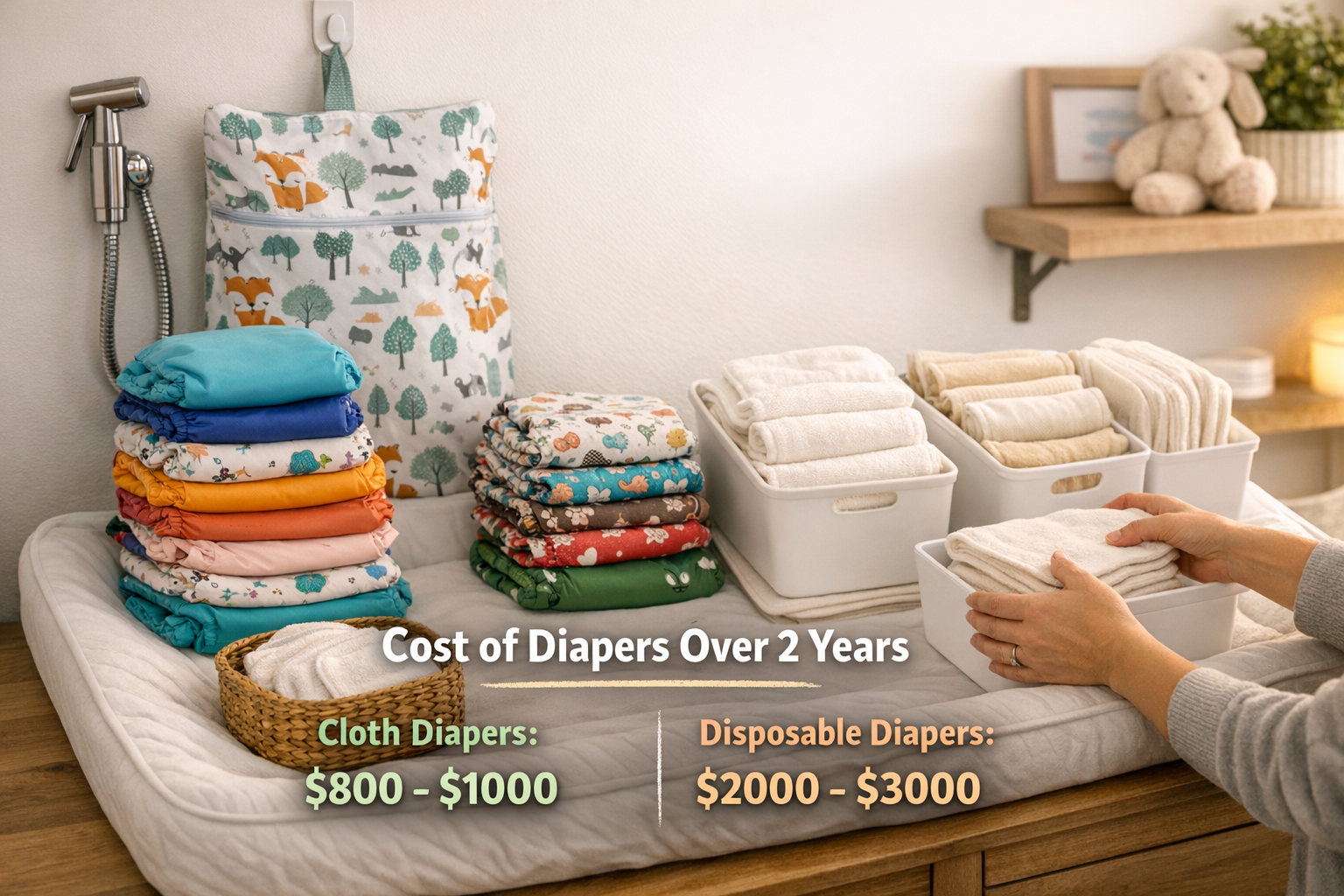
Cost Recovery: Remember that disposable diapers cost approximately $70-$80 monthly, totaling $2,000-$2,500 before potty training. Even the most expensive cloth system pays for itself in 8-12 months. Use for a second child, and the savings double.
Money-Saving Strategies:
- Buy used diapers in good condition (50-70% savings)
- Start with a smaller stash and add gradually
- Mix budget and premium options based on needs
- Watch for sales and bundle deals
- Join cloth diaper buy/sell/trade groups
For more guidance on getting started, check out the ultimate guide to reusable diapers.
Sample Starter Kits by Budget
Under $200 Starter Kit:
- 18 Alvababy pocket diapers: $75
- 6 Flip covers with inserts: $90
- 1 wet bag: $15
- Basic cloth wipes: $15
- Total: $195
This minimalist approach requires washing every 1-2 days but provides everything needed to start cloth diapering successfully.
$300-$400 Starter Kit:
- 12 Rumparooz pocket diapers: $240
- 12 Flip AI2 system: $100
- 2 wet bags: $30
- Diaper sprayer: $40
- Cloth wipes and extras: $30
- Total: $440
This “try different systems” approach lets you discover what works best before investing in more of one type.
Premium $500+ Starter Kit:
- 20 bumGenius AIOs: $400
- 4 GroVia O.N.E. for overnight: $100
- 2 premium wet bags: $40
- Diaper sprayer: $45
- Cloth wipes, boosters, extras: $50
- Total: $635
This comprehensive kit provides maximum convenience and performance with minimal trial and error.
Mastering Cloth Diaper Care and Maintenance
Buying the best diapers means nothing if they’re not properly maintained. Cloth diaper care isn’t complicated, but it does require following specific guidelines to prevent issues.
The Perfect Wash Routine
Washing cloth diapers properly prevents the three most common problems: lingering odors, reduced absorbency, and diaper rash.
Step 1: Pre-Wash/Rinse Cycle
Run a quick wash or rinse cycle with cold water and no detergent. This removes the bulk of urine and feces, preventing it from being “cooked” into the fabric during the main wash. Some machines have a “rinse and spin” setting perfect for this.
Step 2: Main Wash
Use hot water (140°F if possible) with a full dose of cloth-diaper-safe detergent. Run the longest, most aggressive cycle your machine offers—typically “heavy duty” or “sanitize.” The diapers need serious agitation to get clean.
Detergent Choice: Not all detergents work well with cloth diapers. Avoid anything with fabric softeners, which coat fibers and reduce absorbency. Recommended options include Tide Original Powder (yes, really—it’s one of the most effective), Seventh Generation Free & Clear, or specialty cloth diaper detergents like Rockin’ Green.
Water Hardness Matters: Hard water requires more detergent for effective cleaning. Soft water needs less. If experiencing buildup or odor issues, test your water hardness and adjust accordingly.
Step 3: Extra Rinse
Add one additional rinse cycle to ensure all detergent is removed. Residual detergent can cause rashes and reduce absorbency.
Frequency: Wash every 2-3 days maximum. Leaving soiled diapers longer allows ammonia to build up, which damages fabric and causes chemical burns on baby’s skin. For information on addressing this issue, see our guide on how to get rid of ammonia smell in cloth diapers.
Drying Methods: Air vs. Machine
Air Drying: The most economical and eco-friendly option. Hang diapers on a clothesline or drying rack. Sunlight naturally bleaches stains and kills bacteria—it’s like nature’s sanitizer.
Pros: No energy cost, extends diaper life, sunlight removes stains
Cons: Takes 12-24 hours, not practical in humid climates or winter
Machine Drying: Faster and more convenient, but uses energy and can shorten diaper lifespan.
Pros: Diapers ready in 1-2 hours, softens fabrics, works year-round
Cons: Energy cost, can damage elastic over time, shrinks some materials
Best Practice: Air dry covers and waterproof pieces (they dry quickly anyway), machine dry absorbent inserts and prefolds on medium heat. This balances speed with longevity.
The Flip System Advantage: Remember that the Flip with Stay Dry Insert offers a thinner option that dries quickly[4]—a significant advantage for families without dryers or in humid environments.
Preventing and Fixing Common Issues
Leaks: The most frustrating cloth diaper problem. Common causes include:
- Improper fit (gaps at legs or waist)
- Insufficient absorbency for baby’s output
- Detergent buildup reducing absorbency
- Worn elastic or delaminated PUL
Solution: Check fit first—you should fit two fingers at the waist, with leg gussets snug but not tight. Add boosters for heavy wetters. Strip diapers if buildup is suspected (wash with Dawn dish soap, then rinse thoroughly).
For nighttime leaking specifically, read our detailed guide on why cloth diapers leak at night and how to fix it.
Odors: Diapers shouldn’t smell like anything when clean. Ammonia smell indicates insufficient washing or detergent buildup.
Solution: Increase detergent amount, ensure proper water temperature, add an extra rinse. For persistent odor, strip and sanitize diapers.
Stains: Poop stains are cosmetic issues, not cleanliness problems. However, they’re unsightly.
Solution: Sunlight is the best stain remover—even winter sun through a window works. Lay damp diapers in direct sunlight for 2-4 hours and watch stains disappear like magic.
Diaper Rash: Can occur with both cloth and disposables, but cloth-specific causes include:
- Detergent sensitivity
- Insufficient rinsing
- Ammonia buildup from infrequent washing
- Moisture against skin (need better wicking layer)
Solution: Switch to fragrance-free detergent, add extra rinse, wash more frequently, ensure proper fit so absorbent layers contact skin. For persistent issues, consult our article on cloth diapers and diaper rash.
Repelling: When diapers stop absorbing and liquid beads on the surface, they’re “repelling.”
Causes: Diaper cream residue, fabric softener, or mineral buildup from hard water
Solution: Strip diapers using RLR or Grovia Mighty Bubbles, then sanitize with bleach (yes, it’s safe when done correctly). Prevent future issues by using only cloth-safe creams.
Storage and Organization Tips
Dirty Diaper Storage: Use a dry pail method (no water) with a washable pail liner. Empty the liner directly into the washing machine every 2-3 days. Ensure adequate airflow to prevent ammonia buildup—some parents leave the lid slightly ajar.
Clean Diaper Organization: Store by type if using multiple systems. Basket or drawer organizers work well. Pre-stuff pocket diapers during folding time so they’re grab-and-go during changes.
Diaper Bag Setup: Pack 4-6 diapers for a full day out, plus a wet bag for dirties. Include a small pack of cloth wipes in a wet bag with solution, or bring a travel pack of disposable wipes as backup.
Rotation Strategy: Use diapers in rotation rather than always grabbing the same ones. This ensures even wear and helps identify which diapers might be wearing out faster.
Special Considerations for Different Situations
Cloth diapering isn’t one-size-fits-all. Different situations require adapted approaches.
Cloth Diapering Newborns
The Meconium Challenge: Those first tar-like poops are sticky and difficult. Many parents use disposables for the first 2-3 days, then switch to cloth once meconium passes and milk-based stools begin.
Sizing Issues: Most one-size diapers don’t fit well until 8-10 pounds. Options include:
- Newborn-specific diapers (Thirsties, Rumparooz Newborn)
- Sized systems that start smaller
- Disposables until baby grows into one-size options
- Prefolds with newborn covers (most economical)
Umbilical Cord Consideration: Look for diapers with snap-down fronts or fold prefolds below the cord stump to prevent irritation.
Frequency: Newborns need changing 10-12 times daily. This requires either a large stash (30+ diapers) or daily washing. Many parents find daily washing easier when home with a newborn anyway.
Nighttime Cloth Diapering
Achieving 12-hour leak-free nights requires strategy beyond daytime diapering.
Absorbency Boosting: Add hemp or bamboo boosters to increase capacity without excessive bulk. Layer materials—microfiber for quick absorption topped with hemp for capacity.
Proper Layering: Place fast-absorbing materials closest to baby’s skin to prevent flooding, with high-capacity materials underneath for storage.
Fit Adjustments: Nighttime diapers should fit slightly snugger than daytime to prevent gaps during sleep movement. However, too tight causes compression leaks.
Dedicated Night Diapers: Many families use specific diapers for overnight—often fitted diapers with covers or heavily-boosted pockets. The GroVia O.N.E. excels for overnight use due to its superior absorbency design.
Toddler Considerations: Older babies produce more concentrated urine. They may need different boosting strategies than younger babies, even if daytime diapers work fine.
Daycare and Caregivers
Getting daycare on board with cloth diapers can be challenging but isn’t impossible.
Choose the Right System: AIOs work best for daycare—they function exactly like disposables. Avoid systems requiring assembly or special knowledge.
Provide Everything: Supply enough diapers for the day plus extras, a wet bag for dirties, and clear instructions. Make it as easy as possible.
Start the Conversation Early: Discuss cloth diapering during daycare tours. Some centers prohibit it, others welcome it, most are neutral if you make it easy.
Compromise Solutions: Some families use cloth at home and disposables at daycare. This still provides significant savings and environmental benefits while respecting daycare preferences.
Grandparent Strategies: Older caregivers may be intimidated by modern cloth diapers or have negative memories of old-style systems. Demonstrate how easy today’s diapers are, provide AIOs, and reassure them that disposables are fine as backup.
Travel and Outings
Cloth diapering away from home requires planning but is entirely manageable.
Day Trips: Pack enough diapers plus 2-3 extras, a wet bag for dirties, and portable changing supplies. Everything fits in a standard diaper bag.
Weekend Trips: Bring enough diapers for the trip or plan to wash. Many hotels have laundry facilities. Alternatively, use disposables for short trips—cloth diapering doesn’t have to be all-or-nothing.
Extended Travel: For vacations longer than a week, most families either pack enough diapers and plan laundry days, ship diapers ahead to their destination, or use disposables for the trip.
Airplane Considerations: Wet bags contain odors and moisture, making them TSA-compliant. Change diapers before boarding when possible, as airplane bathrooms are cramped.
Beach and Pool: Use swim diapers specifically designed for water. Regular cloth diapers absorb pool water and become saggy and ineffective.
Cloth Diapering Multiples
Twins or triplets multiply both the challenges and the savings of cloth diapering.
Quantity Needed: Double or triple the standard stash recommendation. For twins, 40-48 diapers allows washing every 2-3 days. For triplets, 60+ diapers or more frequent washing.
System Selection: Choose easy, fast systems. Pocket diapers offer good balance—faster drying than AIOs but easier than prefolds when you’re changing 20+ diapers daily.
Organization: Color-code each baby’s diapers or use different patterns. This helps track which diapers fit which baby best and prevents mix-ups during changes.
Washing Frequency: Plan to wash daily or every other day. The volume of diapers from multiples makes less frequent washing impractical.
Cost Savings Multiplied: Disposable diaper costs for twins run $4,000-$5,000. Even a $800 cloth diaper investment saves thousands and can be used for future children.
Environmental and Health Benefits
Beyond cost savings, cloth diapers offer compelling environmental and health advantages.
Environmental Impact
Landfill Reduction: The average baby uses 6,000-8,000 disposable diapers before potty training. These diapers sit in landfills for 500+ years, never fully decomposing. Multiply by millions of babies, and the waste problem becomes staggering.
Resource Consumption: Manufacturing disposable diapers requires petroleum products, water, and energy. A 2008 study found that disposable diaper production uses 20 times more raw materials than cloth diaper production.
Water Usage Debate: Critics point out that washing cloth diapers uses water and energy. However, modern high-efficiency washers use minimal water—about 15-30 gallons per load. Disposable diaper manufacturing uses more water than washing cloth diapers over their lifetime.
Carbon Footprint: The complete lifecycle carbon footprint depends on washing methods. Air-drying cloth diapers produces the lowest impact. Machine drying increases it but still typically remains lower than disposables when diapers are reused for multiple children.
Sustainable Materials: Diapers made from organic cotton or bamboo, like those from Green Mountain Diapers, use renewable resources and avoid pesticides[3]. These materials are naturally anti-microbial and hypoallergenic[6].
Health Considerations
Chemical Exposure: Disposable diapers contain chemicals including dioxins (from bleaching), tributyl-tin, and sodium polyacrylate (the absorbent gel). While manufacturers insist these are safe in small quantities, some parents prefer avoiding unnecessary chemical exposure.
Breathability: Cloth diapers allow more airflow than plastic-backed disposables. Better air circulation can reduce diaper rash incidence, though proper changing frequency matters more than diaper type.
Allergen Concerns: Some babies develop sensitivities to fragrances, dyes, or materials in disposables. Cloth diapers made from natural fibers offer an alternative for sensitive skin.
Potty Training: Some evidence suggests cloth-diapered babies potty train earlier, possibly because they feel wetness more than with super-absorbent disposables. However, individual readiness varies greatly regardless of diaper type.
Material Safety: Quality cloth diapers use materials designed to be hypoallergenic and anti-microbial[6]. The Lil Helper system, for example, emphasizes skin-safe materials that reduce rash risk.
Troubleshooting Common Cloth Diaper Problems
Even with the best systems, issues arise. Here’s how to solve them.
Persistent Leaking
Diagnosis: First, determine when leaks occur. Immediately after putting on the diaper suggests fit issues. After 1-2 hours indicates absorbency problems.
Fit Check: Ensure the diaper sits below the belly button and covers the entire bottom. Leg gussets should be snug but not tight—you should fit one finger comfortably. Check that elastic hasn’t worn out.
Absorbency Solutions: Add boosters or inserts. Different materials absorb at different rates—microfiber absorbs quickly but has low capacity, hemp and bamboo absorb slowly but hold more. Layer materials for best results.
Compression Leaks: Occur when pressure (from car seats, carriers, or tight clothing) squeezes urine out of saturated diapers. Solutions include using less bulky, more absorbent materials, ensuring proper fit, and changing before situations that cause compression.
Repelling Issues: If liquid beads on the surface instead of absorbing, diapers are repelling. Strip and sanitize to remove buildup, then avoid fabric softeners and non-cloth-safe creams.
Staining and Discoloration
Prevention: Rinse or spray solid waste promptly. The longer stool sits on fabric, the harder it is to remove.
Sunlight Treatment: The most effective, chemical-free stain removal method. Lay damp diapers in direct sunlight—even through a window in winter. Stains often disappear completely in 2-4 hours.
Stain Removers: For stubborn stains, use oxygen-based cleaners like OxiClean (original, unscented formula). Add to the main wash or soak diapers before washing. Avoid chlorine bleach for regular use as it degrades fabric.
Acceptance: Remember that stains are cosmetic. A stained diaper that’s properly washed is just as clean as a pristine one. Many experienced cloth parents stop worrying about stains after the first few months.
Odor Issues
Ammonia Smell: Strong, eye-watering odor when opening a dirty diaper or wet bag indicates ammonia buildup. This occurs when urine breaks down and becomes concentrated.
Causes: Insufficient detergent, inadequate washing, or waiting too long between washes. Hard water can also contribute.
Solutions: Increase detergent amount, ensure hot water temperature (140°F), add an extra rinse, and wash more frequently. For severe cases, sanitize with bleach (1/2 cup in a full wash cycle).
Barnyard Smell: A musty, barn-like odor when diapers are clean indicates bacterial or detergent buildup.
Solutions: Strip diapers using RLR or Grovia Mighty Bubbles, then sanitize. Adjust wash routine—you may need more or less detergent depending on water hardness.
Rash and Skin Irritation
Detergent Sensitivity: Switch to free-and-clear formulas without fragrances or dyes. Ensure thorough rinsing by adding an extra rinse cycle.
Moisture Issues: Some babies need stay-dry liners to keep moisture away from skin. Fleece or suedecloth liners wick wetness into the diaper while keeping skin dry.
Yeast Rashes: Require special treatment. Sanitize all diapers with bleach, wash all clothing and bedding, and treat baby with appropriate medication. Yeast can survive in cloth and reinfect baby if not properly eliminated.
Frequency: Change diapers every 2-3 hours during the day, more often for newborns. Cloth diapers don’t wick moisture as effectively as disposables, so more frequent changes help prevent rash.
Frequently Asked Questions
Are cloth diapers really cheaper than disposables?
Yes, significantly. Disposables cost $2,000-$3,000 per child. A complete cloth diaper system costs $200-$700 upfront. Even factoring in water, electricity, and detergent (about $150-$200 over two years), cloth saves $1,500-$2,000 per child. Use for multiple children or resell used diapers, and savings increase further.
How many cloth diapers do I need to start?
For full-time cloth diapering with washing every 2-3 days, you need 20-24 diapers. You can start with fewer (12-15) if washing daily or using cloth part-time alongside disposables. Many parents begin with a small starter set to test the system before investing in a full stash.
Can I use cloth diapers at daycare?
It depends on the daycare. Some prohibit cloth, others welcome it, most allow it if you make it easy. Use all-in-one diapers that work exactly like disposables, provide everything needed, and communicate clearly with caregivers. Many families compromise by using cloth at home and disposables at daycare.
Do cloth diapers leak more than disposables?
Not when properly fitted and maintained. Quality cloth diapers like the Rumparooz G3 achieve 12+ hours of leak-free protection[4]. However, cloth diapers require proper fit, adequate absorbency for your baby’s output, and appropriate maintenance. Disposables are more forgiving of improper fit.
How do I handle solid waste?
Exclusively breastfed baby poop is water-soluble and can go directly in the wash. Once baby starts solids, solid waste should be removed before washing. Options include using a diaper sprayer attached to the toilet, using disposable liners that catch solids, or dunking and swishing in the toilet (least popular method).
Will cloth diapers fit my baby?
Most one-size cloth diapers fit babies from 8-35+ pounds using adjustable snaps. However, fit varies by brand and baby body type. Chunky-thighed babies may need different brands than petite babies. Many cloth diaper retailers offer trial programs or generous return policies to help find the right fit.
How long do cloth diapers last?
Quality cloth diapers typically last through one child (2-3 years) and often remain in good enough condition for a second or third child. Budget brands may wear out faster, while premium brands can last through multiple children. Proper care extends lifespan significantly.
Can I use regular detergent?
Some regular detergents work fine for cloth diapers, others don’t. Avoid anything with fabric softeners, which coat fibers and reduce absorbency. Tide Original Powder is actually one of the most recommended detergents by experienced cloth parents. Free-and-clear formulas work well for sensitive skin.
Conclusion: Taking the Next Steps
Choosing the best cloth diapers 2026 has to offer doesn’t mean finding one perfect system—it means finding the perfect system for your unique family. Whether you prioritize convenience with bumGenius All-in-Ones, value with Alvababy pockets, performance with Rumparooz, or innovation with Judes AI2s, modern cloth diapering offers options for every budget, lifestyle, and preference.
The journey begins with understanding the four main system types, then selecting a cloth diaper starter kit that matches your priorities. Start with 20-24 diapers, essential accessories like wet bags and a diaper sprayer, and a solid wash routine. As you gain experience, you’ll discover what works best for your baby’s body type, your washing schedule, and your tolerance for prep work.
Remember that this cloth diaper system review represents just the starting point. Every baby is different, every family’s needs are unique, and the “best” diaper is the one you’ll actually use consistently. Don’t be afraid to try different systems—many retailers offer trial programs, and the used cloth diaper market provides affordable ways to test multiple brands.
Your Action Plan
Week 1: Research and decide which system type matches your lifestyle. Read reviews, watch videos, and join cloth diapering groups on social media to learn from experienced parents.
Week 2: Purchase a small starter set (6-12 diapers) to test before investing in a full stash. Try different brands if possible. Consider starting with a mix—perhaps 6 pockets, 6 AIOs, and some prefolds to discover your preference.
Week 3: Establish your wash routine. Experiment with detergent amounts and water temperature to find what works with your machine and water hardness. Document what works for future reference.
Week 4: Evaluate and adjust. What’s working? What’s not? Do you need more absorbency for overnight? Different sizing? More or fewer diapers? Use this information to build out your full stash.
Ongoing: Connect with the cloth diapering community for support, troubleshooting, and encouragement. The learning curve exists, but thousands of parents successfully cloth diaper every day—you can too.
The environmental impact of diverting thousands of diapers from landfills, the health benefits of reducing chemical exposure, and the financial savings of $1,500-$2,000+ per child make cloth diapering a decision you’re unlikely to regret. Yes, it requires more effort than disposables. But for many families, the benefits far outweigh the minimal extra work.
Your baby will be in diapers for approximately two years. The choices you make now about diapering affect your budget, your environmental footprint, and potentially your baby’s health for that entire period. Armed with the information in this comprehensive guide, you’re equipped to make the choice that’s right for your family.
Ready to start your cloth diapering journey? Begin with a small investment, stay flexible, and remember that even using cloth diapers part-time provides benefits. There’s no requirement for perfection—just progress toward a more sustainable, economical, and potentially healthier diapering solution.
For additional support and detailed guides on specific aspects of cloth diapering, explore our comprehensive resource library covering everything from troubleshooting leaks to selecting the perfect diaper bag for your cloth diapering supplies.
References
[1] Best Cloth Diapers For Baby – https://www.thebump.com/a/best-cloth-diapers-for-baby
[2] Cloth Diaper Systems Comparison – https://www.judesfamily.com/en/blogs/academy/cloth-diaper-systems-comparison
[3] Best Cloth Diapers A3648210551 – https://www.consumerreports.org/babies-kids/diapers/best-cloth-diapers-a3648210551/
[4] Best Cloth Diaper – https://www.babygearlab.com/topics/diapering-potty/best-cloth-diaper
[5] Best Cloth Diapers – https://www.babylist.com/hello-baby/best-cloth-diapers
[6] Cloth Diaper – https://lilhelperusa.com/pages/cloth-diaper
[7] Best Cloth Diapers – https://www.reviewed.com/parenting/best-right-now/best-cloth-diapers