Esembly Review: Complete Analysis
When I first heard about Esembly, I was knee-deep in what I can only describe as diaper decision paralysis. You know that moment when you’re pregnant or newly parenting and suddenly realize you need to make about seven thousand choices you never thought about before?
Yeah, that was me scrolling through cloth diaper options at 2 AM, wondering if I was really about to spend $500 on what essentially amounts to fancy washable pee catchers.
Esembly has positioned themselves as the luxury option in a market that already feels pretty niche. They’re the Tesla of cloth diapers, if you will.
Beautiful marketing, sleek design, hefty price tag, and a whole lot of promises about saving the planet while looking impossibly chic doing it.
And like most things that look too perfect on Instagram, the reality is way more complicated than the aesthetic suggests.
I’m not here to tell you that Esembly is either amazing or terrible, because honestly, it’s neither. The diapers are really well-made and work beautifully for some families while creating absolute chaos for others.
And the difference between those outcomes has almost nothing to do with the diapers themselves and everything to do with your life circumstances, your personality, your partner’s willingness to join, and about fifty other variables that Esembly’s marketing conveniently glosses over.
So let’s actually dig into what using these things in real life looks like. Not the sun-drenched version where your baby gently coos while you mindfully fold organic cotton in your minimalist nursery.
I’m talking about the 3 AM blowout, the hard water washing saga, the argument with your partner about whose turn it is to spray poop off a diaper, and yes, also the genuine moments when you feel pretty good about not contributing another disposable diaper to a landfill that’ll outlive your great-grandchildren.
Understanding the Esembly System
Esembly uses what’s called a two-part system, which really just means the waterproof she’ll is separate from the absorbent pad. The Outers are the cute, colorful, waterproof covers made from TPU (thermoplastic polyurethane, which sounds like something from a chemistry lab but represents a pretty significant upgrade from the older PUL material that used to delaminate after a few months).
The Inners are the absorbent pads that snap into the Outers and do the actual work of containing your baby’s bodily functions.
The theoretical advantage here means you can reuse an Outer many times throughout the day if only the Inner gets soiled, which translates to less laundry overall. In practice, this works great until your baby has a poop explosion that defies the laws of physics and somehow escapes through the double leg gussets that were supposedly engineered to prevent exactly that scenario.
Then you’re washing everything anyway and questioning all your life choices.
The Outers use snap closures, 15 different snap configurations, to be exact, which gives you tons of adjustability. This presents both a blessing and a curse.
The adjustability means you can theoretically get a custom fit for your baby’s specific body shape.
The downside hits when you’re bleary-eyed at 3 AM or trying to change a squirming toddler who’s decided that diaper changes are a personal affront to their dignity. Those snaps feel like a puzzle designed by someone who clearly never had to change a diaper under duress.
The one-size-fits-most design (8-35 pounds) sounds economical and convenient. You buy one set, use it from infancy through potty training, save money, save space, everyone wins.
Except that “most” is doing a lot of heavy lifting in that phrase.
If your baby is under 10 pounds, these will probably be bulky and potentially gappy. If your toddler is over 30 pounds or particularly tall, you might find the rise isn’t quite high enough and the absorbency isn’t quite enough for their needs.
There’s this sweet spot, somewhere between about 14 and 28 pounds, where Esembly diapers fit really well on most babies. Outside that range, your experience becomes significantly more variable and dependent on your specific baby’s body proportions.
I watched my sister struggle with these on her newborn who was barely eight pounds. She followed every single sizing tutorial video, adjusted the snaps exactly as recommended, and still ended up with this bulky situation between the legs that looked like her baby was riding a small bicycle.
The diaper technically worked, but the fit was far from the sleek, trim appearance in Esembly’s product photos.
Around four months, when her daughter hit about 15 pounds, everything suddenly clicked. The diapers fit beautifully, leaks were rare, and my sister became one of those evangelical cloth diapering advocates who wouldn’t shut up about it at family gatherings.
Then her daughter turned two, hit 32 pounds, and the leaks started again. Not constantly, but enough to be frustrating. The rise just wasn’t quite high enough anymore, and the absorbency that worked perfectly six months earlier wasn’t cutting it for a toddler with a larger bladder capacity.
This pattern repeats across countless reviews and user experiences. Esembly works fantastically during that middle phase, but the edges of the size range get progressively more challenging.
The Real Cost Breakdown
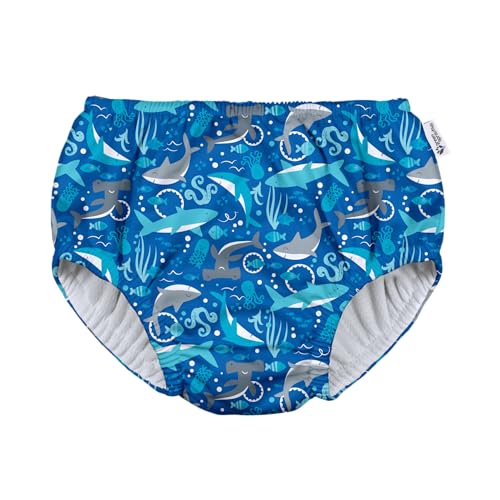
- TRIM, LIGHTWEIGHT, AND COMFORTABLE SWIM DIAPER ENCOURAGES SWIMMING—Baby will move freely during swim lessons without fee…
- PATENTED DESIGN IS BREATHABLE, ABSORBENT, AND WATERPROOF—As the original swim diaper manufacturer, our patented triple-l…
- NO OTHER DIAPER NECESSARY! ECONOMICAL AND CREATES LESS WASTE—Save money and reduce waste with our machine-washable, reus…

- 100%polyester
- Imported
- Superior Absorbency: Our CoolaPeach cloth diapers are equipped with 6 high-quality microfiber inserts, ensuring maximum …

- Complete Cloth Diapering Set: Includes 4 adjustable pocket cloth diapers and 4 viscose with microfiber inside absorbent …
- Adjustable Fit for Growing Babies: Designed to fit babies from 10 lbs to 35 lbs with adjustable snap settings, ensuring …
- Easy to Clean: Diapers are Machine Washable and quick drying with separated inserts, our cloth diapers can be included w…
Let’s talk money, because Esembly’s marketing really emphasizes the savings compared to disposables, but the math is way more complicated than their website suggests.
A full-time Esembly stash runs you somewhere between $565 and $625 upfront if you follow their recommendations. That means 8 Outers at $28 each ($224), 24-30 Inners at about $10 each ($240-300), plus accessories like wet bags, a diaper sprayer, and storage solutions (another $100-150).
That’s genuinely a lot of money to spend before your baby has even worn one of these things.
And if you’re like most new parents trying to figure out if cloth diapering is even going to work for your family, that upfront investment creates serious commitment pressure.
The initial purchase really just marks the beginning. You’ve got ongoing costs that add up: cloth-safe detergent runs about $15-20 monthly, your water and electricity bills increase by roughly $10-20 monthly (more if you’re machine-drying everything), and there’s all the peripheral stuff like replacement elastics when they wear out, extra wet bags when you realize two isn’t enough, and the inevitable “oops I used the wrong detergent and now I need to strip everything” situations.
When you actually calculate the first-year total cost, you’re looking at around $865, not the $565 advertised. The extra $300 comes from those monthly recurring costs and the unexpected purchases that inevitably pop up.
Compare that to name-brand disposables at about $2,150 for two years, and yes, you’re still saving money, around $985 assuming everything goes perfectly. But that assumes you never supplement with disposables for daycare or travel, your washing machine doesn’t break, you don’t live somewhere with expensive utilities, and you actually make it through the learning curve without giving up.
The math improves dramatically if you use the same stash for many children. Two kids in Esembly diapers costs around $1,865 total compared to $4,300 in disposables, saving you $2,435.
Three kids and you’re practically printing money, relatively speaking.
But that requires planning many children, having them on a timeline that works for reusing diapers, and the diapers actually lasting through many kids without significant degradation.
Here’s what nobody tells you: there’s also an opportunity cost to your time. Cloth diapering adds about 70 minutes to your weekly workload compared to disposables.
That’s roughly 60 hours annually.
If you value your time at even $20 per hour (and you probably should value it higher than that), that’s $1,200 worth of your time spent on laundry.
Suddenly the financial equation looks totally different.
I’m not saying this to discourage you, but rather to paint a realistic picture. Some families find the laundry routine meditative and satisfying.
Others find it one more thing draining their already depleted reserves.
Your particular circumstances and personality really matter here.
My friend Jessica loved the laundry routine. She’s one of those people who finds folding laundry therapeutic, who actually enjoys organizing and systematic tasks.
For her, cloth diapering fit naturally into her life, and she genuinely looked forward to the twice-weekly washing routine as a kind of productive meditation.
My friend Amanda had the opposite experience. She already struggled to keep up with regular laundry, and adding high-stakes diaper laundry (where getting it wrong meant leaks or rashes) felt overwhelming.
She made it six weeks before switching to disposables, and she felt guilty about it for months despite the fact that her mental health and household functionality immediately improved.
Neither of them was wrong. They just had different personalities and different capacities for this particular type of domestic labor.
The Environmental Equation
The environmental benefits of cloth diapering are real, but they’re also way more nuanced than Esembly’s marketing suggests. Disposable diapers are genuinely terrible for the environment, about 20 billion end up in US landfills annually, they take 250-500 years to decompose, and manufacturing them requires petroleum-based materials and significant resources.
That part is straightforward and horrifying.
But cloth diapers aren’t environmentally neutral either. You’re using 13,000-18,000 gallons of water over your diapering years, about 573 kWh of electricity for washing and drying, and detergents that enter water systems with their own environmental impacts.
The manufacturing process for TPU, organic cotton, and especially bamboo viscose involves chemicals, energy, and resources.
The key variable is how you use them. If you wash in cold water, line-dry whenever possible, and use the diapers for many children, cloth diapers have roughly 40% lower carbon footprint than disposables.
That’s genuinely significant.
But if you wash in hot water, machine-dry every load, wash small loads often, and only use them for one child, the environmental benefits shrink to maybe 10-15% better than disposables, possibly equivalent depending on your energy source.
In the worst-case scenario, hot washes, machine drying, single child, lots of replacement purchases, cloth can actually have a worse environmental impact than disposables. This is the uncomfortable truth that the cloth diapering community doesn’t really like to talk about.
And then there’s the question of water usage in drought-prone regions. If you’re in California, Arizona, or anywhere else facing water scarcity, using 50-70 gallons weekly for diaper laundry raises legitimate ethical questions.
Is it more environmentally responsible than landfill waste?
Maybe, maybe not. It depends on regional context, your other water usage habits, and what you value environmentally.
I live in the Pacific Northwest where water is relatively abundant, so my 60 gallons per week of diaper laundry feels like a reasonable environmental tradeoff. But when I talked to my cousin in Phoenix, she pointed out that her city is literally running out of water, and residents are being asked to reduce consumption wherever possible.
For her, the environmental calculation looked completely different. Using several extra bathtubs worth of water weekly for diaper laundry felt irresponsible given the regional crisis, even if it meant sending disposables to a landfill instead.
Environmental responsibility looks different depending on where you live and what your local ecosystem needs most urgently.
The bamboo viscose thing really gets me. Esembly markets it as eco-friendly, and yes, bamboo grows quickly and sustainably as a plant.
But turning bamboo into viscose fabric requires intensive chemical processing, sodium hydroxide, carbon disulfide, similar to rayon production.
The final fabric is biodegradable, but the manufacturing process is far from natural. This represents classic greenwashing, emphasizing the sustainable plant source while downplaying the chemical-intensive conversion process.
Bamboo viscose has excellent absorbency and feels soft, which makes it genuinely good for diapers from a functional perspective. But calling it “eco-friendly” oversimplifies the environmental reality of its production.
I still think cloth diapers are generally better for the environment than disposables, especially with optimal practices. But we need to be honest about the nuances rather than treating it as a simple good-versus-evil situation.
Check Esembly baby diapers here
The Learning Curve Nobody Warns You About
When Esembly talks about their product being “easy to use,” they’re technically correct, the physical act of putting the diaper on your baby is pretty straightforward. But actually succeeding at cloth diapering involves mastering a whole separate skill set that has nothing to do with the diapers themselves and everything to do with laundry science.
The first two weeks are genuinely rough. You’re dealing with information overwhelm (what’s the difference between TPU and PUL?
Why are there seventeen different opinions about detergent?), fit anxiety (are those leg gaps normal or am I doing it wrong?), and the fear that you’ve made a terrible $600 mistake that you can’t really back out of because who wants to admit defeat to their partner who was skeptical about this whole cloth diapering thing from the start?
Weeks three and four are when you start establishing your washing routine, and this is where a lot of families either figure it out or give up. The recommended protocol includes a pre-rinse in cold water, a main wash in hot water with cloth-safe detergent on a heavy soil cycle, and an extra cold rinse to confirm all detergent is removed. Then you dry them, which takes forever if you’re line-drying (environmentally better) or costs more and potentially damages elastics if you’re machine-drying.
But here’s where it gets complicated: that routine needs to be adjusted based on your water hardness (soft water needs less detergent, hard water needs more), your machine type (HE washers use less water and may not rinse as effectively), your detergent choice (powder versus liquid, plant-based versus conventional), and your load size (too full and things don’t agitate properly, too empty and you’re wasting water).
The most common washing problems include ammonia buildup (which can actually cause chemical burns on your baby’s skin and happens when you use too little detergent or water), detergent buildup (too much detergent causes repelling where liquid beads up instead of absorbing), barnyard smell (bacterial growth requiring a full strip-and-sanitize process), and staining (which is normal and doesn’t affect function but bothers people aesthetically).
About 30-40% of families attempting cloth diapering quit within the first three months. The primary reasons aren’t actually the diapers being bad, they’re time commitment exceeding expectations, persistent leak issues causing frustration, partner non-participation creating resentment, daycare non-acceptance, or life circumstances changing in ways that make the routine unsustainable.
If you make it to weeks five and six, you’ve usually achieved confidence and routine automation. You know how to troubleshoot fit issues, you’ve figured out your optimal wash routine, you’re comfortable handling solid waste (which is its own adjustment), and the whole system starts feeling manageable rather than overwhelming.
But man, those first few weeks can really test your commitment to environmental principles.
I remember week three with my first baby, standing in my laundry room at 11 PM, staring at a load of diapers that came out of the wash smelling like a barn. Not just slightly off, but genuinely offensive.
I’d followed the washing instructions exactly, or so I thought, and somehow ended up with diapers that smelled worse after washing than before.
I spent two hours researching what went wrong, reading forum posts from other frustrated parents, trying to figure out if I had detergent buildup or bacterial growth or hard water issues or some combination of all three.
Eventually I uncovered I’d been using way too little detergent because I’d listened to advice from a “natural parenting” blog that advocated for minimal detergent use. Turns out, that advice works if you have soft water and a traditional top-loading washer.
I have hard water and an HE front-loader, which meant my diapers weren’t getting clean at all.
I had to strip and sanitize my entire stash, a process that took most of a weekend and made me seriously question why I’d thought cloth diapering was a good idea.
But once I figured out my correct wash routine, more detergent than I thought I needed, an extra rinse cycle, and washing every two days without fail, everything suddenly worked. The diapers came out clean and fresh-smelling, leaks became rare, and the whole system fell into a rhythm.
That turning point made the difference between giving up and continuing for another two years. But I completely understand why families who don’t make it through that frustrating period decide cloth diapering isn’t worth it.
Fit Issues and Body Type Reality
The one-size-fits-most design represents where Esembly’s marketing promises collide most dramatically with physical reality. Different babies have different bodies, shocking, I know, and a snap-based adjustment system can only accommodate so much variation.
Newborns under 10 pounds often struggle with Esembly fit. Even at the smallest snap settings, there’s usually excessive bulk between the legs, which can affect hip positioning and general comfort.
The rise snaps at the shortest setting are still often too long, creating that awkward bunched-up situation.
Many families delay starting Esembly until their baby reaches 10-12 pounds, which means buying different diapers or using disposables for those early months, adding to overall costs.
The optimal fit window really exists in that 14-28 pound range, roughly 4 months to 2 years for average-sized babies. During this period, most babies fit Esembly diapers well, the absorbency is suitable for their output, and the system works pretty much as advertised.
But toddlers approaching or exceeding 30 pounds start experiencing issues again. Thigh gaps become more common as children grow. The rise height may be not enough for tall toddlers.
Absorbency becomes a challenge for high-volume wetters.
Compression leaks during active play become more frequent.
And then there are the body type variations that a fixed snap configuration just can’t fully accommodate. Chunky thighs with narrow waists.
Slim builds with long torsos.
Babies at the 5th percentile versus the 95th percentile. Some babies simply fit Esembly better than others, and there’s no way to predict this before you’ve already made your investment.
Sized systems from other brands, where you buy newborn size, then size 1, then size 2, provide better fit at each stage. They’re less bulky on small babies and offer adequate coverage for larger toddlers.
But you’re buying many sets of diapers, making many purchasing decisions about when to size up, and requiring more storage space.
Esembly’s one-size approach trades optimal fit for convenience and theoretical cost savings.
The frustrating part shows up in Esembly’s marketing, where diapers fit perfectly on every baby in their photographs, creating expectations that don’t match the reality of trying to achieve that fit on your specific child’s body. When you’re troubleshooting leaks at 2 AM and wondering if it’s the fit, the absorbency, the washing routine, or just your own incompetence, feeling like you’re failing at something that’s supposed to be simple comes really easily.
My nephew had what I can only describe as tree-trunk thighs and a relatively narrow waist. Getting Esembly diapers to fit him properly was basically impossible, if you snapped them tight enough around the thighs to prevent leaks, the waist was uncomfortably snug and left red marks.
If you loosened them for comfort, he leaked constantly.
My sister tried every snap configuration, watched every fitting video, and eventually just accepted that these diapers didn’t fit her particular baby very well. She switched to a different brand with more flexible leg elastic, and the fit problems immediately resolved.
Meanwhile, my other sister’s baby, average build, proportional weight distribution, fit Esembly diapers beautifully from 12 pounds through potty training. Same brand, same product, completely different experiences based purely on body type.
Check reusable baby diapers here
The Washing Routine Reality
Let me be really honest about the washing situation, because this is where the Instagram aesthetic crashes headlong into practical reality. Esembly provides detailed washing instructions, and they’re actually pretty good instructions, but following them consistently is genuinely challenging.
You’re supposed to wash every 2-3 days to prevent ammonia buildup. This means you need to have enough diapers to last between washes (hence the recommendation for 24-30 Inners), and you need to structure your life around this schedule.
If you’re someone who already struggles with laundry consistency, and let’s be real, most of us do, adding one more highly specific laundry requirement to your routine is significant.
The pre-rinse removes the bulk of waste and prepares diapers for the main wash. The main wash in hot water with proper detergent amount (which varies based on water hardness) does the actual cleaning.
The extra rinse ensures all detergent is removed, because residual detergent causes repelling issues.
Then you dry them, which takes forever if you’re line-drying.
Water hardness is this variable that most people never think about until they start cloth diapering, and it dramatically affects your success. Soft water needs less detergent.
Hard water needs more.
If you use the wrong amount for your water type, you end up with either detergent buildup or not enough cleaning. Many families don’t know their water hardness and have to figure it out through trial and error, which means weeks of troubleshooting while wondering why their diapers smell terrible or aren’t absorbing properly.
Machine type matters enormously. HE (high-efficiency) washers use less water, which sounds environmentally great but can mean diapers don’t get adequately rinsed. Top-loaders versus front-loaders have different agitation patterns affecting cleaning efficiency.
Older machines may not have the cycle options Esembly recommends.
Suddenly you’re researching washing machines and water hardness test strips when you thought you were just buying some reusable diapers.
The ammonia buildup situation is actually scary. If you under-wash or use too little detergent, urea in the urine breaks down into ammonia compounds.
When your baby pees again, the moisture reactivates these compounds, and you can literally give your baby chemical burns.
This happens to an estimated 15-20% of cloth diapering families at some point, usually because they’re using “all-natural” detergent that isn’t effective enough or they’re afraid of using “too much” detergent based on advice from online communities.
I saw this happen to a friend’s baby. She’d been successfully cloth diapering for about four months when her daughter suddenly developed this angry red rash that appeared within minutes of putting on a clean diaper.
At first she thought it was the detergent causing an allergic reaction, so she switched to an even gentler, more natural option.
The rash got worse.
Her pediatrician eventually figured out it was ammonia burns from under-washing. My friend had been using about half the recommended detergent amount because she’d read that “less is more” with cloth diapers, and she was terrified of buildup.
Turned out, she’d been under-cleaning for weeks, and ammonia had built up in the fabric. Every time her daughter peed, it was reactivating those compounds and essentially giving her chemical burns.
She had to strip and sanitize her entire stash, increase her detergent amount significantly, and keep her daughter in disposables for a week while her skin healed. The guilt she felt was intense, even though it was an honest mistake based on well-intentioned but incorrect advice.
Staining is inevitable and purely cosmetic, but it really bothers people. Your pristine white organic cotton Inners will turn various shades of yellow and brown.
Sun-bleaching helps (UV light naturally sanitizes and whitens), but it requires outdoor drying space, suitable weather, and time.
Many families end up caring way too much about staining despite it not affecting function, because we’ve been conditioned to think stains mean dirty.
The time investment is real. You’re looking at about 45 minutes of active time per wash cycle (loading, moving to dryer or hanging to dry, folding and putting away), done 2-3 times weekly.
Add troubleshooting time when things go wrong, stain treatment, elastic checking, and you’re easily spending 120 minutes weekly on diaper-related tasks compared to 50 minutes for disposables.
That’s an extra 60 hours annually.
Some people find this laundry routine satisfying, there’s something appealing about the systematic problem-solving, the visible results, the sense of competence at managing a complex system. Other people find it absolutely draining, one more task on an already overwhelming to-do list, time carved from sleep or self-care.
Neither response is wrong. Your personality, your circumstances, and what you have capacity for determine which camp you’ll fall into.
Partner Participation and Labor Division
Here’s an uncomfortable truth that Esembly’s marketing doesn’t address: cloth diapering almost always becomes one parent’s job, and that parent is usually the mother. Studies consistently show that mothers bear 90%+ of cloth diapering responsibilities, including research, purchasing decisions, washing, maintenance, and troubleshooting.
This matters because cloth diapering’s environmental and financial benefits come with a labor cost, and that labor is disproportionately borne by women. When we talk about “sustainable parenting,” we’re often really talking about mothers doing more unpaid labor in the name of environmental consciousness.
Partner buy-in is genuinely critical for cloth diapering success, but achieving it is complicated. Common patterns include one partner (usually the mother) researching extensively and becoming invested in cloth diapering, while the other partner complies somewhat reluctantly, often reverting to disposables when the primary caregiver isn’t around. This creates resentment and conflict, especially if the family’s finances are tight and one partner insisted on spending $600 on the premium Esembly system.
The washing responsibility usually falls entirely on one person. Even in households where partners share general childcare duties, the diaper laundry tends to become one person’s domain. This means that person is structuring their schedule around the washing routine, troubleshooting problems, and carrying the mental load of managing the system.
Successful cloth diapering families almost universally have either full partner buy-in (both parents equally committed and participating) or explicit acknowledgment that one parent is taking on this responsibility by choice with suitable appreciation and support. The middle ground, where one parent is doing all the work while the other is passively benefiting or actively undermining the system, is where resentment breeds and cloth diapering often fails.
If you’re considering Esembly, have an honest conversation with your partner before making the investment. Are they genuinely on board with the time commitment and learning curve?
Will they participate in the washing routine and troubleshooting?
Are they willing to deal with the gross parts? If the answer to any of these is uncertain, seriously reconsider whether this represents the right choice for your family right now.
I watched my friend Lauren’s cloth diapering experience implode entirely because of partner participation issues. She’d done all the research, made the investment, set up the system, and managed everything for the first month.
Her husband claimed to support her choice but somehow always managed to “run out” of cloth diapers when he was watching the baby and would default to the disposable stash they kept for emergencies.
He never did a single load of diaper laundry, claimed he “didn’t understand” the washing routine despite Lauren explaining it many times, and made jokes about her being “hardcore” with the cloth diapering when they were around friends.
After three months, Lauren was exhausted, resentful, and feeling completely unsupported. She’d wanted cloth diapering to be a family decision and a shared responsibility, but instead it had become just another thing she was managing alone while her husband benefited from the cost savings without contributing any of the effort.
She eventually switched to disposables, and while she felt disappointed about the environmental impact, she also felt an enormous sense of relief at no longer carrying that particular burden alone.
Daycare and Work Realities
This is where Esembly’s target market, environmentally conscious millennial parents, collides with economic reality. Most daycares and childcare providers refuse cloth diapers.
They don’t want to deal with storing soiled diapers, they don’t want the liability of improper handling, and they frankly don’t have time to manage a more complicated diapering system.
If you’re a working parent with your child in daycare, you’re probably looking at a hybrid system, cloth at home, disposables at daycare. This isn’t necessarily a failure.
Even part-time cloth diapering reduces waste and costs.
But it does complicate the math.
You’re buying both cloth diapers and disposables, you’re managing two different systems, and you’re not getting the full environmental or financial benefits you might have hoped for.
The work-from-home situation that became common during recent years has actually made cloth diapering more possible for some families. If you’re home with your baby during work hours, managing the diaper changes and washing routine is logistically easier than when you’re commuting and relying on daycare.
But it also means you’re trying to work while managing a pretty time-intensive diapering system, which has its own challenges.
Return to work actually represents a common point where families stop cloth diapering. The time crunch of working, commuting, managing childcare, and maintaining a home makes that extra 70 minutes of weekly laundry feel impossible.
There’s no shame in this, sometimes circumstances change and what worked while you were on parental leave doesn’t work when you’re back at work.
The postpartum mental health dimension is something nobody really talks about. If you’re struggling with postpartum depression or anxiety, adding a complicated new system with a steep learning curve can be genuinely overwhelming.
The pressure to succeed at cloth diapering, because you’ve invested the money, because you’ve committed to being environmentally conscious, because you’ve told everyone you’re doing this, can exacerbate mental health struggles.
Using disposables when that’s what your mental health requires is perfectly acceptable. Your wellbeing matters more than diapering choices, full stop.
I struggled with postpartum anxiety after my second baby, and one of the things that triggered panic attacks was falling behind on the diaper laundry schedule. I’d look at the overflowing diaper pail and feel this crushing sense of failure and inadequacy.
My therapist actually suggested I take a break from cloth diapering for a while, at least until I was in a more stable mental state. I resisted initially because I felt like using disposables meant I was failing at environmental responsibility, failing at managing my household, failing at everything.
But when I finally gave myself permission to use disposables for a few months, the relief was enormous. One less thing to manage, one less potential source of anxiety, one less way to feel inadequate.
When I eventually returned to cloth diapering several months later, I was in a much better headspace and could manage the routine without it triggering anxiety. But I’m really glad I gave myself that permission to step back when I needed to.
Check esembly baby diapers here
Travel and Flexibility Challenges
Travel is where cloth diapering goes from manageable to genuinely difficult. Short outings (2-4 hours) are fine, you pack a few diaper changes, a wet bag for soiled items, and continue with your day.
Day trips get trickier because you’re accumulating many soiled diapers with no ability to wash them, but it’s still workable.
Air travel is where most cloth diapering families throw in the towel and use disposables. You’re dealing with airport security potentially inspecting your cloth diapers, tiny airplane changing tables, storing many soiled diapers throughout the flight, and no washing capability for your entire trip.
It’s logistically challenging enough that even committed cloth families usually compromise.
Road trips are more possible, you’ve got car space for supplies and bulky wet bags, but you’re still limited by washing access at your destination. Hotels rarely have in-room laundry, and hotel laundry services are expensive and inappropriate for diapers.
Vacation rentals with washers are ideal, but that limits your accommodation options.
Visiting family presents its own complications. Not everyone is comfortable with you washing diapers in their machine.
Some people find the whole concept of cloth diapering gross or judge your parenting choices.
You’re navigating both logistics and potential family dynamics.
The flexibility issue extends to daily life too. With disposables, if your plans change unexpectedly, you grab the diaper bag and go.
With cloth, you need to confirm you have enough diapers for the extended outing, adequate wet bag space, and potentially adjust your washing schedule when you get home.
It’s more planning and less spontaneity.
Many committed cloth families maintain a disposable stash for travel, illness, or other situations where cloth isn’t practical. This hybrid approach is honestly the most realistic for most people, but it does mean you’re not getting quite the environmental or financial benefits that full-time cloth diapering provides.
I remember a weekend trip to visit my in-laws when my daughter was about eight months old. I packed what I thought was enough cloth diapers for two days, 16 changes, which should have been plenty with some cushion.
I forgot to account for the fact that we’d be doing a lot of driving, which meant more frequent changes to avoid compression leaks in the car seat. I also didn’t anticipate that the combination of traveling and a change in routine would completely mess with her digestive system, leading to way more poops than normal.
By Saturday evening, I’d run through all 16 diapers and had a wet bag full of soiled ones with no way to wash them. My mother-in-law offered to let me use her washer, but she seemed uncomfortable with the whole situation and made several comments about how “in her day” they didn’t have to deal with reusable diapers because disposables were readily available.
I ended up buying a small pack of disposables at a convenience store and feeling like a finish failure. Looking back, I should have just packed disposables for the trip in the first place and saved myself the stress.
The Leak Situation
Leaks are the number one complaint in cloth diapering reviews, and they’re genuinely frustrating because the cause is often unclear. Is it the fit?
The absorbency?
The washing routine creating repelling issues? Your baby’s body type?
The snap configuration you chose?
All of the above?
Esembly’s double-gusset design does actually reduce leg leaks compared to single-gusset systems. When properly fitted, those inner gussets create a second line of defense that catches leaks the outer gusset missed. But “properly fitted” is doing a lot of work in that sentence.
Fit issues are the most common leak cause. Gaps around the legs or waist allow liquid to escape.
The solution involves snap adjustments, but finding the right configuration often requires experimentation.
What works at 15 pounds might not work at 20 pounds. What works in the morning might not work after your baby’s been in the car seat for an hour.
Compression leaks are particularly frustrating. Your diaper is fitted perfectly, your baby pees, you put them in the car seat, you buckle them in, and suddenly liquid is being squeezed out through the leg openings because the car seat straps are compressing the diaper.
The solution means checking fit after buckling and sometimes adjusting snaps tighter around the legs, but this isn’t intuitive and often gets uncovered through wet car seat experiences.
Insufficient absorbency happens when you wait too long between changes or use the wrong Inner type for the situation. Inners can only hold so much liquid before they’re saturated. Once saturated, extra pee has nowhere to go except out.
Overnight is the most common time for absorbency leaks because you’re asking the diaper to last 10-12 hours, which is really pushing the limits even with the heavier absorbency Inners.
Repelling is a washing-related cause where liquid beads up on the fabric surface instead of absorbing into it. This happens from detergent buildup (using too much detergent), fabric softener contamination (never use fabric softener with cloth diapers), or mineral buildup from hard water.
The solution involves stripping the diapers (a deep cleaning process using specific products and methods), but figuring out that repelling is your issue rather than fit or absorbency problems can take a while.
Worn elastics eventually affect every cloth diaper, no matter the brand. Elastic degrades over time from washing, heat exposure, and stretching.
Once elastics lose their snap-back ability, you get gaps that cause leaks.
Esembly’s “Forever Guarantee” on Outers doesn’t cover elastic degradation (that’s considered normal wear), so eventually you’re either sewing in new elastic yourself or replacing Outers.
The honest truth is that even experienced cloth diapering parents with perfectly maintained diapers occasionally have leaks. No system is 100% perfect.
The question centers on whether the leak frequency is acceptable to you or so frustrating that it undermines your commitment to cloth diapering.
My daughter went through a phase around 18 months where she was suddenly leaking through cloth diapers constantly. Multiple times daily, soaking through her clothes, requiring full outfit changes.
I spent weeks troubleshooting, adjusting the fit, checking the elastics, stripping the diapers to rule out repelling, trying different absorbency levels. Nothing helped.
I finally realized the issue wasn’t the diapers at all. She was going through a growth spurt and her fluid intake had increased dramatically, but I hadn’t adjusted my diaper-changing frequency to match.
She was simply producing more pee, and I was waiting too long between changes.
Once I started changing her more often, every 90 minutes instead of every 2-3 hours, the leaks stopped almost entirely.
But getting to that realization took weeks of frustration and lots of extra laundry.
The Resale Market Nobody Mentions
Here’s something Esembly’s marketing doesn’t emphasize but is actually one of the most compelling aspects of their product: used Esembly diapers maintain 60-70% resale value. If you buy a full setup for $600 and sell it when you’re done for $360-420, you’ve effectively rented your diaper system for $180-240 plus the cost of utilities and detergent.
The secondhand cloth diaper market is surprisingly robust. There are dedicated Facebook groups, resale sections on cloth diapering forums, and even some consignment shops that accept cloth diapers.
Families are actively looking for used diapers because the upfront cost of new diapers is prohibitive.
This changes the financial equation significantly. If you’re willing to navigate the resale process (photographing diapers, writing descriptions, communicating with buyers, shipping), you can recoup a substantial portion of your investment.
Some families even profit if they bought diapers on sale and are selling at a favorable time when demand is high.
The catch is that resale value depends on condition. Diapers with worn elastics, significant staining (even though stains don’t affect function, they affect sale price), broken snaps, or other damage sell for less or don’t sell at all.
This creates pressure to maintain diapers carefully, which is its own form of stress.
There’s also something psychologically weird about selling items that your baby pooped in to another family. Rationally, you know they’re clean and sanitized. Emotionally, some people find the whole concept uncomfortable.
The secondhand market exists because enough families get past this discomfort, but it’s worth examining your own feelings about it before counting on resale value in your financial planning.
I sold my Esembly stash when my youngest potty trained, and I got $385 for a collection I’d originally paid $615 for. That meant my net cost was only $230 for three years of use across two children, plus probably another $400 in detergent and utilities.
Total cost was around $630, compared to what would have been probably $3,500 in disposables for both kids. The savings were substantial.
But listing them for sale felt really interesting. I had to photograph stained diapers and honestly describe their condition.
I had to answer questions from prospective buyers about how many kids had used them, what my washing routine had been, whether there was any elastic wear.
Several people asked if I could sun-bleach them before selling to reduce the staining, which would have meant keeping them for another few weeks and spending more time on diaper maintenance when I was honestly just ready to be done with the whole thing.
The actual transaction went smoothly, and the woman who bought them was thrilled to get Esembly diapers at 60% off retail. But the whole process felt oddly intimate in a way I hadn’t expected.
Comparing Esembly to Other Brands
Esembly occupies the premium segment of the cloth diaper market, and it’s worth understanding what you’re paying for and what alternatives exist.
Budget brands like Alva Baby (around $6 per diaper) or Mama Koala offer significantly lower entry costs. You can outfit an entire cloth diaper stash for $150-200 instead of $600.
The tradeoff generally means lower quality materials, less thorough customer support, more variable sizing, and potentially shorter lifespan.
Some families successfully use budget brands for years. Others find the quality issues frustrating and end up upgrading to premium brands anyway.
Mid-range competitors like Thirsties, Best Bottom, and Buttons Diapers offer comparable quality to Esembly at somewhat lower prices. Thirsties in particular has a devoted following and costs about 20-25% less than Esembly for similar quality.
The main differences are usually aesthetic (Esembly’s modern, minimalist design versus more traditional patterns) and brand positioning.
Ultra-premium competitors like GroVia, AppleCheeks, or Sustainablebabyish cost the same or more than Esembly. You’re paying for small-batch production, potentially higher-quality materials, or specific features.
Whether the marginal improvement justifies the cost is entirely personal.
Different system types offer different tradeoffs. All-in-one diapers (where the absorbent layer and waterproof she’ll are permanently attached) offer the most convenience, you use them exactly like disposables.
But they take forever to dry, cost more per diaper, and if the absorbent section wears out, you’re replacing the entire diaper rather than just replacing Inners.
Pocket diapers (where you stuff absorbent inserts into a pocket within the waterproof she’ll) allow you to customize absorbency by adding more or fewer inserts. But you have to stuff the pockets after washing and unstuff them before washing, which is an extra labor step that some people find annoying.
Traditional prefolds and covers (flat rectangles of absorbent fabric that you fold and secure, then cover with a waterproof she’ll) are the most economical option and many people find them the most reliable for preventing leaks. But they have the steepest learning curve and are the least convenient for quick changes.
Esembly’s two-part system is genuinely a good middle ground, more convenient than prefolds, less expensive than all-in-ones, less labor-intensive than pockets. But “good middle ground” doesn’t mean “perfect for everyone.” The system balances various tradeoffs in a way that works well for some families and not others.
I actually tried four different cloth diaper brands before settling on Esembly. Started with budget Alva Baby diapers that were cheap but leaked constantly despite my best troubleshooting efforts.
Tried a pocket diaper system that worked better for leaks but I absolutely hated the stuffing and unstuffing of pockets, it felt like endless busywork.
Attempted traditional prefolds and covers, which actually worked really well functionally but the learning curve was steep and my husband completely refused to figure out the folding technique, so he’d just use disposables whenever he was in charge.
Esembly ended up being the sweet spot for our family, good quality, reasonable ease of use, decent leak prevention, and my husband was actually willing to use them. But we’re not representative of every family, and what worked for us might not work for you.
Customer Service and Support Experience
One area where Esembly genuinely excels is customer support. They’ve invested heavily in education and troubleshooting resources, which makes sense given that their target customer is often a cloth diapering beginner who needs significant hand-holding through the learning curve.
Their website includes extensive video tutorials covering everything from basic fit adjustment to troubleshooting leaks to washing routines for different machine types. Their email support generally responds same-day to questions.
They maintain an active social media presence and respond to comments and messages relatively quickly.
There’s a private Facebook group for Esembly customers where you can get advice from other users and occasionally from company representatives.
This support infrastructure actually matters a lot, because the difference between persisting through the learning curve and giving up often comes down to whether you can get unstuck when facing problems. If you’re dealing with persistent leaks and can’t figure out why, being able to email customer service and get a helpful response within a day might represent the difference between solving the problem and switching to disposables.
The “Forever Guarantee” on Outers sounds great in marketing materials but has limitations that aren’t immediately obvious. It covers manufacturing defects, delamination, and broken snaps, basically catastrophic failures.
It doesn’t cover normal wear like elastic degradation, staining, or damage from improper washing.
This is reasonable from a business perspective (they can’t replace diapers because you didn’t follow care instructions), but it means the guarantee is less comprehensive than it initially sounds.
The 30-day trial period for the Try It Kit is better than nothing, but 30 days barely covers the learning curve. Most families need 6-8 weeks to really know if cloth diapering will work for them, and by that point you’re outside the return window.
This means there’s still significant financial risk in committing to Esembly.
Customer complaints that appear repeatedly across review platforms include leak issues (most common, though often user error), subscription cancellation difficulties (multiple reports of needing to contact customer service many times to successfully cancel), and fit problems for specific body types. Positive feedback consistently mentions the aesthetic design, successful troubleshooting with customer support help, and satisfaction with the reusable Outer concept.
I actually had to contact Esembly customer service three times during my cloth diapering experience. Once was for a broken snap on an Outer that failed after just two months of use, they replaced it immediately with no questions asked, which was great.
Second time was when I was having persistent leak issues and couldn’t figure out why. The customer service representative walked me through a detailed troubleshooting process, asked specific questions about my washing routine and water type, and eventually identified that I had hard water and needed to increase my detergent amount significantly.
That advice solved the problem.
Third time was less successful, I tried to cancel a subscription I’d signed up for (monthly delivery of replacement Inners) and the cancellation process was weirdly difficult. Had to email twice before it actually processed, and I got charged for one more shipment after I’d requested cancellation.
Eventually got it sorted out, but it felt unnecessarily complicated.
Life Cycle and Longevity
When properly maintained, Esembly Outers commonly last through many children, with many families reporting 2-3 years of use before elastic replacement becomes necessary. The TPU material is genuinely more durable than the older PUL material that would delaminate (where the waterproof layer separates from the fabric layer) after 6-12 months.
Inners generally have shorter lifespans than Outers. The absorbent fabric wears out faster from repeated washing, and staining accumulates over time even with sun-bleaching.
Most families find Inners last through one child but need replacement for subsequent children, adding to the overall cost calculation.
The snap hardware is genuinely durable, one of Esembly’s strengths. Unlike hook-and-loop closures (velcro) that wear out quickly and collect lint, snaps maintain their functionality for years.
The tradeoff is that snaps are less adjustable and take longer to fasten, but for longevity purposes, they’re superior.
End-of-life disposal presents an environmental complication that eco-friendly marketing glosses over. TPU isn’t biodegradable.
Organic cotton and bamboo viscose are theoretically biodegradable but don’t decompose well in landfill conditions (anaerobic environment prevents normal breakdown).
Textile recycling programs rarely accept diapers.
Your realistic end-of-life options are repurposing (cutting up diapers for cleaning rags or craft projects), attempting to find a textile recycling facility that accepts them (rare), or landfilling them (where they’ll continue for many years despite being “eco-friendly”). This doesn’t make cloth diapers worse than disposables, but it does mean they’re not perfectly environmentally virtuous either.
The circular economy potential through the resale market does extend product life significantly. If you use diapers for 2-3 years, sell them to another family who uses them for 2-3 years, who then potentially sells them to a third family, you’re looking at 6-9 years of total use.
This genuinely represents environmental value, preventing many disposable diapers from entering the waste stream.
My Esembly Outers lasted through two kids (about 3 years of total use) before the elastics started to seriously degrade. The TPU outer layer was still completely intact with no delamination, which was impressive.
The Inners made it through my first child but were pretty worn and heavily stained by the time I started using them with my second. I ended up buying a fresh set of Inners for my second kid while continuing to use the original Outers.
When I eventually sold the whole stash, the Outers were still functional but definitely showed their age, elastics were loose, though not completely shot. The buyer told me she planned to replace the elastics herself, which apparently is doable if you’re handy with a sewing machine.
I have no idea what ultimately happened to those diapers after I sold them. Maybe they’re still in circulation with a third family, or maybe they ended up in a landfill.
That uncertainty is one of the weird things about the resale market, you lose control of the eventual disposal.
The Social Media Reality vs. Daily Life
Cloth diapering has a significant Instagram presence, and Esembly has particularly benefited from influencer marketing and aspirational lifestyle content. The problem is that social media cloth diapering looks nothing like real-life cloth diapering for most families.
Instagram shows aesthetically arranged diapers in perfect neutrals, line-dried in sun-dappled backyards, folded in minimalist nurseries. Real life is stained diapers drying on a rack in your living room, the barnyard smell when you open the pail, the argument with your partner about whose turn it is to run the diaper laundry, the leak that soaked through your baby’s outfit onto your shirt before an important meeting.
This aspirational marketing creates unrealistic expectations and can actually set families up for failure. When your experience doesn’t match the curated perfection of social media, feeling like you’re doing something wrong or that you’ve failed at something that’s supposed to be simple and natural comes easily.
The cloth diapering community online can be wonderfully supportive, but it can also be judgmental and perfectionist. There are parents who shame part-time cloth users, who insist that using any disposables means you’re not committed to environmental responsibility, who create complicated hierarchies of cloth diapering virtue.
This culture isn’t helpful and drives away families who might successfully use cloth diapers in a more relaxed, flexible way.
Celebrity endorsements and influencer partnerships have definitely raised Esembly’s profile and made cloth diapering seem cooler and more accessible. But they’ve also contributed to cloth diapering functioning as status symbol or identity marker rather than practical parenting choice.
When you’re buying diapers partly for how they look in photos, you’ve departed from the original environmental and financial motivations.
I’ll be honest, part of my initial attraction to Esembly was how good they looked. The neutral colors, the modern aesthetic, the minimal branding. They would look great in photos for my Instagram feed.
This is embarrassing to admit, but aesthetic appeal definitely factored into my decision-making alongside the legitimate environmental and financial considerations.
And then reality hit, and my beautiful neutral diapers were covered in poop stains, draped over a drying rack in my living room because I don’t have a sun-dappled backyard, mixed in with burp cloths and baby clothes in a chaotic mess of laundry.
The Instagram version and the reality version were completely different, and I had to let go of any aspirational imagery and just focus on whether the system was actually working for my family.
Eventually I stopped posting about cloth diapering on social media entirely because I felt like I couldn’t be honest about the challenges without being judged by the cloth diapering community or without discouraging other people who might be considering it.
The whole social media dynamic around cloth diapering feels toxic in a lot of ways, creating pressure to present a perfect experience while hiding all the messy, difficult, frustrating parts that are actually the reality for most families.
When Esembly Works Well
Despite all the complications and caveats, there are families for whom Esembly works beautifully and who genuinely love the system. These tend to be families with specific characteristics and circumstances.
Stay-at-home parents or those with flexible work-from-home arrangements find the time commitment more manageable. When you’re home anyway, adding diaper laundry to your routine is less disruptive than when you’re juggling work schedules, commutes, and external childcare.
Families planning many children close together get the best financial return and environmental benefit. Using the same stash for 2-3 children dramatically improves the cost-per-use calculation and extends the product lifecycle.
People who genuinely enjoy laundry and systematic problem-solving often thrive with cloth diapering. If you’re someone who finds satisfaction in optimizing routines and troubleshooting issues, the washing routine can be engaging rather than draining.
Some personality types really like the puzzle of figuring out the right detergent amount for their water hardness and machine type.
Strong environmental values can sustain motivation through difficult periods. When you’re frustrated with leaks or overwhelmed by laundry, remembering why you chose cloth diapering can help you persist.
This works better if environmental consciousness forms a core part of your identity rather than a should or an aesthetic choice.
Adequate physical infrastructure matters enormously. In-home laundry is basically essential for successful cloth diapering.
Sufficient space for air-drying or willingness to accept higher electricity costs for machine drying.
Storage space for your diaper stash. A partner who’s genuinely supportive and participatory rather than passively compliant or actively undermining.
Babies within that optimal 14-28 pound range with average body proportions are going to have better experiences than babies at size extremes or with unusual body types. This isn’t something you can predict or control, but it significantly affects satisfaction.
Financial stability to absorb the upfront cost without stress makes the experience more positive. If spending $600 on diapers means sacrificing other necessities or causing financial anxiety, that pressure affects your entire cloth diapering experience.
My sister-in-law absolutely loves cloth diapering with Esembly. She’s a stay-at-home mom with two kids close in age, lives in a house with a big backyard perfect for line-drying, genuinely enjoys laundry and household management tasks, and has a husband who’s fully on board and participatory.
For her, cloth diapering has been this completely positive experience. She talks about it glowingly, recommends it to everyone, and genuinely can’t understand why some people struggle with it.
But her circumstances are basically ideal for cloth diapering success. Remove any one of those factors, if she worked full-time, if her husband wasn’t supportive, if she lived in an apartment without good drying space, if she had financial stress, and her experience might be totally different.
When Disposables Make More Sense
There are absolutely situations where disposables are the more reasonable choice, and it’s worth being honest about this rather than trying to make cloth diapering work in circumstances where it’s genuinely impractical.
Both parents working full-time outside the home with daycare that won’t accept cloth diapers makes full-time cloth diapering essentially impossible. You could do cloth evenings and weekends, but that’s part-time at best, and the time crunch of working while parenting makes even that challenging.
Apartment living without in-unit laundry is a major barrier. Carrying soiled diapers to a shared laundry facility or laundromat is both logistically difficult and expensive (paying per load dramatically increases costs).
Shared laundry facilities may ban washing diapers.
This isn’t an insurmountable obstacle, but it makes cloth diapering significantly harder.
Frequent travel for work or family reasons makes maintaining a cloth routine nearly impossible. If you’re gone several days per week or take regular trips, you’re constantly interrupting your washing schedule and likely using disposables while traveling anyway.
Postpartum mental health struggles genuinely make cloth diapering’s extra complexity counterproductive. If you’re dealing with depression or anxiety, giving yourself permission to use disposables can actually support your recovery and wellbeing.
Your mental health is more important than diapering choices.
Multiple young children creates compounding laundry and time pressures. If you’re also doing cloth for a toddler while caring for a newborn (or have twins, or any scenario with many small children), the time and energy requirements may be genuinely unsustainable.
Chronic illness, disability, or physical limitations can make the physical demands of cloth diapering, the laundry, the hanging to dry, the carrying of wet bags, impractical or impossible. Accessible parenting includes choosing tools that work for your body and circumstances.
Water scarcity in your region might make the ethical calculation different. If you’re in a drought-prone area with mandatory water restrictions, using 50-70 gallons weekly for diaper laundry may not be the most responsible choice regardless of landfill considerations.
Financial constraints that make the upfront investment genuinely prohibitive, especially if you don’t have access to used diapers or can’t risk that the system won’t work for your family. Sometimes the financial risk is too high regardless of potential savings.
Making the Decision
If you’re considering Esembly, here’s a framework for making a realistic decision rather than an aspirational one.
First, honestly assess your time and energy capacity. Not what you wish you had or what you think you should have, but what you actually have right now in your life.
Add 70 minutes to your weekly workload.
Does that feel manageable or overwhelming? If overwhelming, cloth diapering might not be the right choice for this season of life, regardless of your environmental values.
Second, examine your laundry situation. Do you have in-home laundry?
What kind of machine?
Do you know your water hardness? Are you someone who consistently keeps up with laundry or someone who let’s it pile up?
Cloth diapering requires consistent laundry habits because of the 2-3 day washing schedule.
If you currently struggle with laundry, adding high-stakes diaper laundry creates extra stress.
Third, have a completely honest conversation with your partner about participation and buy-in. Are they genuinely enthusiastic about cloth diapering, or are they going along with your preference? Will they handle diaper changes when they’re the caregiver, or will they default to disposables?
Will they share the laundry responsibilities?
Unequal participation creates resentment that undermines the whole system.
Fourth, consider your childcare situation. Is your baby home with you or a family member who’s willing to manage cloth diapers?
Is daycare an option that accepts cloth?
Are you comfortable with a hybrid system (cloth at home, disposables elsewhere), or does that feel like failure? Be realistic about logistics rather than how you wish things could be.
Fifth, examine your financial situation holistically. Can you afford the upfront investment without stress?
Do you have access to used diapers that would reduce costs?
Are you planning many children who would use the same stash? Is the total cost of ownership (including utilities and detergent) actually less than disposables in your specific circumstances?
Sixth, interrogate your motivations. Are you choosing cloth diapering because you genuinely value the environmental benefits and financial savings enough to invest the time and effort?
Or are you choosing it because it seems like what good parents do, because of social media pressure, because of judgment of parents who use disposables?
Your motivation matters because difficult moments will test it.
Seventh, give yourself permission to change your mind. You can try cloth diapering and decide it’s not for you.
You can start with cloth and switch to disposables.
You can use disposables and later switch to cloth. You can do a hybrid system.
None of these choices make you a bad parent or an environmental failure.
Flexibility is important, and the decision isn’t permanent or defining.
Frequently Asked Questions
Do cloth diapers really save money?
Yes, cloth diapers typically save money compared to disposables, but the savings are smaller than most marketing suggests. A full Esembly stash costs about $865 in the first year (including initial investment, detergent, and utilities) compared to roughly $1,075 for disposables, saving about $210 in year one.
The savings increase dramatically if you use the same stash for many children, two kids using cloth saves approximately $2,435 compared to disposables.
However, these calculations assume you never supplement with disposables, finish the full learning curve without giving up, and don’t value your time spent on laundry. When you factor in the opportunity cost of time (about 60 hours annually), the financial advantage becomes less clear.
Buying used diapers or selling your stash when finished improves the financial equation significantly.
How often do you wash cloth diapers?
You should wash cloth diapers every 2-3 days to prevent ammonia buildup and maintain hygiene. Waiting longer creates several problems: ammonia compounds form as urea breaks down in the urine, which can cause chemical burns on your baby’s skin when reactivated by fresh wetness.
Bacterial growth accelerates, leading to persistent odor that’s difficult to remove.
Stains set more permanently. This washing frequency means you need approximately 24-30 cloth diaper inserts to have enough for rotation, enough to last between wash days while some are in the wash and others are drying.
Most families settle into a routine of washing Monday, Wednesday, and Friday, or Tuesday and Friday, depending on their schedule.
The consistency matters more than the specific days, because letting diapers sit too long causes problems.
Are Esembly diapers good for newborns?
Esembly diapers generally don’t fit newborns well, especially those under 10 pounds. Even at the smallest snap settings, most newborns experience excessive bulk between the legs and a rise that’s too long, creating a bunched-up appearance.
The one-size design simply wasn’t optimized for newborn proportions.
Many families delay starting Esembly until their baby reaches 10-12 pounds (around 6-8 weeks for average-sized babies) and use disposables, newborn-specific cloth diapers, or prefolds with covers during the early weeks. This adds to overall costs since you’re buying many diapering systems.
Some particularly small newborns or preemies may need to wait even longer before Esembly fits properly.
The optimal fit window for Esembly is really 14-28 pounds, roughly 4 months to 2 years old.
Can you use cloth diapers overnight?
Yes, you can use cloth diapers overnight, but it requires strategic planning. Overnight diapering means asking the diaper to last 10-12 hours, which pushes the absorbency limits significantly.
Most families find success by using two absorbent inserts instead of one, ensuring a very snug fit to prevent compression leaks, and changing immediately upon waking.
Some babies are heavy wetters who saturate even doubled inserts, requiring disposables for overnight. The overnight challenge typically increases as babies get older and their bladder capacity grows, what worked at six months may not work at 18 months.
Many committed cloth families maintain a small disposable stash specifically for overnight use, and this hybrid approach doesn’t represent failure or inadequate commitment to cloth diapering.
What detergent is best for cloth diapers?
The best detergent for cloth diapers depends entirely on your water hardness and washing machine type, which means there’s no universal answer. Hard water requires more detergent than soft water, sometimes significantly more than you’d think.
HE washers require HE-compatible detergent but often need adjustments to the amount.
Powdered detergents generally work better than liquid for cloth diapers because they rinse more completely. Popular options include Tide Original Powder (conventional but very effective), Tide Free and Gentle (for sensitive skin), or cloth-diaper-specific brands like Rockin Green or Funk Rock.
Avoid anything with fabric softeners, which coat the fabric and cause repelling.
Many families explore through trial and error that they need much more detergent than “natural parenting” blogs recommend, under-washing is actually more common than over-washing and leads to ammonia buildup.
Do cloth diapers cause more diaper rash?
Cloth diapers don’t inherently cause more diaper rash than disposables, but improperly maintained cloth diapers can definitely cause rash issues. The most common problem is ammonia burns from under-washing or using not enough detergent, which creates chemical compounds that irritate skin when reactivated by moisture.
Detergent buildup or fabric softener residue can also cause irritation.
On the other hand, many parents report fewer rashes with cloth because the diapers contain no perfumes or chemicals found in disposables, and the need to change more often (cloth doesn’t wick moisture away from skin as effectively as disposables) means less prolonged exposure to wetness. Proper washing technique and frequent changes generally prevent rash issues.
If your baby develops persistent rashes with cloth, examine your washing routine before assuming cloth itself is the problem.
How many Esembly diapers do I need?
Esembly recommends 8 Outers and 24-30 Inners for full-time cloth diapering, and this recommendation is fairly accurate for most families washing every 2-3 days. The math works like this: newborns use 10-12 diapers daily, older babies use 6-8 daily.
If you’re washing every 2-3 days, you need enough to last between washes plus some in the wash and some drying.
The 24-30 Inner range provides that cushion. The 8 Outers work because you can often reuse an Outer many times if only the Inner gets soiled, though poop situations require washing the Outer too.
Some families find they can manage with slightly fewer Inners (20-22) if they’re diligent about washing every two days and don’t mind occasionally running short.
Others prefer having 35+ to provide more buffer. Starting with the recommended amounts and adjusting based on your experience makes sense.
Can you put cloth diapers in the dryer?
Yes, you can machine-dry cloth diapers, but it has tradeoffs. Drying Outers in the machine speeds up your routine significantly but degrades elastics faster from heat exposure, potentially shortening the lifespan from 3 years to 2 years.
Lower heat settings minimize damage but extend drying time.
Many families compromise by line-drying Outers (which dry relatively quickly) and machine-drying Inners (which take forever to line-dry). The environmental calculation also changes with machine drying, you’re using significantly more electricity, which reduces the environmental advantage of cloth diapers.
Sun-drying provides natural sanitization and whitening for stains, but requires outdoor space, suitable weather, and more time.
Your decision depends on whether you prioritize convenience, product longevity, or environmental impact.
How do you clean poop off cloth diapers?
Handling solid waste is one of the biggest psychological barriers to cloth diapering, but it’s more manageable than you might expect. Exclusively breastfed baby poop is water-soluble and can go directly in the wash without pre-treatment.
Once babies start solids, you need to remove solid waste before washing.
Common methods include a diaper sprayer (attaches to your toilet water line and sprays waste into the toilet), “dunk and swish” (dunking the diaper in toilet water and swishing it around), or using flushable/reusable liners (thin material that sits between baby and diaper, catching solids that you dispose of separately). Most families find a sprayer easiest once they get past the initial weirdness.
Toddler poops are often solid enough to simply shake into the toilet.
The process becomes routine surprisingly quickly, though it never becomes anyone’s favorite parenting task.
Are cloth diapers worth it with daycare?
Cloth diapering with daycare is challenging because most providers won’t accept cloth diapers. They don’t want to manage storage of soiled diapers, don’t want the liability of improper handling, and often find cloth more time-consuming than disposables.
If your daycare refuses cloth, you’re looking at a hybrid system, cloth at home, disposables at daycare.
This still provides environmental and financial benefits, though reduced compared to full-time cloth. Your savings drop to around $300-400 annually instead of $800-1,000, and environmental impact decreases proportionally.
The time investment also shifts because you’re managing both systems.
Some in-home daycares or family members providing childcare will accommodate cloth, making full-time cloth possible. Before investing in a full Esembly stash, confirm your childcare situation and whether hybrid diapering feels acceptable or defeats the purpose for you.
Why do my cloth diapers smell like ammonia?
Ammonia smell shows you’re under-washing your diapers. When diapers don’t get adequately cleaned, urea in urine breaks down into ammonia compounds.
These compounds become reactivated when your baby pees again, creating that distinct ammonia smell and potentially causing chemical burns on your baby’s skin. Common causes include using too little detergent for your water hardness (especially common with hard water), washing infrequently enough that buildup occurs, using a detergent that’s too gentle to adequately clean heavily soiled diapers, or having a washing machine that doesn’t provide enough water or agitation.
The solution typically means increasing your detergent amount significantly, potentially adding an extra rinse cycle, washing more often, or adjusting your water temperature. If ammonia smell continues, you need to strip and sanitize your entire diaper stash to remove existing buildup before adjusting your routine going forward.
Do Esembly diapers leak?
Esembly diapers can leak, and leak complaints represent the most common negative review. However, leaks usually result from fit issues, not enough absorbency for your baby’s output, worn elastics, or washing problems creating repelling rather than inherent product defects.
Proper fit requires experimentation with snap configurations, and what works changes as your baby grows.
Compression leaks happen when car seat straps squeeze liquid out through leg openings, requiring fit adjustment after buckling. Overnight leaks reflect absorbency limits, 12 hours is a long time for any diaper.
Repelling from detergent buildup or hard water mineral accumulation prevents proper absorption.
Most leak issues can be resolved through troubleshooting, but some babies’ body types simply don’t fit Esembly well, and switching brands solves the problem immediately. The double-gusset design does help prevent leaks when properly fitted, but “properly fitted” requires more trial and error than marketing suggests.
Key Takeaways
Esembly makes genuinely high-quality cloth diapers with modern aesthetics, durable materials, and strong customer support, but they’re expensive and require significant time investment and consistent effort to succeed with.
The environmental benefits are real but highly dependent on your washing practices, utility energy source, number of children using the diapers, and end-of-life disposal. Optimal practices yield about 40% lower carbon footprint than disposables, while suboptimal practices can reduce benefits to nearly negligible.
The financial savings exist but are smaller than marketing suggests when you account for full costs including utilities, detergent, accessories, replacement items, time opportunity cost, and supplemental disposables. Realistic savings are $500-1,000 for one child, improving significantly for many children.
Success depends far more on your life circumstances, personality, and partnership dynamics than on the diaper quality itself. Families with in-home laundry, flexible schedules, supportive partners, and enjoyment of systematic problem-solving tend to thrive, while those facing time poverty, unsupportive partners, or challenging childcare situations struggle regardless of diaper choice.
The learning curve is substantial and typically takes 6-8 weeks to achieve confidence. Approximately 30-40% of families quit within three months, usually because of time constraints, persistent leaks, partner non-participation, or life circumstances changes rather than dissatisfaction with the diapers themselves.
Fit is highly variable based on your specific baby’s body type and works best in the 14-28 pound range. Babies under 10 pounds often find the system too bulky, and toddlers over 30 pounds may experience fit issues, making the one-size-fits-most claim more optimistic than universally accurate.
The washing routine is genuinely complex and affected by water hardness, machine type, detergent choice, and load size. Mastering this is often more challenging than the physical diapering and represents where most failures occur, particularly from ammonia buildup or detergent issues causing leaks and smell.
Partner participation is critical but uncommon. Cloth diapering responsibilities disproportionately fall on mothers in about 90% of families, creating an unpaid labor dimension to sustainable parenting that deserves acknowledgment and equitable distribution.
Daycare and travel create significant practical barriers. Most childcare providers refuse cloth diapers, requiring hybrid systems for working parents, and travel logistics often necessitate disposables, reducing overall environmental and financial benefits.
Part-time cloth diapering is completely valid and often more sustainable than attempting full-time and burning out. Using cloth at home and disposables for daycare, travel, or overnight still significantly reduces waste and costs while maintaining flexibility and sanity.
Resale value of 60-70% substantially improves the financial equation. If you’re willing to sell used diapers after finishing with them, you can recoup $200-400 of your initial investment, effectively reducing your net cost significantly.
The decision should be based on honest self-assessment rather than aspirational identity or social media pressure. Successful cloth diapering requires matching the system to your actual life circumstances, personality, and capacity rather than who you think you should be as a parent.