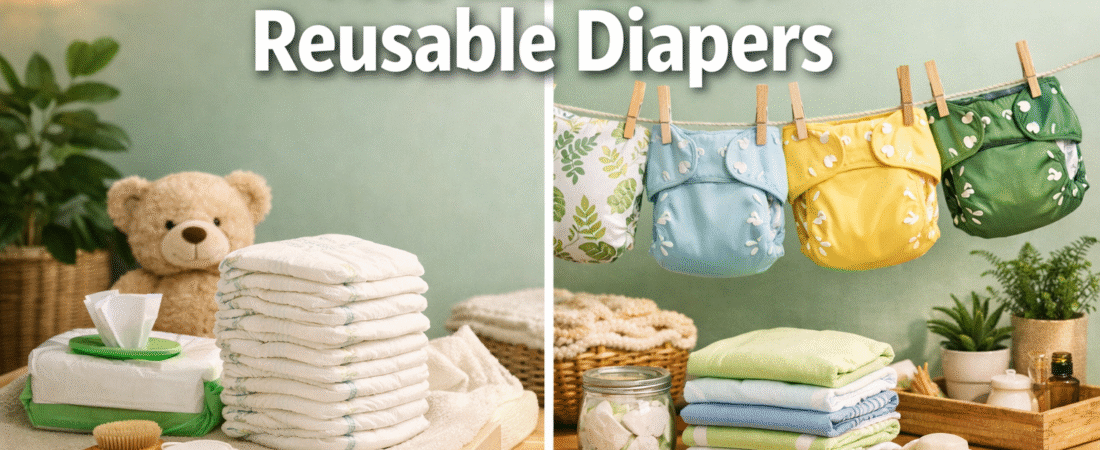
Picture this: Sarah, a new mom, stands in the baby aisle overwhelmed by rows of disposable diapers, calculating the mounting costs in her head. Meanwhile, her friend Emma proudly shows off her colorful collection of cloth diapers, sharing stories of savings and sustainability. Both mothers face the same fundamental question that countless parents grapple with: what’s truly best for their baby, their budget, and the planet? Understanding the pros and cons of reusable diapers has become more crucial than ever as families seek to make informed decisions that align with their values and practical needs. 🍃
The diaper debate isn’t just about convenience anymore—it’s about making choices that impact your family’s health, finances, and environmental footprint for years to come. Whether you’re expecting your first child or reconsidering your current diaper strategy, this comprehensive guide will walk you through every aspect of reusable diapers to help you make the best decision for your unique situation.
Key Takeaways
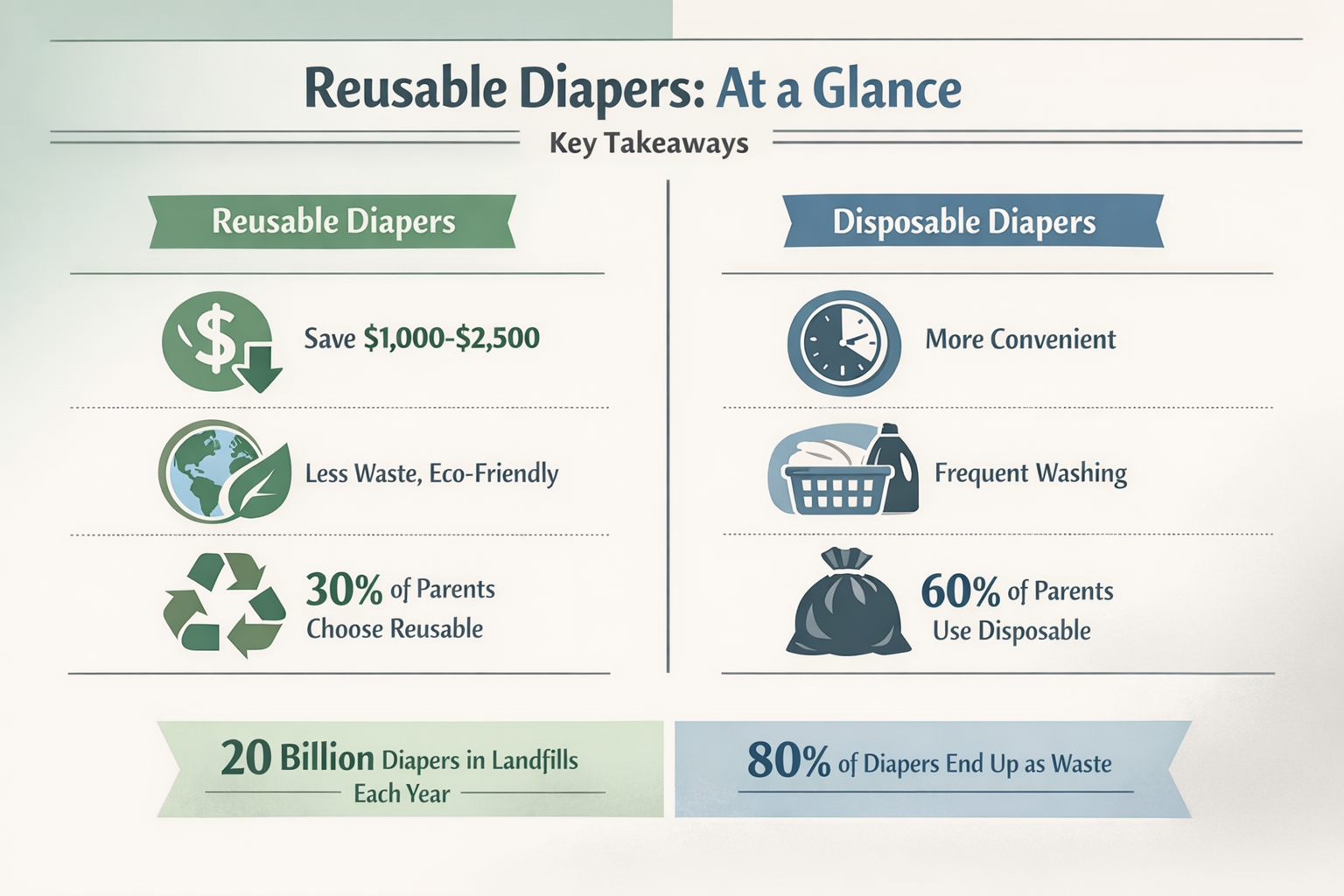
• Cost Savings: Reusable diapers can save families $1,500-$2,000 per child over traditional disposables, with even greater savings for multiple children
• Environmental Impact: Cloth diapers significantly reduce landfill waste and carbon footprint when properly maintained and reused
• Health Benefits: Many parents report fewer diaper rashes and skin sensitivities with quality cloth diapers made from natural materials
• Time Investment: Reusable diapers require more hands-on maintenance including washing, drying, and preparation compared to disposables
• Initial Investment: Higher upfront costs ($200-$800) can be a barrier, though long-term savings typically offset this expense
Understanding Reusable Diapers: A Modern Parent’s Perspective
Gone are the days when cloth diapers meant safety pins and plastic pants. Today’s reusable diapers represent a revolution in baby care technology, combining traditional sustainability with modern convenience. These aren’t your grandmother’s cloth diapers—they’re sophisticated systems designed for busy parents who want the best of both worlds.
Modern reusable diapers come in various styles, from all-in-one systems that work much like disposables to pocket diapers with removable inserts for customizable absorbency. The materials have evolved too, featuring moisture-wicking fabrics, antimicrobial treatments, and designs that rival disposables in both function and aesthetics.
The decision to explore reusable diapers often stems from multiple motivations. Some parents are drawn by environmental concerns, others by potential cost savings, and many by the desire to avoid chemicals found in disposable diapers. Understanding these motivations helps frame the broader conversation about what makes reusable diapers appealing to modern families.
What makes this choice particularly relevant in 2025 is the growing awareness of environmental responsibility combined with economic pressures many families face. The pros and cons of reusable diapers aren’t just theoretical—they’re practical considerations that affect daily life, monthly budgets, and long-term family planning.
The Major Advantages of Choosing Reusable Diapers
Financial Benefits That Add Up Over Time
The most compelling argument for many families centers on the dramatic cost savings. Consider this: the average baby uses approximately 6,000 diapers before potty training. At roughly $0.35-$0.50 per disposable diaper, families spend between $2,100-$3,000 per child on diapers alone.
In contrast, a complete cloth diaper system typically costs $200-$800 upfront, depending on the brand and quantity purchased. Even factoring in washing costs (detergent, water, and electricity), most families save $1,500-$2,000 per child. For families planning multiple children, these savings multiply significantly since quality cloth diapers can last through several children with proper care.
Real-world example: Maria, mother of three, invested $600 in cloth diapers for her first child in 2020. By using the same diapers for all three children, she estimates saving over $6,000 compared to disposables—enough to fund a family vacation or contribute substantially to college savings.
The financial benefits extend beyond the immediate savings. Many parents find they can sell their cloth diaper collections for 40-60% of the original price when their diaper days are over, creating additional value recovery that’s impossible with disposables.
Environmental Impact and Sustainability
The environmental advantages of reusable diapers are substantial and measurable. Disposable diapers contribute approximately 3.5 million tons of waste to landfills annually in the United States alone. Each disposable diaper takes an estimated 200-500 years to decompose, creating a lasting environmental legacy.
Cloth diapers, when used properly, can reduce a family’s diaper-related waste by over 95%. The environmental benefits include:
- Reduced landfill waste: One set of cloth diapers replaces thousands of disposables
- Lower carbon footprint: Despite washing requirements, cloth diapers typically have a smaller overall carbon footprint
- Decreased resource consumption: Less ongoing manufacturing and packaging materials
- Chemical reduction: Fewer synthetic materials and chemicals entering the environment
However, it’s important to note that the environmental benefits depend on washing practices. Using energy-efficient machines, line drying when possible, and washing full loads maximizes the environmental advantages.
Health and Comfort Considerations
Many parents report significant health benefits when switching to cloth diapers. The natural, breathable materials used in quality reusable diapers can reduce the incidence of diaper rash and skin irritation. Unlike disposables, which contain superabsorbent polymers and various chemicals, cloth diapers made from organic cotton, bamboo, or hemp provide a more natural environment for baby’s sensitive skin.
Key health benefits include:
- Reduced exposure to chemicals and fragrances
- Better air circulation around the diaper area
- Fewer allergic reactions and skin sensitivities
- More frequent changing (leading to better hygiene)
Parents dealing with cloth diaper rash often find that switching to natural fiber diapers and establishing proper washing routines resolves skin issues that persisted with disposables.
The comfort factor shouldn’t be overlooked either. Many cloth diapers are softer and more flexible than their disposable counterparts, allowing for better movement and comfort as babies become more active.
Customization and Versatility
One often-overlooked advantage of reusable diapers is the ability to customize absorbency and fit for individual needs. Parents can adjust insert combinations for heavy wetters, overnight protection, or different activities. This level of customization is impossible with disposables, which come in standard absorbency levels.
The versatility extends to sizing as well. Many cloth diaper systems use adjustable snaps or velcro to grow with the baby, potentially lasting from birth to potty training. This adaptability means fewer size transitions and better value over time.
The Challenges and Drawbacks of Reusable Diapers
Time and Convenience Factors
The most significant drawback cited by parents considering cloth diapers is the time investment required. Unlike disposables that can be thrown away, cloth diapers require a systematic approach to washing, drying, and preparation. This process typically involves:
- Pre-rinsing soiled diapers (adding 2-3 minutes per change)
- Washing every 2-3 days (30 minutes of active time including loading, unloading, and folding)
- Drying time (either hanging or machine drying, adding several hours to the process)
- Stuffing pocket diapers or preparing inserts for the next use
For busy parents, especially those with multiple children or demanding work schedules, this additional time commitment can feel overwhelming. The convenience of grab-and-go disposables becomes particularly appealing during stressful periods, travel, or when dealing with childcare providers unfamiliar with cloth diapers.
Real parent perspective: “I loved the idea of cloth diapers, but between working full-time and managing two toddlers, the extra laundry became a source of stress rather than satisfaction,” shares Jennifer, a working mother who eventually switched to a hybrid approach using cloth at home and disposables for daycare.
Initial Investment and Setup Costs
The upfront cost of establishing a cloth diaper system can be prohibitive for many families. A complete newborn-to-toddler system from premium brands can cost $600-$800, representing a significant initial investment that many families struggle to make, especially when already facing the numerous expenses associated with a new baby.
Cost breakdown for a typical cloth diaper setup:
- 20-24 diapers: $400-$600
- Inserts and boosters: $50-$100
- Wet bags and storage: $30-$50
- Special detergent and accessories: $30-$50
- Total initial investment: $510-$800
This contrasts sharply with disposables, where families can start with a $30-$40 monthly expense that feels more manageable despite being more expensive long-term. The psychological barrier of the large upfront payment prevents many families from ever trying cloth diapers, even when they understand the long-term savings.
Washing and Maintenance Requirements
Proper care of cloth diapers requires learning specific washing techniques that differ significantly from regular laundry. Parents must understand water hardness, detergent types, washing temperatures, and drying methods to maintain diaper performance and hygiene.
Common washing challenges include:
- Detergent buildup leading to reduced absorbency
- Hard water issues causing mineral deposits and odors
- Staining from certain foods or medications
- Ammonia smell from inadequate rinsing or bacterial buildup
These issues can be resolved with proper technique, but they require time, patience, and sometimes trial and error to perfect. Parents dealing with ammonia smell in cloth diapers often need to adjust their entire washing routine, which can be frustrating and time-consuming.
The maintenance extends beyond washing. Cloth diapers require periodic deep cleaning, occasional repairs (replacing elastic or snaps), and careful storage to prevent damage. This ongoing maintenance is foreign to parents accustomed to the simplicity of disposables.
Daycare and Caregiver Challenges
One practical challenge many parents don’t anticipate is resistance from daycare providers or other caregivers. Many childcare facilities have policies against cloth diapers due to health department regulations or staff preferences. This forces parents into hybrid systems or requires finding specialized daycare providers willing to work with cloth diapers.
When caregivers do accept cloth diapers, there’s often a learning curve involved in proper fitting, changing procedures, and storage of soiled diapers. Some caregivers may be reluctant to deal with the additional complexity, potentially affecting the quality of care or creating tension.
Travel and outings also become more complex with cloth diapers. Parents must plan for storing soiled diapers, carrying adequate supplies, and managing washing schedules around trips. While solutions exist, they require more forethought than simply packing a few disposables.
Comprehensive Pros and Cons of Reusable Diapers Comparison
To help parents make informed decisions, here’s a detailed comparison addressing the most important factors:
| Factor | Reusable Diapers | Disposable Diapers |
|---|---|---|
| Initial Cost | High ($200-$800) | Low ($30-$40/month) |
| Long-term Cost | Low (saves $1,500-$2,000) | High ($2,100-$3,000 total) |
| Convenience | Moderate (washing required) | High (throw away) |
| Environmental Impact | Low (reusable, minimal waste) | High (landfill waste) |
| Health/Chemicals | Low chemical exposure | Contains various chemicals |
| Absorbency | Good (customizable) | Excellent (superabsorbent) |
| Overnight Protection | Requires boosting | Excellent |
| Travel Friendliness | Challenging | Very easy |
| Daycare Acceptance | Limited | Universal |
| Learning Curve | Steep | None |
This comparison reveals that the choice between reusable and disposable diapers involves trade-offs rather than a clear winner in all categories. Understanding these trade-offs helps parents align their choice with their priorities and circumstances.
When Reusable Diapers Make the Most Sense
Cloth diapers tend to work best for families who:
- Prioritize environmental sustainability and want to minimize their ecological footprint
- Have time for additional laundry or can incorporate it into existing routines
- Plan to have multiple children and can maximize the cost savings
- Have babies with sensitive skin who react poorly to disposable materials
- Enjoy the customization aspect and don’t mind learning new systems
- Have supportive childcare arrangements that accommodate cloth diapers
When Disposables Might Be the Better Choice
Disposable diapers often work better for families who:
- Have extremely busy schedules with little flexibility for additional tasks
- Travel frequently or have irregular routines
- Use daycare facilities that don’t accept cloth diapers
- Live in apartments with limited laundry access or restrictions
- Have water quality issues that make cloth diaper washing challenging
- Prefer maximum convenience and don’t mind the higher ongoing costs
Making the Decision: Factors to Consider
Lifestyle Assessment
Before committing to either option, parents should honestly assess their lifestyle and priorities. Consider these key questions:
Time and Energy:
- How much time can you realistically dedicate to diaper-related tasks?
- Do you have reliable access to washing machines and adequate drying space?
- Are you comfortable with a steeper learning curve for optimal results?
Financial Priorities:
- Can you manage the higher upfront investment for potential long-term savings?
- How important are immediate cost savings versus convenience?
- Are you planning multiple children who could share the same diaper system?
Environmental Values:
- How important is reducing your family’s environmental impact?
- Are you willing to invest extra effort for sustainability benefits?
- Do you have access to energy-efficient washing and drying options?
Hybrid Approaches and Compromise Solutions
Many modern families find success with hybrid approaches that combine the benefits of both systems. These compromise solutions can include:
Part-time cloth diapering: Using cloth diapers at home and disposables for outings, daycare, or overnight
Situation-based switching: Cloth during easy periods, disposables during illness, travel, or stressful times
Age-based transitions: Starting with disposables for newborn convenience, then switching to cloth as routines stabilize
These hybrid approaches can capture many benefits of cloth diapers while maintaining flexibility for challenging situations. While they may not maximize cost savings or environmental benefits, they often provide a sustainable middle ground for busy families.
Getting Started with Reusable Diapers
For families interested in trying cloth diapers, starting small can reduce risk and allow for gradual learning. Consider these beginner-friendly approaches:
Trial period: Start with 6-8 diapers to test the system before full commitment
Used diaper exploration: Purchase quality used diapers to reduce initial investment
Gradual transition: Slowly replace disposables with cloth as comfort and confidence grow
Community resources: Connect with local cloth diaper groups for support and advice
Many parents find that starting with a comprehensive guide to reusable diapers helps them understand the options and make informed choices about which systems might work best for their family.
Common Concerns and Misconceptions
Addressing Hygiene Worries
One of the most persistent concerns about cloth diapers involves hygiene and cleanliness. Modern washing machines and proper techniques can achieve the same level of cleanliness as any other laundry item. Key points to remember:
- Hot water washing (140°F) effectively kills bacteria and viruses
- Proper detergents break down waste and eliminate odors
- UV sanitization from sun drying provides additional antimicrobial benefits
- Regular maintenance prevents bacterial buildup and ensures optimal performance
Parents concerned about cloth diapers and diaper rash should know that proper washing techniques and frequent changes often result in fewer skin issues than disposables.
Debunking Performance Myths
Several myths persist about cloth diaper performance that don’t reflect modern realities:
Myth: “Cloth diapers always leak more than disposables”
Reality: Properly fitted modern cloth diapers perform comparably to disposables for most situations
Myth: “Cloth diapers are too bulky for modern baby clothes”
Reality: Trim-fitting designs work with most clothing, though some adjustment in sizing may be needed
Myth: “Cloth diapers smell worse than disposables”
Reality: Proper washing eliminates odors; many parents find cloth diapers smell fresher than disposables
Managing Expectations
Success with cloth diapers often depends on setting realistic expectations:
- Learning curve: Expect 2-4 weeks to establish effective routines
- Trial and error: Finding the right combination of diapers, inserts, and washing routine takes time
- Flexibility: Being willing to adjust approaches based on what works for your family
- Support systems: Connecting with experienced cloth diaper users accelerates learning
Understanding that challenges are normal and temporary helps parents persist through the initial adjustment period.
Expert Tips for Success with Reusable Diapers
Washing and Care Best Practices
Successful cloth diaper maintenance relies on understanding proper washing techniques:
Pre-wash routine:
- Rinse heavily soiled diapers immediately
- Store in well-ventilated containers until wash day
- Don’t let diapers sit wet for more than 2-3 days
Main wash process:
- Use appropriate detergent amounts (not too little, not too much)
- Wash in hot water (140°F) for sanitization
- Include adequate agitation with proper load size
- Double-rinse if you have hard water or sensitive skin concerns
Drying strategies:
- Line dry when possible for UV sanitization and energy savings
- Use medium heat in dryer for convenience
- Avoid fabric softeners which can reduce absorbency
For parents dealing with specific issues like compression leaks or nighttime leaking, understanding proper washing and fitting techniques often resolves the problems.
Building an Effective Stash
Creating the right collection of cloth diapers involves balancing quantity, variety, and budget:
Newborn considerations:
- 20-24 diapers for exclusive cloth use
- Mix of sizes to accommodate rapid growth
- Include overnight-specific options
Toddler needs:
- 15-18 diapers typically sufficient
- Focus on trim fit and ease of use
- Consider training pants for transition period
Versatile additions:
- Various insert types for different situations
- Wet bags for storage and travel
- Backup options for washing day emergencies
Travel and On-the-Go Solutions
Successfully using cloth diapers away from home requires planning and the right accessories:
Essential travel gear:
- Multiple wet bags for clean and dirty separation
- Portable changing pad for consistency
- Extra inserts for extended outings
- Backup disposables for emergencies
Strategies for success:
- Pre-stuff pocket diapers before leaving home
- Research washing facilities for extended trips
- Pack conservatively—bring more than you think you’ll need
- Have a plan for storing soiled diapers until washing
Many parents find that investing in quality diaper bags designed for cloth diapers makes outings more manageable and organized.
The Future of Diaper Choices: Trends and Innovations
Technological Advances in Cloth Diapers
The cloth diaper industry continues evolving with new materials and designs that address traditional limitations:
Smart fabrics: New synthetic materials that combine the benefits of natural fibers with enhanced performance
Improved fastening systems: Better snaps and hook-and-loop closures that last longer and fit better
Antimicrobial treatments: Natural treatments that reduce odor and bacterial growth
Customizable systems: Modular designs that allow parents to adjust absorbency and fit precisely
Sustainability Innovations
Environmental consciousness drives continued innovation in sustainable diaper options:
Biodegradable disposables: New disposable options that break down faster in landfills
Hybrid systems: Flushable inserts combined with reusable covers
Rental programs: Diaper services that handle washing and maintenance
Recycling programs: Systems for recycling disposable diaper components
Market Trends and Consumer Preferences
Current trends in 2025 show increasing interest in:
- Transparency: Parents want to know exactly what materials contact their baby’s skin
- Customization: Demand for personalized solutions that fit specific needs
- Convenience: Innovation focused on making cloth diapers easier to use
- Community: Growth in support networks and information sharing among parents
These trends suggest that the future will likely bring more options that blur the lines between traditional cloth and disposable categories.
Real Parent Experiences and Case Studies
Success Story: The Johnson Family
Mark and Lisa Johnson started their cloth diaper journey with their first child in 2022, motivated primarily by environmental concerns. Initially overwhelmed by the options, they started with a small stash of different brands to test what worked best.
“The first month was definitely challenging,” Lisa recalls. “We had some leaks, struggled with our washing routine, and questioned our decision multiple times. But once we found our rhythm, it became second nature.”
Three years later, with two children now using the same cloth diaper stash, the Johnsons estimate they’ve saved over $3,000 compared to disposables. More importantly, they feel good about their environmental impact and plan to pass their diapers to friends when their diaper days end.
Key lessons from their experience:
- Starting small reduces overwhelm and financial risk
- Community support accelerates learning and problem-solving
- Persistence through the initial learning period pays off
- Environmental benefits provide ongoing motivation beyond cost savings
Challenge Story: The Martinez Family
Rosa Martinez tried cloth diapers with her second child but ultimately switched back to disposables after six months. As a single mother working two jobs, the time demands of cloth diaper maintenance became unsustainable.
“I loved the idea and felt guilty about the environmental impact, but I was spending an hour every other day dealing with diaper laundry,” Rosa explains. “Between work and caring for two kids, that time was precious.”
Rosa’s experience highlights that cloth diapers aren’t right for every family situation, and that’s okay. She found peace with her decision by choosing eco-friendly disposable brands and focusing her environmental efforts in other areas.
Important insights:
- Individual circumstances matter more than idealistic goals
- Time constraints are real and valid considerations
- Switching back doesn’t represent failure—it represents responsive parenting
- Environmental consciousness can be expressed in many ways
Hybrid Success: The Chen Family
David and Amy Chen developed a hybrid system that works perfectly for their lifestyle. They use cloth diapers at home during the week and disposables for daycare, weekends, and travel.
“We get about 60% of the environmental and cost benefits with maybe 30% of the hassle,” David notes. “It’s not perfect from a purist perspective, but it’s sustainable for our family long-term.”
Their approach demonstrates that compromise solutions can capture many benefits while maintaining flexibility for challenging situations.
Making Your Decision: A Practical Framework
Step-by-Step Decision Process
To help parents navigate the pros and cons of reusable diapers, here’s a structured approach to decision-making:
Step 1: Assess Your Priorities
- Rank importance of cost savings, environmental impact, convenience, and health factors
- Consider your family’s long-term plans and circumstances
- Evaluate your tolerance for learning curves and additional tasks
Step 2: Calculate Your Specific Costs
- Use realistic numbers for your situation (number of children, local costs, etc.)
- Factor in your time value when considering convenience trade-offs
- Consider both monetary and non-monetary costs
Step 3: Evaluate Your Support System
- Assess daycare and caregiver flexibility
- Consider partner buy-in and shared responsibility
- Identify community resources and support networks
Step 4: Consider a Trial Period
- Start small with a limited investment
- Test different systems to find what works
- Give yourself permission to adjust or change course
Step 5: Make an Informed Decision
- Choose based on your specific circumstances, not general advice
- Plan for flexibility as your situation evolves
- Remember that you can always reassess and adjust
Questions to Ask Yourself
Before making your final decision, consider these important questions:
- Can I realistically commit to the additional time and effort required?
- Do my childcare arrangements support my diaper choice?
- How important are the long-term savings compared to immediate convenience?
- Am I prepared for a learning curve and potential initial frustrations?
- Does my living situation support the washing and drying requirements?
- How does my partner feel about this choice, and are we aligned?
Honest answers to these questions will guide you toward the choice that best fits your family’s reality.
Conclusion: Finding What Works for Your Family
The decision between reusable and disposable diapers isn’t about finding the “right” answer—it’s about finding the right answer for your unique family situation. The pros and cons of reusable diapers create a complex decision matrix where environmental benefits, cost savings, and health advantages must be weighed against convenience factors, time investments, and lifestyle compatibility.
For families with the time, resources, and motivation to overcome the initial learning curve, cloth diapers can provide substantial benefits that extend far beyond diaper changes. The environmental impact reduction, significant cost savings, and potential health benefits make them an attractive choice for many parents committed to sustainable living.
However, families facing time constraints, challenging childcare situations, or other life pressures shouldn’t feel guilty about choosing disposables. The most important factor is making a decision that supports your family’s overall well-being and allows you to be the best parent you can be.
Remember that this choice isn’t permanent or all-or-nothing. Many families find success with hybrid approaches, seasonal adjustments, or transitions between systems as circumstances change. The key is staying flexible and responsive to your family’s evolving needs.
Your Next Steps
If you’re leaning toward trying reusable diapers:
- Start small with a trial quantity to test the waters
- Connect with local cloth diaper communities for support and advice
- Research specific brands and systems that fit your budget and preferences
- Prepare for a learning period and give yourself time to establish routines
- Consider visiting our comprehensive diaper resources for detailed guides and reviews
If disposables seem like the better choice for now:
- Consider eco-friendly disposable options to minimize environmental impact
- Keep an open mind about revisiting cloth diapers as circumstances change
- Focus your environmental efforts in other areas that better fit your lifestyle
- Don’t let guilt overshadow the importance of choosing what works for your family
Whatever you decide, remember that you’re making this choice from a place of love and consideration for your child’s well-being. Trust your instincts, stay flexible, and know that good parents can make different choices and still raise happy, healthy children.
The journey of parenthood is filled with decisions that seem monumentally important in the moment. While diaper choice does have real impacts on your budget, environment, and daily routine, it’s just one of many decisions you’ll make as a parent. Choose with confidence, adjust as needed, and focus on what matters most: loving and caring for your little one. 💚