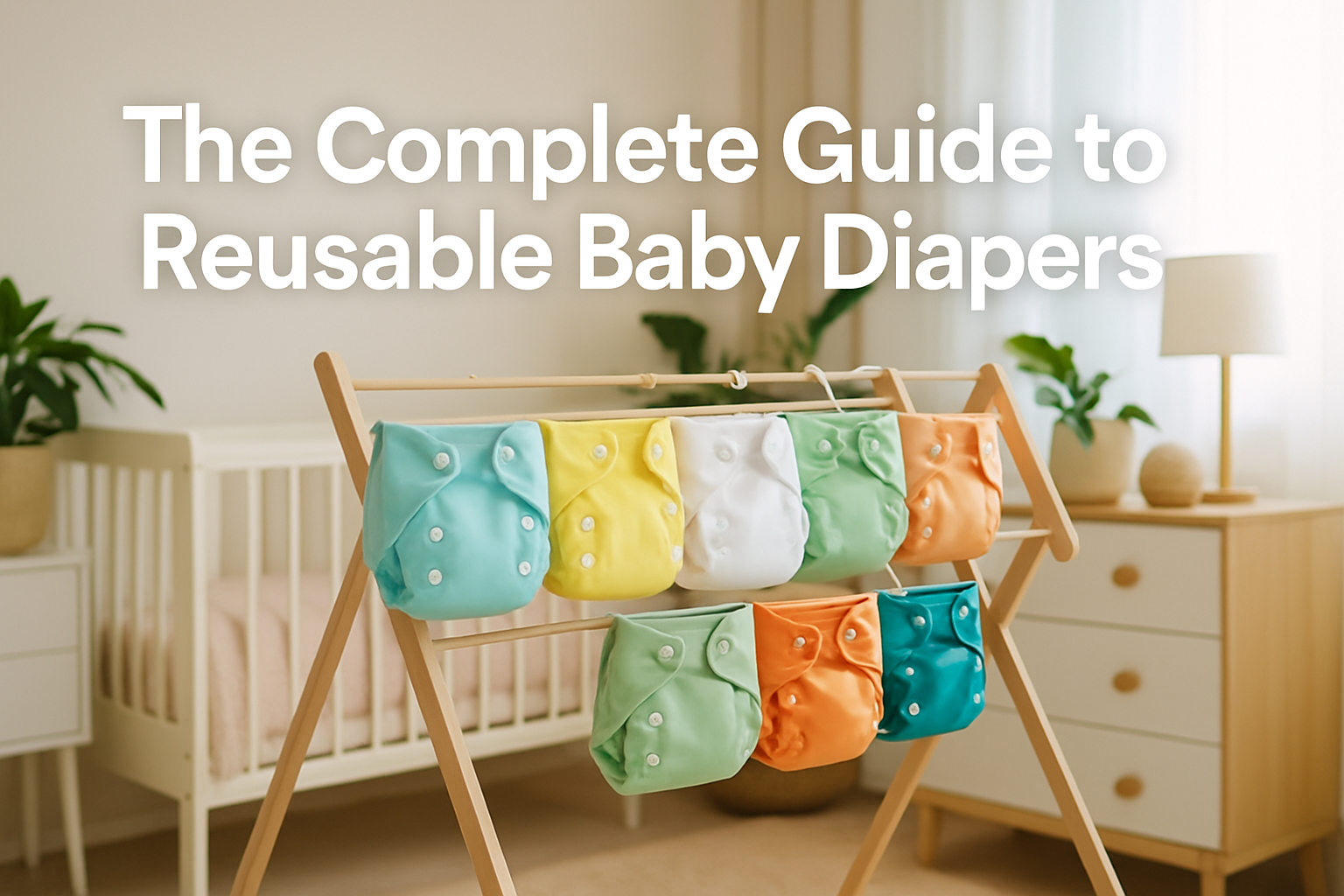
Picture this: a parent spending over $2,500 on disposable diapers for just one child, while creating mountains of waste that will sit in landfills for centuries. Now imagine cutting that cost by 70% while protecting the environment and keeping harsh chemicals away from your baby’s delicate skin. Reusable baby diapers offer exactly this solution, transforming the way modern families approach diapering with sustainable, cost-effective alternatives that don’t compromise on performance.
The world of cloth diapering has evolved dramatically from the safety pins and plastic pants of previous generations. Today’s reusable baby diapers feature innovative designs, advanced materials, and user-friendly systems that rival disposables in convenience while surpassing them in environmental impact and long-term value.
Key Takeaways
• Significant Cost Savings: Reusable baby diapers can save families $1,500-$2,000 per child compared to disposables • Environmental Impact: One child using cloth diapers prevents approximately 2,000 pounds of diaper waste from entering landfills • Health Benefits: Modern cloth diapers contain no harsh chemicals, reducing the risk of diaper rash and skin sensitivities • Convenience Factor: Today’s reusable systems are nearly as convenient as disposables with proper setup and routine • Resale Value: Quality cloth diapers retain 50-70% of their value and can be used for multiple children
Understanding Reusable Baby Diapers: Types and Systems
All-in-One (AIO) Diapers
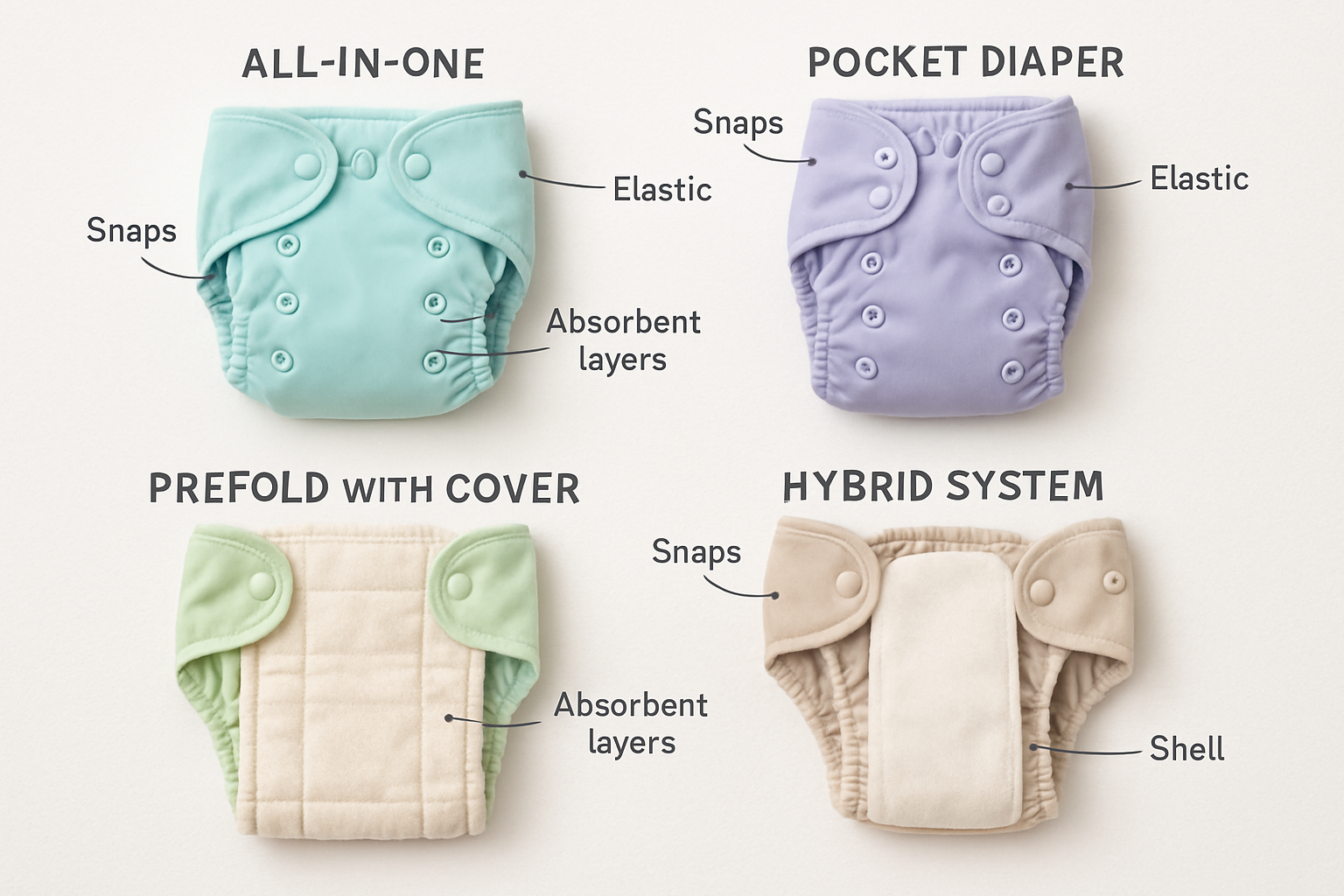
All-in-one diapers represent the most convenient option in the reusable baby diapers category. These systems combine the absorbent layer and waterproof cover into a single unit, making them as easy to use as disposables. Simply put them on, take them off when soiled, and toss them in the diaper pail.
Pros:
- Easiest for caregivers and daycare providers
- No assembly required
- Most similar to disposable experience
Cons:
- Longest drying time
- Higher upfront cost per diaper
- Less customizable absorbency
All-in-Two (AI2) and Hybrid Systems
All-in-two systems feature a reusable waterproof shell with removable absorbent inserts. This design allows parents to reuse the outer cover multiple times while changing only the soiled insert, reducing laundry loads and extending diaper life.
The hybrid approach offers ultimate flexibility, allowing families to use cloth inserts at home and biodegradable disposable inserts when out and about. This system appeals to parents who want the benefits of reusable baby diapers without completely abandoning the convenience of disposables.
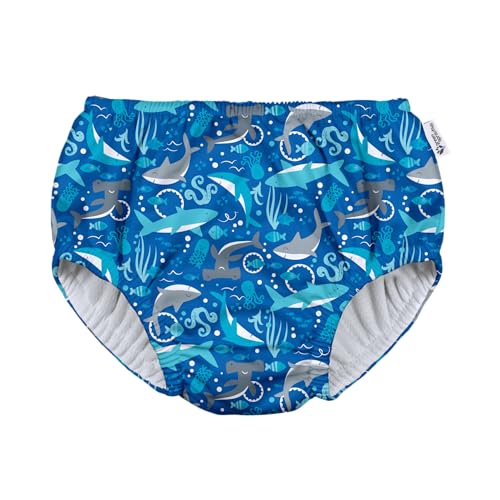
- TRIM, LIGHTWEIGHT, AND COMFORTABLE SWIM DIAPER ENCOURAGES SWIMMING—Baby will move freely during swim lessons without fee…
- PATENTED DESIGN IS BREATHABLE, ABSORBENT, AND WATERPROOF—As the original swim diaper manufacturer, our patented triple-l…
- NO OTHER DIAPER NECESSARY! ECONOMICAL AND CREATES LESS WASTE—Save money and reduce waste with our machine-washable, reus…

- 100%polyester
- Imported
- Superior Absorbency: Our CoolaPeach cloth diapers are equipped with 6 high-quality microfiber inserts, ensuring maximum …

- Complete Cloth Diapering Set: Includes 4 adjustable pocket cloth diapers and 4 viscose with microfiber inside absorbent …
- Adjustable Fit for Growing Babies: Designed to fit babies from 10 lbs to 35 lbs with adjustable snap settings, ensuring …
- Easy to Clean: Diapers are Machine Washable and quick drying with separated inserts, our cloth diapers can be included w…
Pocket Diapers
Pocket diapers consist of a waterproof outer shell with a stay-dry inner lining that creates a pocket for stuffing absorbent inserts. This system offers excellent customization options, allowing parents to adjust absorbency based on their baby’s needs and the time of day.
Key Benefits:
- Customizable absorbency 💪
- Fast drying time (components dry separately)
- Trim fit under clothing
- Cost-effective option
Prefolds and Covers
The most traditional and economical option, prefolds are rectangular cloth pieces that fold around the baby and secure with snaps or pins, then covered with a waterproof cover. While requiring more technique, this system offers the lowest cost per diaper and maximum durability.
Modern prefolds eliminate the need for safety pins through innovative folding techniques and snappi fasteners, making them safer and easier to use than their predecessors.
The Financial Benefits of Choosing Reusable Baby Diapers
Initial Investment vs. Long-term Savings
The upfront cost of reusable baby diapers can seem daunting, typically ranging from $200 to $800 for a complete stash. However, this investment pays for itself within 6-8 months when compared to the ongoing expense of disposables.
| Diaper Type | Initial Cost | Monthly Cost | 2.5 Year Total |
|---|---|---|---|
| Disposables | $0 | $80-100 | $2,400-3,000 |
| Cloth (Budget) | $200-300 | $15-25 | $650-900 |
| Cloth (Premium) | $500-800 | $15-25 | $950-1,200 |
Additional Financial Advantages
Resale Value: Quality reusable baby diapers maintain excellent resale value, often selling for 50-70% of their original price. Popular brands like Bumgenius, Thirsties, and others hold their value exceptionally well in the secondhand market.
Multi-child Use: Unlike disposables, cloth diapers can diaper multiple children. Families with two children using the same stash can reduce their per-child diaper cost to under $400.
Reduced Medical Costs: Many parents report fewer instances of diaper rash and skin irritation with cloth diapers, potentially reducing pediatric visits and medication costs.
For more detailed information about choosing the right diaper system for your family, explore our comprehensive guide to reusable diapers.
Environmental Impact: Why Reusable Baby Diapers Matter
Waste Reduction Statistics
The environmental case for reusable baby diapers is compelling. Consider these staggering facts:
- 20 billion disposable diapers enter U.S. landfills annually
- A single child using disposables generates 2,000+ pounds of diaper waste
- Disposable diapers take 200-500 years to decompose
- Manufacturing disposables requires 20 times more raw materials than cloth
Water Usage Considerations
Critics often cite water usage as a concern with cloth diapers. However, modern washing machines and efficient wash routines minimize water consumption. Studies show that the total water used to manufacture and wash cloth diapers over their lifetime is comparable to the water required to manufacture disposables.
Water-saving tips for cloth diaper washing:
- Use high-efficiency washing machines
- Wash full loads only
- Skip unnecessary rinse cycles
- Air dry when possible
Chemical Exposure Reduction
Disposable diapers contain numerous chemicals that can irritate sensitive baby skin:
- Sodium polyacrylate (super absorbent polymer)
- Dioxins (bleaching byproducts)
- Volatile organic compounds (VOCs)
- Fragrances and dyes
Reusable baby diapers made from natural fibers like cotton, hemp, and bamboo eliminate exposure to these potentially harmful substances, creating a healthier environment for developing skin.
Addressing Common Concerns About Reusable Baby Diapers
“They’re Too Much Work”
Modern cloth diapering is far more convenient than many parents expect. With proper setup and routine, the time difference between cloth and disposables is minimal:
Time-saving strategies:
- Pre-stuff pocket diapers during folding
- Use diaper liners for easy cleanup
- Establish efficient washing routines
- Keep backup stashes in multiple locations
“They Leak More Than Disposables”
Properly fitted reusable baby diapers perform comparably to disposables when it comes to leak prevention. Most leak issues stem from:
- Improper fit around legs and waist
- Insufficient absorbency for baby’s output
- Compression leaks from tight clothing
- Worn-out elastic needing replacement
Understanding how to prevent compression leaks can significantly improve performance.
“Daycare Won’t Use Them”
While some daycare centers resist cloth diapers, many are willing to accommodate families who use modern, user-friendly systems. All-in-one diapers and pre-stuffed pocket diapers are particularly daycare-friendly options.
Tips for daycare success:
- Choose simple, intuitive diaper systems
- Provide clear instructions and demonstrations
- Supply wet bags for soiled diapers
- Offer to do a trial period
Health Benefits of Reusable Baby Diapers
Reduced Diaper Rash Incidents
Many parents report significantly fewer diaper rashes after switching to cloth. Natural fibers allow better air circulation, while the absence of chemicals reduces skin irritation. The slightly increased awareness of wetness can also lead to more frequent changes, keeping baby’s skin drier.
For parents dealing with persistent diaper rash issues, our guide on cloth diaper rash causes and solutions provides targeted strategies.
Better for Sensitive Skin
Babies with eczema, allergies, or sensitive skin often thrive in cloth diapers. The natural materials are gentler and less likely to trigger reactions. Parents can also control exactly what touches their baby’s skin by choosing organic fabrics and avoiding fabric softeners or harsh detergents.
Potential Developmental Benefits
Some research suggests that the slight bulk of cloth diapers may support healthy hip development, though this remains an area of ongoing study. The natural feeling of wetness may also support earlier potty training, as children become more aware of their bodily functions.
Choosing the Right Reusable Baby Diapers for Your Family
Assessing Your Lifestyle Needs
Before investing in a cloth diaper stash, consider these factors:
Living situation:
- Access to washing machine and dryer
- Available drying space for air-drying
- Water quality (hard water may require special detergents)
Childcare arrangements:
- Daycare policies on cloth diapers
- Caregiver comfort level with different systems
- Need for travel-friendly options
Budget considerations:
- Available upfront investment
- Preference for gradual stash building
- Interest in secondhand options
Building Your Stash
Most families need 20-25 diapers for newborns and 15-20 for older babies, depending on washing frequency. A strategic approach to stash building includes:
Newborn stage (0-3 months):
- Start with 6-8 diapers to test preferences
- Focus on adjustable, trim-fitting options
- Consider newborn-specific sizes vs. one-size systems
Established routine (3+ months):
- Build to full stash based on successful trial diapers
- Add overnight solutions for heavy wetters
- Incorporate variety for different situations
Popular Brands and Options
The reusable baby diapers market offers numerous high-quality options:
Budget-friendly choices:
- Alva Baby
- Mama Koala
- Nora’s Nursery
Premium options:
- Bumgenius
- Thirsties
- GroVia
Luxury brands:
- Esembly (check out our detailed Esembly review)
- Honest Diapers
- Charlie Banana
Washing and Care Instructions for Reusable Baby Diapers
Establishing an Effective Wash Routine
Success with cloth diapers depends heavily on proper washing techniques. A good wash routine removes soil and bacteria while preserving diaper integrity.
Basic wash routine:
- Pre-wash: Cold water, small amount of detergent
- Main wash: Hot water (104-140°F), full detergent amount
- Extra rinse: If needed to remove detergent residue
- Drying: Line dry covers, tumble dry inserts on medium heat
Detergent Selection
Choose detergents free from fabric softeners, optical brighteners, and excessive fragrances. Recommended options include:
- Tide Original Powder (most popular choice)
- Persil ProClean
- All Free & Clear
- Rockin’ Green (cloth diaper specific)
Troubleshooting Common Issues
Ammonia smell: Usually indicates insufficient detergent or infrequent washing. Increase detergent amount and wash every 2-3 days maximum. Our guide on eliminating ammonia smell offers detailed solutions.
Repelling (leaks despite absorbency): Often caused by detergent buildup or fabric softener residue. Strip diapers using original blue Dawn dish soap, then restart with proper wash routine.