Nighttime leaks are among the most common frustrations for cloth diapering parents. You put your baby to bed in a fully stuffed diaper only to wake up to wet sheets and pajamas. Thankfully, most overnight leaks are solvable with a few adjustments to fit and absorbency.
Common Causes of Night time Leaks
Most nighttime leaks happen because the diaper cannot handle the volume of urine during long sleep stretches. Microfiber inserts may compress and release liquid under baby’s weight, especially in car seats or when lying on their back. Improper fit, such as gaps at the legs or belly, also allows moisture to escape. Some babies urinate heavily during growth spurts or after cluster feeding, overwhelming regular inserts.
Choosing the Right Absorbency
Switching to natural fiber inserts—such as hemp or bamboo—improves overnight performance. Hemp absorbs slowly but holds a lot of liquid, making it perfect under a faster-absorbing bamboo or cotton layer. Use a combination of inserts in a pocket diaper or opt for fitted diapers with a wool or PUL cover. Fitted diapers provide absorbency throughout the diaper rather than just in a pocket; they pair well with heavy wetters.
Ensuring a Proper Fit
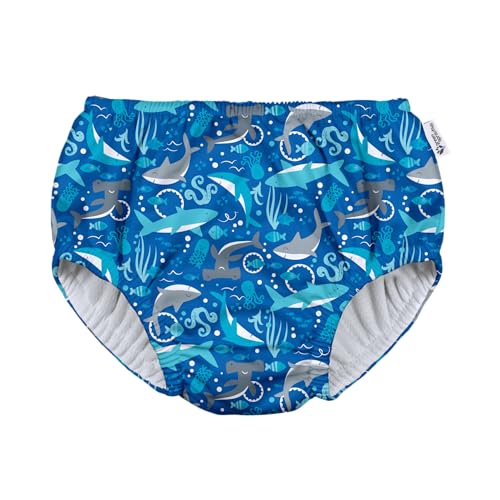
- TRIM, LIGHTWEIGHT, AND COMFORTABLE SWIM DIAPER ENCOURAGES SWIMMING—Baby will move freely during swim lessons without fee…
- PATENTED DESIGN IS BREATHABLE, ABSORBENT, AND WATERPROOF—As the original swim diaper manufacturer, our patented triple-l…
- NO OTHER DIAPER NECESSARY! ECONOMICAL AND CREATES LESS WASTE—Save money and reduce waste with our machine-washable, reus…

- 100%polyester
- Imported
- Superior Absorbency: Our CoolaPeach cloth diapers are equipped with 6 high-quality microfiber inserts, ensuring maximum …

- Complete Cloth Diapering Set: Includes 4 adjustable pocket cloth diapers and 4 viscose with microfiber inside absorbent …
- Adjustable Fit for Growing Babies: Designed to fit babies from 10 lbs to 35 lbs with adjustable snap settings, ensuring …
- Easy to Clean: Diapers are Machine Washable and quick drying with separated inserts, our cloth diapers can be included w…
A snug fit around the legs and waist prevents gaps where urine could escape. Adjust the rise snaps on one‑size diapers so the elastic sits in the crease of the thigh. Make sure the waist is snug enough to slide two fingers under the waistband. Check the insert’s placement: it should lie flat with no bunching. For heavy wetters, consider adding a booster folded at the front for boys or evenly across for girls.
Other Tips for Heavy Wetters
Change baby right before bedtime and limit liquids during the hour before sleep if possible. Using a wool cover over a fitted diaper adds extra leak protection because wool can absorb up to 30% of its weight in moisture. Some parents find success with nighttime disposables combined with cloth boosters when traveling or during growth spurts.
FAQs Do I need special overnight cloth diapers? Not necessarily. You can often convert your existing pocket diapers into overnight solutions by using a combination of hemp, bamboo, and microfiber inserts. However, fitted diapers paired with wool covers are popular because they spread absorbency throughout the diaper and minimise leaks.
How tight should the diaper be at night? The diaper should be snug around the legs and waist, but not so tight that it leaves deep red marks. A proper fit prevents gaps while allowing your baby to move comfortably.
Can I use a diaper cream with cloth diapers overnight? If your baby is prone to rashes from prolonged wetness, you can use cloth‑safe creams like those containing zinc oxide, beeswax or natural oils. Avoid petroleum‑based products that coat the fabric and reduce absorbency.
For a comprehensive understanding of cloth diapering, check out our Ultimate Guide to Cloth Diapers.